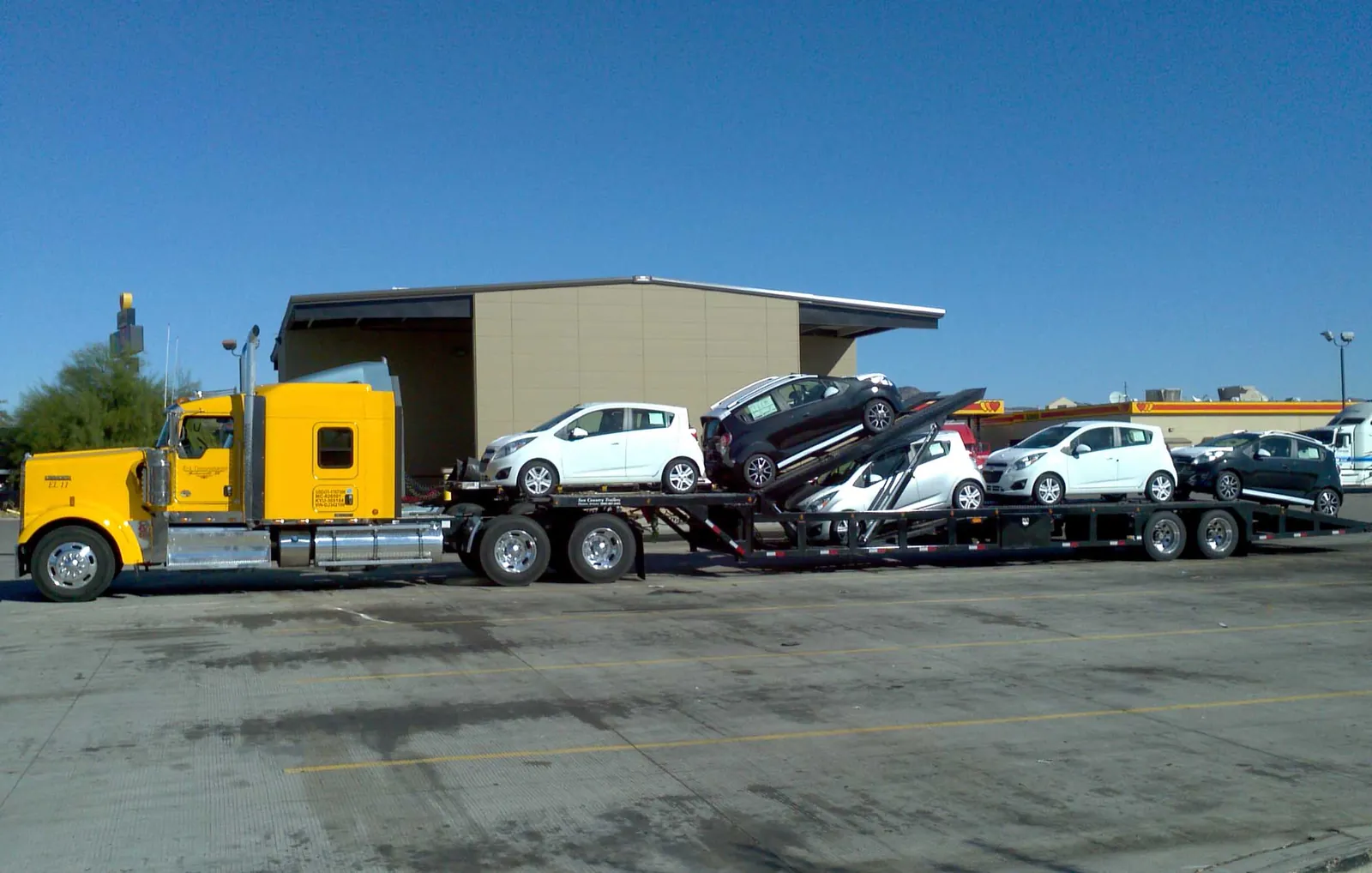
Virginia to Florida Auto Transport
Reliable, insured, door-to-door car shipping from Virginia to Florida. About 3–5 days in transit once loaded, plus a 2–5 business day pickup window.
Neptune Auto Transport arranges door-to-door car shipping from Virginia to Florida year-round, for seasonal residents, retirees, military families and anyone else heading south. The lane runs down Interstate 95 from the Richmond, Northern Virginia and Hampton Roads areas to Florida's major metros, with your vehicle traveling under the assigned carrier's cargo insurance from pickup to delivery. Request a free, route-specific quote for the exact price and timing on your move.
The Virginia to Florida route at a glance
Virginia to Florida is roughly 940 miles by road, though your actual distance depends on your exact origin and destination: Richmond to Orlando runs about 780 miles, Norfolk to Miami about 950, and Northern Virginia to Tampa around 900. Most of the drive is a single corridor, Interstate 95 south through North Carolina, South Carolina and Georgia into Florida, with no mountain passes and no seasonal road closures to plan around. What varies on this lane is carrier demand, not the difficulty of the drive.
Why people ship cars from Virginia to Florida
- Seasonal relocation. If you spend the winter in Florida, we ship the car down on your dates, and our Florida to Virginia page covers the trip home.
- Military PCS moves. Virginia has a large military presence, including Naval Station Norfolk and Naval Air Station Oceana in Hampton Roads, and Florida has bases of its own. Permanent change of station orders on this lane run year-round rather than on a seasonal schedule, and Neptune applies a military discount to PCS shipments.
- Relocation for work. Steady movement between the Washington, D.C. suburbs' federal job market and Florida's growing metro areas.
- Purchased vehicles. Florida has a large used and collector vehicle market, and Virginia buyers ship from it regularly.
- Second homes. Vehicles moved seasonally between a primary residence in Virginia and a winter property in Florida, through our snowbird auto transport service.
Picking up in Virginia
Where in Virginia you're starting from changes how straightforward pickup is. Northern Virginia, in and around Arlington and Alexandria, has the federal government's steady flow of relocations, but it also has the tightest access: permit parking, garage height limits and the George Washington Memorial Parkway's ban on commercial vehicles mean a full-size carrier often meets you at a nearby spot rather than your exact driveway. Starting on the Maryland side of the Washington suburbs? Our Maryland to Florida guide covers that move. Richmond, roughly in the middle of the state and directly on I-95, is generally the easiest Virginia pickup point. Hampton Roads, home to Naval Station Norfolk and Naval Air Station Oceana, adds its own routing: carriers branch off I-95 onto I-64 east to reach Norfolk, Virginia Beach, Chesapeake and the Peninsula, and the harbor bridge-tunnels shape when a driver can realistically get there. Suburban and rural Virginia addresses away from these corridors are served too, just with a little more lead time to schedule.
Delivering in Florida
Florida's major metros, Miami and South Florida, Orlando, Tampa and Jacksonville, are all served, and each has a different delivery character. Jacksonville is the first major Florida city on I-95 coming south. Orlando sits inland off I-4 and is a common destination for both relocations and seasonal residents. Tampa, on the Gulf side, adds a short detour west. In South Florida, and in snowbird areas across the state, gated or age-restricted communities are common; there the driver coordinates delivery at the gate or a nearby lot rather than driving a full-size carrier down interior streets. During hurricane season, roughly June through November, a storm can pause deliveries in the affected part of the state for a day or two while carriers wait for roads to reopen; your specialist will let you know if that affects your shipment and reschedule at no extra cost.
How the route is typically planned
The standard routing is Interstate 95 the whole way south. East Coast carriers run that corridor constantly, so we can often match your vehicle to a carrier already heading that way. The exact path a driver takes still depends on where your vehicle sits in that truck's delivery order, current road conditions and carrier operations on the day, so we don't promise a single fixed routing, only that it's a straightforward, well-traveled corridor without the mountain or weather complications some other lanes have.
Seasonal factors on this lane
Timing advice for this lane usually describes a fall rush south as snowbirds head to Florida. Our own dispatch records for Virginia to Florida, pickups from June 2022 to March 2026, do not show one: September to December held 18% of pickups, against 29% across all interstate lanes, and October and November 10%, against 15%. Book once your dates are set and give your specialist a pickup window of a few days. These figures count pickups, not prices.
Atlantic hurricane season runs roughly June through November and can affect Florida delivery scheduling if a storm is approaching or has just passed through your delivery area; carriers reroute or wait it out rather than deliver into unsafe conditions, and we'll keep you updated if it touches your shipment.
What affects the cost of shipping from Virginia to Florida
- Where exactly you're starting and ending. Northern Virginia to Jacksonville is a shorter, simpler move than Hampton Roads to Miami.
- Your dates. A pickup window of a few days, rather than a single day, makes your car easier to fit into a load. For how timing can affect the price, see our guide to the best time of year to ship a car.
- Vehicle size and condition. A full-size SUV or truck takes more deck space than a sedan, and a non-running vehicle needs a carrier with a winch.
- Open versus enclosed transport. Enclosed costs more, because the trailer carries fewer vehicles and the equipment is scarcer.
- Delivery access. A Richmond driveway is simple; a gated Miami community or a Northern Virginia building with permit parking may need a nearby meeting point instead.
We don't publish flat rates, because the honest number depends on all of the above. Request a free, all-inclusive quote for your exact shipment.
How long does the Virginia to Florida route take?
Two separate figures decide when your car arrives. Once it is loaded, budget roughly 3–5 days in transit: a driver covers about 400 miles on a typical day, because federal hours-of-service rules cap driving time and a loaded carrier is slower than a car, so a lane in the 780 to 950-mile range works out to roughly that window, with the balance covering the other vehicles on the truck and their delivery order. Before any of that, a standard pickup window of 2–5 business days runs from booking to collection.
Your delivery date is the pickup date plus the transit days, which is why we quote the two separately. The transit clock starts when the car is loaded, not when you book, so a collection at the later end of its window, or late in the day, moves the arrival with it. Weather, especially during hurricane season, and where your vehicle sits in the truck's drop order can shift it further, so we give a delivery window rather than a fixed date. If your dates are firm, ask about expedited service to tighten the pickup end.
Open or enclosed transport for this route
Most vehicles on this lane travel on affordable open carriers, and it's a sound choice for an everyday car. Enclosed transport is worth pricing for a collector, exotic or freshly restored vehicle, and availability is good here: the I-95 corridor carries a lot of enclosed traffic, and Florida's active collector car market keeps enclosed operators working this route regularly. Either way, your vehicle travels under the assigned carrier's cargo insurance, verified before loading.
Door-to-door pickup and delivery
Door-to-door means the carrier gets as close to your address as it can safely and legally manage, on both ends. That's straightforward at most Virginia and Florida addresses. Where it isn't, narrow streets, low overhangs, permit parking, a gated or age-restricted community, or a local ordinance that keeps large trucks off certain roads, the driver arranges a nearby meeting point instead, at no extra charge. This is common in Northern Virginia and in Florida's gated snowbird communities, and your specialist will flag it in advance where we can.
Nationwide transport for every kind of vehicle
Whatever you drive and wherever it needs to go, Neptune has a shipping solution built for it. Explore our most-requested services.
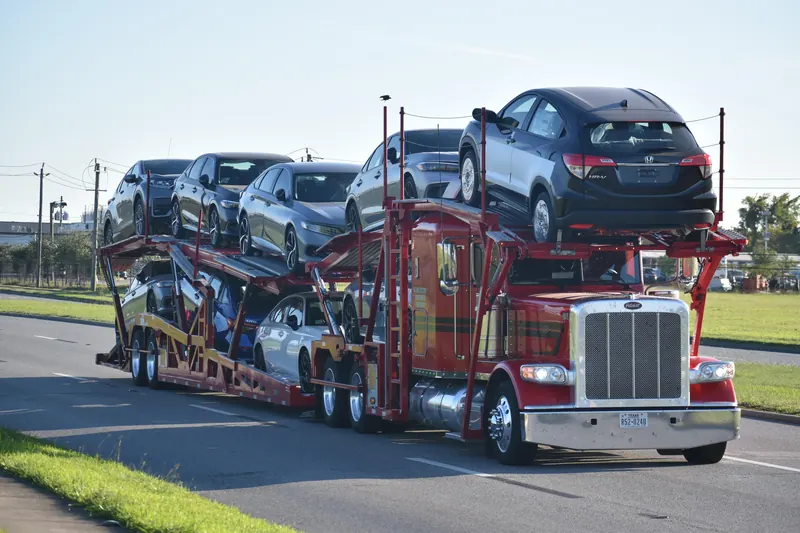
Open Carrier Transport
Our most popular and affordable way to ship: your vehicle travels on a professional open auto carrier.
Learn more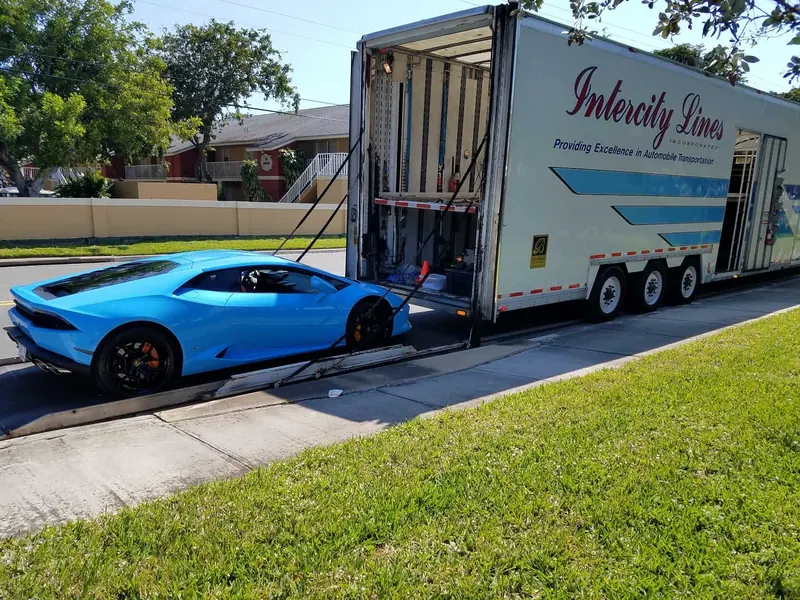
Enclosed Auto Transport
Fully covered protection from weather and road debris, ideal for luxury, exotic and classic cars.
Learn more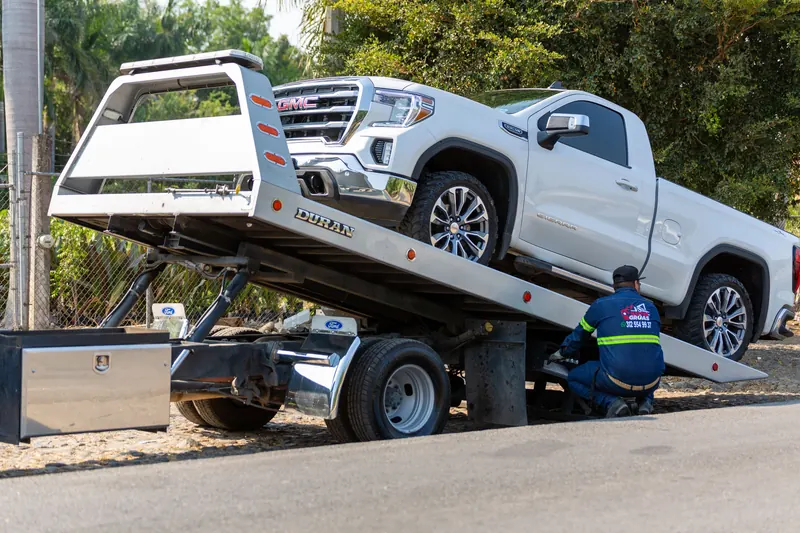
Door-to-Door Service
We pick up and deliver as close to your address as safely possible, on both ends of the move.
Learn more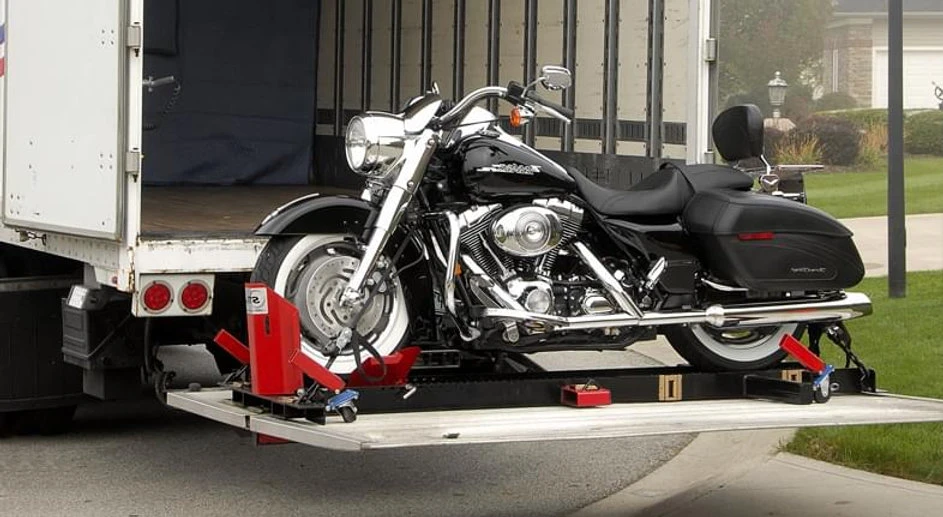
Motorcycle Shipping
Specialized crating, soft-strapping and secure handling for bikes of every make and model.
Learn more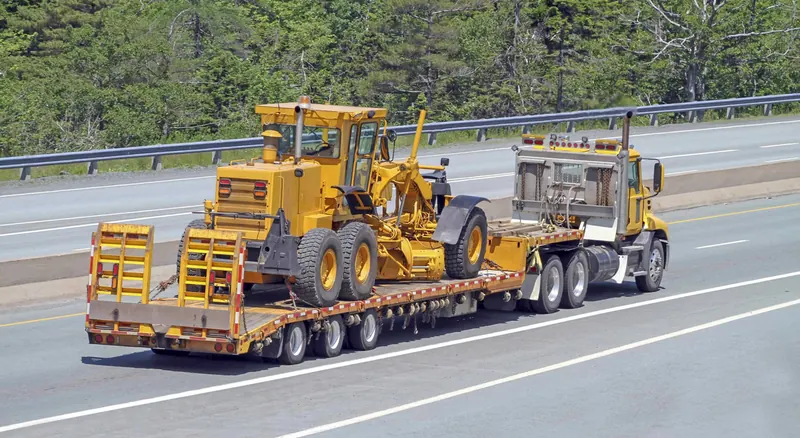
Heavy Equipment Hauling
Flatbed and lowboy transport for construction machinery, tractors and oversized loads.
Learn more
Luxury & Exotic Transport
Enclosed shipping for high-value vehicles, with liftgate loading and soft straps on request.
Learn moreAuto transport at each end of your route
We cover Virginia and Florida statewide, plus the city markets along this corridor.
Other routes we run regularly
Virginia to Florida shipping FAQs
Ship from Virginia to Florida
Get a free, all-inclusive quote for the Virginia to Florida route today.