
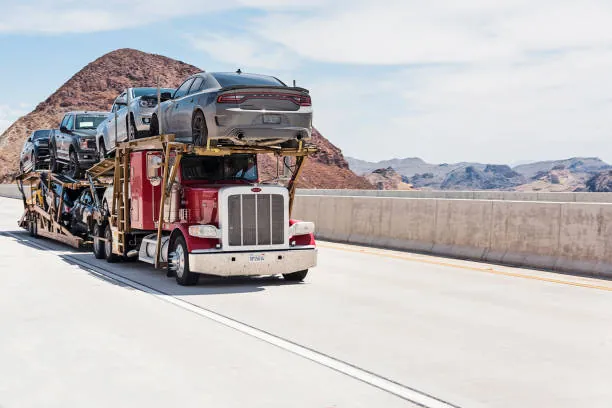
California to New York Auto Transport
Coast-to-coast car shipping from California to New York, door-to-door and carrier insured. Historically, most vehicles on this lane arrive 5–8 days after pickup.
Neptune Auto Transport moves vehicles eastbound from Los Angeles, Orange County, the Inland Empire, San Diego, the Bay Area, Sacramento and the Central Valley to Brooklyn, Queens, Long Island, the Hudson Valley, Buffalo and the rest of upstate New York. Roughly 2,800 miles, handled door to door on open or enclosed carriers, carrier insured, at one all-inclusive price.
The California to New York route at a glance
Los Angeles to New York is about 2,790 miles, and from the Bay Area closer to 2,900. Eastbound carriers typically pick up I-80 out of Northern California or run I-40 to I-70 from Southern California, cross the Midwest and enter the Northeast through Pennsylvania. The final approach into the New York metro is the slowest part of the whole trip.
Eastbound is a genuinely different move from westbound. Carrier supply, seasonal demand and the last-mile problem all change: delivering into Brooklyn, Queens or Manhattan requires planning that dropping a car in suburban Los Angeles does not.
Why people ship cars from California to New York
- Relocations east. Job transfers into the New York area, often on a fixed start date.
- Returning residents. People moving back to New York after time on the West Coast, frequently with a second vehicle to move.
- Vehicle purchases. California's dry climate makes it a favoured source for rust-free used and classic cars, and New York buyers ship them east regularly.
- Students heading to New York universities for the academic year with college student car shipping.
- Collector and auction vehicles moving to Northeast events and storage on enclosed transport.
- Military PCS moves from California installations to the Northeast.
California to New York Shipping Insights
Most auto transport pages describe this route in general terms. The figures in this section come from Neptune Auto Transport's own dispatch records for completed California to New York moves, covering vehicles collected between June 2022 and August 2026. They are aggregated, so no individual shipment, customer or price is represented, and they describe what has actually happened on this lane rather than an industry average.
What customers ship on this route
| Vehicle type | Share of historical shipments |
|---|---|
| Cars and sedans | 54% |
| SUVs and crossovers | 32% |
| Pickup trucks | 8% |
| Vans and minivans | 3% |
| Motorcycles | 3% |
Historical Neptune Auto Transport shipments on the California to New York route include a wide range of vehicle types, with cars and SUVs together representing the largest share. That mix is why most moves on this lane are quoted against a standard open carrier slot. The remainder matters more than its share suggests: a full-size pickup takes noticeably more deck length and weight allowance than a sedan, which is the most common reason a quote on this route comes back higher than an owner expected, and motorcycle shipping is handled, secured and priced differently from cars entirely.
Premium and collector vehicles on this lane
Around four in ten vehicles we have moved eastbound on this route carried a premium or luxury marque. California's dry climate makes it a favoured source for rust-free used, collector and enthusiast cars, and this corridor carries a lot of them. Open transport remains a sound choice for most of these vehicles and is what many owners select. Enclosed auto transport is there when you want the additional protection from weather, road salt and debris across 2,800 miles, and it is the more common choice for low-clearance, restored and high-value vehicles.
Where vehicles are collected in California
| California pickup area | Share of historical pickups |
|---|---|
| Greater Los Angeles | 32% |
| Orange County | 17% |
| Bay Area | 17% |
| Inland Empire | 13% |
| San Diego County | 6% |
| Central Valley | 5% |
| Sacramento region | 5% |
| Ventura County and the Coachella Valley | 5% |
Southern California, counting the Inland Empire, accounts for close to three-quarters of pickups on this lane, and Los Angeles alone for roughly a third. Orange County and the Inland Empire are the next two areas after Greater Los Angeles, which is worth knowing if you are shipping from Irvine, Anaheim, Riverside or Fontana rather than from the city itself. Northern California pickups run mainly through the San Francisco, Oakland and San Jose corridor, with the Sacramento region and Central Valley cities such as Fresno and Bakersfield also served regularly.
Where vehicles are delivered in New York
| New York delivery area | Share of historical deliveries |
|---|---|
| New York City (five boroughs) | 37% |
| Long Island | 19% |
| Western New York and the Niagara region | 14% |
| Hudson Valley and Westchester | 11% |
| Central New York | 6% |
| Rochester and the Finger Lakes | 5% |
| Capital Region | 3% |
| North Country and Southern Tier | 5% |
This is the finding most likely to be useful to you: roughly two-thirds of vehicles on this lane are delivered somewhere other than New York City. Brooklyn is the single most frequent destination and Queens is close behind, but Long Island on its own accounts for about a fifth of deliveries, and the Buffalo and Niagara region for roughly a seventh. Deliveries to Rochester, Syracuse, Albany, Yonkers and White Plains are routine rather than exceptional. Carriers running this corridor are as used to the Thruway west to Buffalo as they are to the approach into Brooklyn.
How these figures were calculated
The statistics above come from Neptune Auto Transport's completed California to New York shipments, covering vehicles collected between June 2022 and August 2026. Percentages describe the share of shipments in each group, are rounded to the nearest whole number, and may not total exactly 100. Transit figures are loaded transit time, measured from the day a carrier collects the vehicle to the day it is delivered, and do not include the pickup window that comes first. Shipments without a confirmed delivery date are excluded from the transit figures.
Everything here is aggregated: no individual shipment, customer, address or price is shown or implied. These are historical patterns on one lane in one direction, not a forecast, so they do not guarantee future pricing, carrier availability or delivery times. Elsewhere on this site you will see a wider 7 to 10 day estimate for cross-country transport, which covers every coast-to-coast lane in both directions. The narrower figure on this page is not a contradiction: it is the measured result for this specific eastbound route, and eastbound and westbound genuinely differ.
How long does California to New York auto transport take?
Based on Neptune Auto Transport's historical shipment data, about eight out of ten completed California to New York shipments arrived within 5 to 8 days after pickup, and the median was 6 days. Just over half arrived in six days or fewer. Actual transit times vary depending on the specific origin and destination, carrier availability, weather, traffic and access at the delivery address, so these figures describe past shipments and are not a guaranteed delivery time.
Transit is measured from the day the vehicle is loaded, not the day you book. Pickup is normally assigned within 2–5 business days on standard service, or 24–72 hours with expedited transport. Distances from the main California origins:
| Route | Distance | Estimated transit |
|---|---|---|
| Los Angeles → New York | ~2,790 mi | 5–8 days |
| San Diego → New York | ~2,780 mi | 5–8 days |
| San Francisco → New York | ~2,900 mi | 5–8 days |
| Sacramento → New York | ~2,870 mi | 5–8 days |
Two things most often add a day: winter weather over the Rockies, and the New York metro itself. Deliveries into Manhattan, Brooklyn and Queens historically ran slightly longer than the lane median because a full-size carrier has to arrange a legal meeting point, while Buffalo, Rochester and the North Country ran slightly shorter because the carrier stays on the interstate. A delivery into the five boroughs is scheduled around traffic and legal stopping points, so the last 20 miles can take as long as the previous 200.
How much does it cost to ship a car from California to New York?
Distance sets the floor; your vehicle, transport type, access at both ends and the season set the rest. Winter conditions across the mountain passes and into the Northeast tighten capacity from roughly December through February. Here is what actually moves that number on this lane:
- Direction is not symmetrical. The two legs of a lane rarely price identically, because carrier supply and freight demand differ by direction and by season. An eastbound quote is priced on its own terms rather than as the westbound number reversed.
- Season. December through February is the tightest window, when the mountain passes and Northeast weather together reduce how many trucks will commit to the full run. Our own historical shipment data indicates that pricing on this lane has varied through the year, with late spring and summer generally running higher than late autumn and winter.
- The New York end. Delivery access moves this number more than the California pickup does. A Long Island or Westchester driveway is straightforward; a dense city block with permit parking is not, and the driver will arrange a meet nearby instead.
- The vehicle and the trailer. Trucks, SUVs and vans take more deck space and weight than a sedan, and an inoperable vehicle needs a winch and a driver equipped to use it. Enclosed transport costs substantially more than open, because the trailer holds fewer vehicles, the equipment is scarcer and the insurance requirements are higher. Across our historical shipments the difference between a sedan and a full-size pickup was typically larger than any seasonal variation.
A quote well below what carriers on this lane actually accept usually means a rate no carrier will take, which costs you weeks of waiting rather than money saved. We price the lane as it actually runs.
We do not publish a rate table for this lane, because one number would be wrong for most of the people reading it. A specialist prices the actual corridor, your actual vehicle and your actual dates, and the figure you are given is all-inclusive. Request a free quote, or see how much it costs to ship a car for the wider picture.
Open or enclosed on this route
Most eastbound vehicles travel open, which is the right call for a daily driver and matches the cars-and-SUVs mix that makes up most of this lane. Enclosed makes sense for the cars this route is known for: rust-free classics, luxury and exotic vehicles and low-clearance sports cars bought in California and delivered into a New York winter. It adds a significant premium, and the extra buys protection from weather, salt and road debris over 2,800 miles.
How shipping a car from California to New York works
- Quote. California pickup address, New York delivery address, vehicle and rough dates.
- Book. We assign a vetted long-haul carrier running the eastbound lane and confirm the pickup window.
- Pickup. The driver records the vehicle's condition on the Bill of Lading and loads.
- Delivery. You inspect the vehicle with the driver in New York and sign for it.
Delivery is door-to-door as far as access allows. In Manhattan, Brooklyn and Queens the driver proposes a nearby legal spot, a wide avenue, a large lot, an area near a highway ramp, at no extra cost. On Long Island, in Westchester and upstate, curbside delivery is normally straightforward.
Transport options on this route
Whatever you drive and however you want it protected, there is a service built for it. These are the ones customers pick most often on this lane.
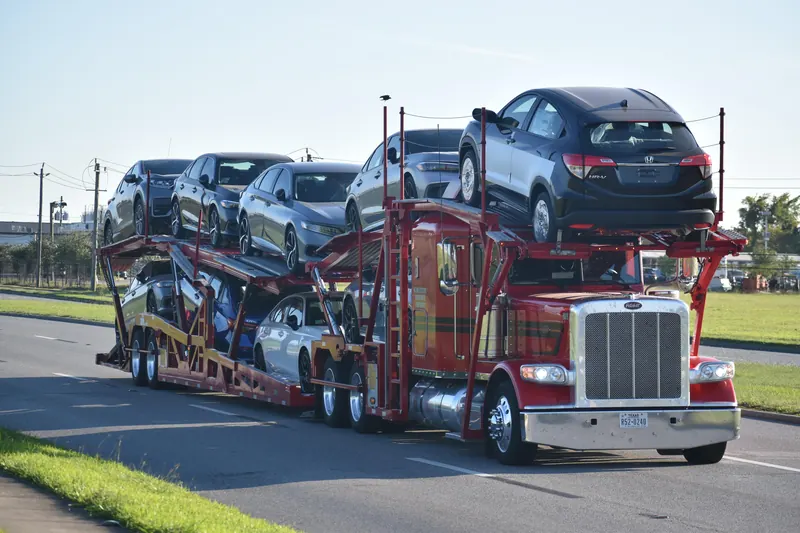
Open Carrier Transport
Our most popular and affordable way to ship: your vehicle travels on a professional open auto carrier.
Learn more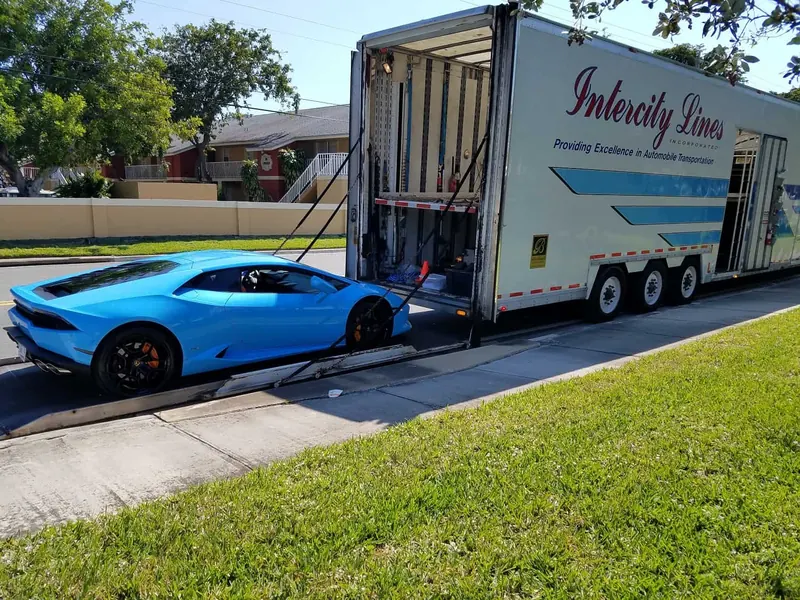
Enclosed Auto Transport
Fully covered protection from weather and road debris, ideal for luxury, exotic and classic cars.
Learn more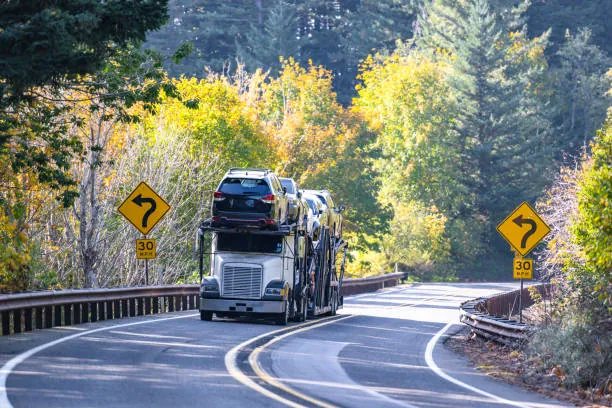
Cross-Country Transport
Coast-to-coast moves handled by carriers who run long-haul routes every day.
Learn more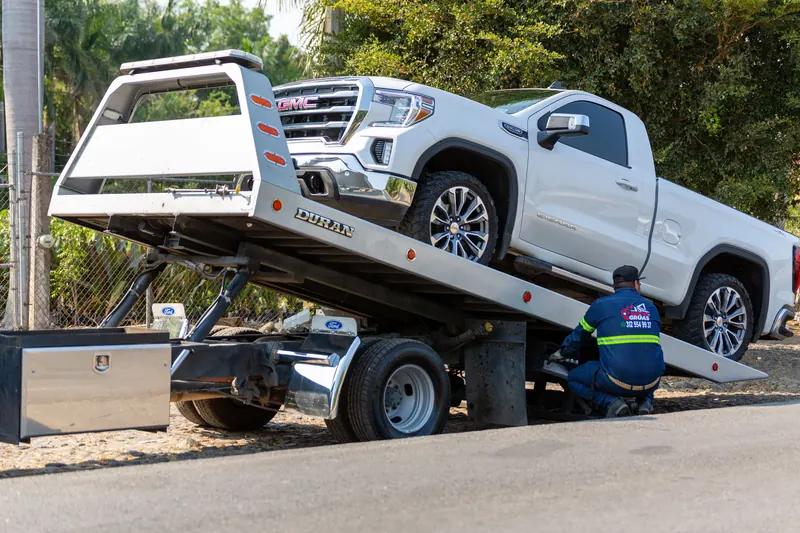
Door-to-Door Service
We pick up and deliver as close to your address as safely possible, on both ends of the move.
Learn more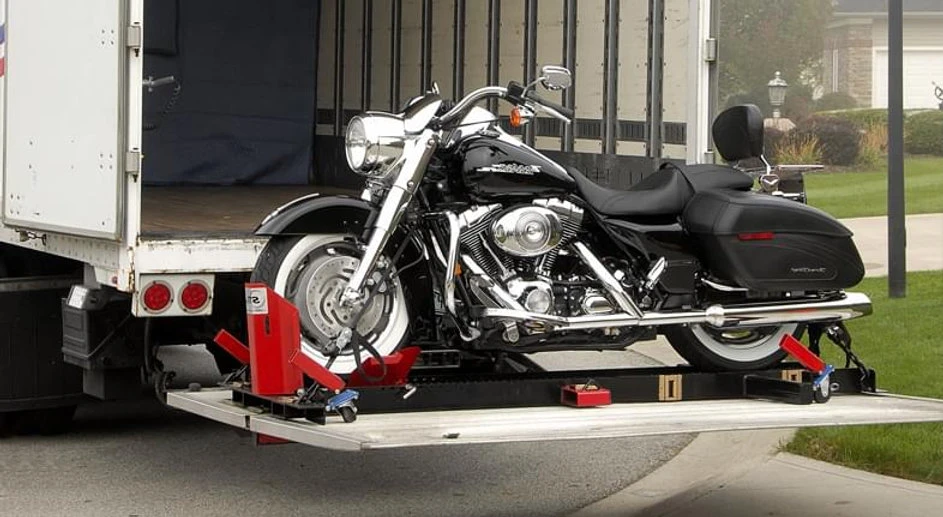
Motorcycle Shipping
Specialized crating, soft-strapping and secure handling for bikes of every make and model.
Learn more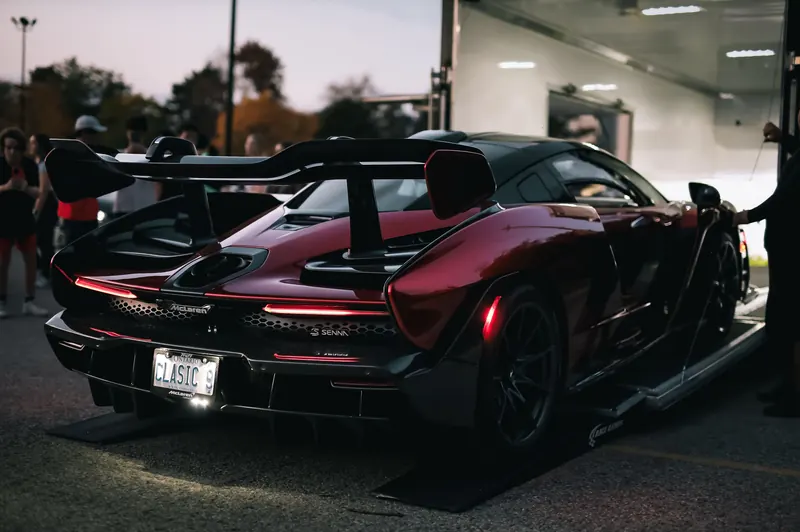
Luxury & Exotic Transport
White-glove, climate-controlled enclosed shipping with extra care for high-value vehicles.
Learn moreWhere we pick up and deliver
We collect anywhere in California and deliver anywhere in New York. These are the areas we serve most often at each end.
Pickup in California
Delivery in New York
Auto transport at each end of your route
Other routes we run regularly
California to New York car shipping FAQs
Ship your car from California to New York
Get a free, all-inclusive quote for the California to New York route today.