
Classic & Collector Car Transport
Original paint, tired brakes, carburetors and low ground clearance all change how a classic should be shipped. We book the equipment your car needs, running or not, enclosed or on a top-load spot.
Neptune arranges door-to-door transport for classic, antique and collector cars by road within the 48 contiguous states. We are a broker: we book a vetted carrier for your route with the equipment your car needs, and the carrier's driver picks it up and delivers it.
The older cars we move most
In our dispatch records from mid-2022 to August 2026, the models built before 2000 that come up most are the Jeep Wrangler, the Ford Mustang and the Ford F-150 pickup, followed by the Chevrolet Camaro, Honda Civic, Ford Bronco and Pontiac Firebird. Our records start at model year 1980, so they say nothing about cars built before then.
Whatever the car, the questions are the same: does it run, how low is it, and how much does its finish matter to you.
Antique, classic and collector cars: what changes from car to car
People call them different things: antique cars, classic cars, collector cars, vintage. In practice they all reach us for the same reason, a vehicle that cannot be replaced by buying another one. What does change, and a lot, is how each one is loaded and secured.
Whether it runs changes the equipment
Many older cars do not start, and that is fine: a non-running car is winched onto a trailer equipped for it. Tell us when you request a quote, because a car that does not run needs a carrier with a winch, and that is a different booking. If it runs but has sat for years, say so too: the brakes and clutch on a car that rarely moves do not always behave on a ramp.
Ride height, carburetors and leaks
A lowered classic, or one with a front air dam, will not climb a standard ramp without scraping, so it goes on a liftgate. Tell us in advance if the car is carbureted or drips a little oil or coolant, because that changes where it is placed on the trailer: nobody wants a drip landing on the car below. A soft top or delicate original paint is a good reason to ship enclosed, or at least on a top-load spot where nothing sits above it.
By road, within the 48 contiguous states
People ask, so it is worth saying plainly: we move classic cars by road within the 48 contiguous states. We do not arrange ocean or international shipping, so a classic that has to cross an ocean needs an ocean shipping company, not a road carrier. Within the country, we move collector cars to auctions, shows, restoration shops and new garages all year.
Enclosed or top-load
Enclosed transport keeps a classic out of the sun, rain, road salt and gravel, and out of view. A top-load spot on an open carrier is the lower-cost option: the car rides on the upper deck, so no other car is parked above it and nothing can drip on it, though it is still exposed to the weather. For original paint, a fresh restoration or a soft top, enclosed is the safer choice. Either way, the car can be tied down by its wheels with soft straps, with no chains over the body or frame.
Condition photos and insurance
The driver records the car's condition on the Bill of Lading with photos at pickup and again at delivery, and we can send you those photos. With original or restored paint, take your own close-up photos before pickup too.
Your car is covered by the assigned carrier's cargo insurance, not by Neptune: at least $100,000, usually $100,000 to $250,000, and for a more valuable car we find a carrier with higher limits. Tell us what the car is worth when you request a quote, and we send you the carrier's insurance certificate before pickup. Before we assign a carrier, we check its operating authority, its insurance certificate, its safety rating and its Central Dispatch rating. If damage does happen, you file the claim directly with the carrier's insurance company, and we supply the Bill of Lading, the dispatch sheet and the contract to support it.
Our classic car shipping guide covers preparation, paperwork and when open transport is reasonable.
What it costs
We do not publish prices. A classic's quote depends on distance, whether it runs, its size, enclosed or open, a liftgate or single-vehicle request, how flexible your dates are and the season. Request a free quote and an agent calls you back with a price for your route.
What you get with Classic Car Transport
- Enclosed transport, or a top-load spot on an open carrier
- Winch loading for cars that do not run
- Liftgate loading for low or lowered cars
- Soft straps, with no chains over the body or frame
- Carriers checked for authority, insurance and safety
- Condition photos on the Bill of Lading at both ends
Ship your car in four simple steps
We have streamlined nationwide car shipping into an easy, transparent process, from your first quote to your driveway.
Request a Free Quote
Tell us your pickup and delivery locations, your vehicle, and your timeline. An agent calls you back with an upfront, all-inclusive price.
Book & Schedule
Lock in your rate and choose a pickup window that works for you. Your dedicated specialist confirms every detail and answers any questions.
We Pick Up Your Vehicle
A vetted, insured carrier arrives at your location. We complete a thorough inspection report together, then your vehicle is securely loaded.
Track & Receive
Stay updated while your car is in transit. On delivery, you do a final inspection, and your vehicle is ready to drive, simple as that.
Popular states and routes we serve
Classic Car Transport, frequently asked questions
You might also need
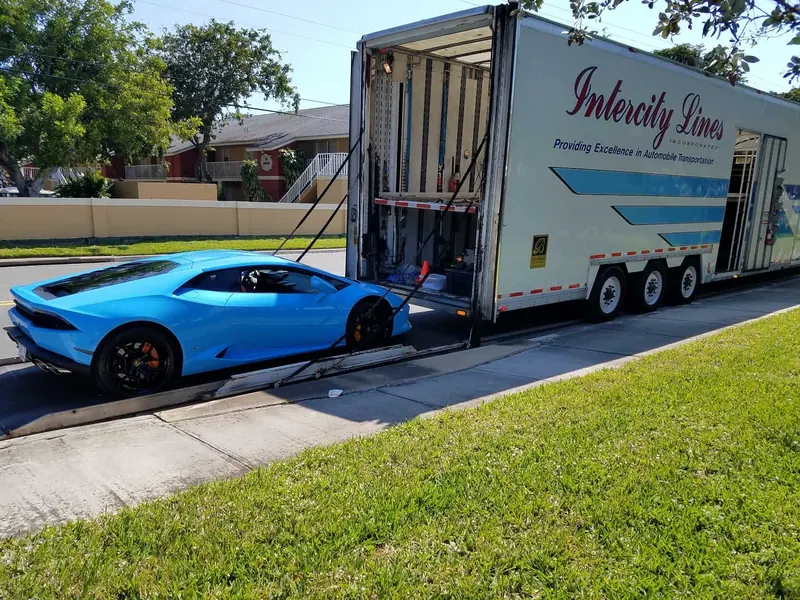
Enclosed Auto Transport
Your car rides inside a covered trailer, out of the rain, road salt and gravel, from pickup to delivery.
Learn more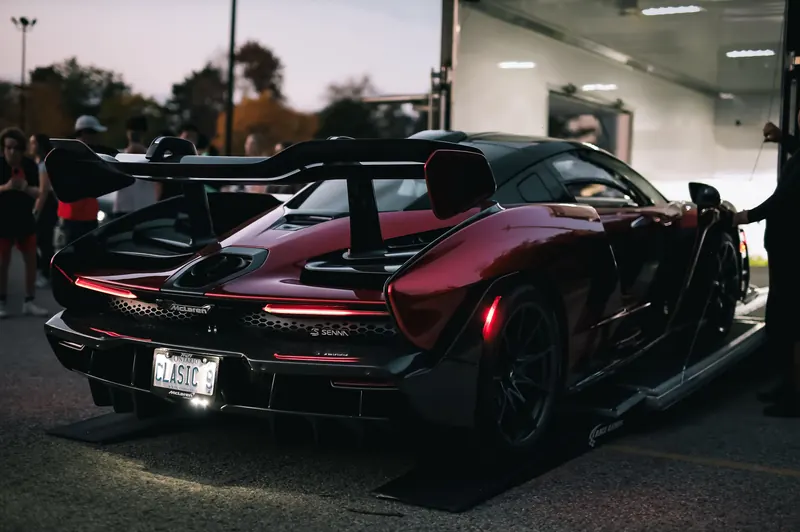
Luxury & Exotic Car Transport
Low noses, wide tires and expensive paint change how a car should be loaded and who should carry it.
Learn more
Cross-Country Auto Transport
A cross-country move is a big undertaking, and driving your car thousands of miles is rarely the best part. Neptune's co…
Learn moreReady to ship with confidence?
Get a free, all-inclusive quote for classic car transport today.