
Florida to New York Auto Transport
Door-to-door car shipping from Florida to New York, insured, honestly priced, and a median 3 days in transit once loaded.
The northbound leg of the East Coast’s busiest lane. Neptune Auto Transport moves vehicles from Miami, Fort Lauderdale, Orlando, Tampa, Jacksonville and everywhere between up to New York City, Long Island, Westchester and upstate, door to door, open or enclosed, carrier insured.
The Florida to New York route at a glance
Northbound, carriers collect across Florida, often building a load from several South Florida and Gulf Coast pickups, then run Interstate 95 up through Georgia, the Carolinas and the mid-Atlantic into the New York metro. Miami to New York is roughly 1,280 miles; from Orlando it is about 1,080 and from Jacksonville around 940.
The direction matters more than people expect. Northbound demand is heaviest in spring, when seasonal residents return, and the lane runs quieter in the fall when the traffic is going the other way. That seasonality affects both how quickly a carrier is assigned and what the move costs.
Why people ship cars from Florida to New York
- The spring snowbird return. Vehicles that wintered in Florida heading back to New York, concentrated between roughly March and May.
- Relocations north. Job moves and family moves back to the New York area, often with a household move happening at the same time.
- Out-of-state vehicle purchases. Florida's used-car market is large and rust-free, and New York buyers regularly ship cars bought there, including auction and dealer purchases.
- Students returning from Florida campuses at the end of the academic year.
- Estate and family transfers, where a vehicle passes to a relative living in New York.
- Collector cars moving to Northeast shows, auctions and storage, typically on enclosed transport.
How much does it cost to ship a car from Florida to New York?
The same factors apply as southbound, distance, vehicle size and condition, open vs. enclosed, access and timing, but the seasonal pressure is inverted, with the spring return being the busiest window. Here is what actually moves that number on this lane:
- Timing, inverted. The northbound return peaks through March and April, and that is the most expensive window on this leg. Late spring and summer are noticeably easier to book and price better.
- The Florida end. Snowbird pickups cluster into the same few weeks and often the same developments, so a flexible pickup date is worth real money when an entire street is shipping at once.
- The New York end. Delivery into a dense city block is the most common reason a northbound quote moves. Suburban Westchester, northern New Jersey and Long Island addresses are simpler, and cheaper, to serve.
- What you are shipping, and on what. Deck space and weight drive the vehicle side, so a three-row SUV or a crew-cab pickup prices above a sedan, and a non-running car narrows the pool of trucks that can take it. On the trailer side, enclosed costs substantially more than open: fewer vehicles per load, scarcer equipment, higher insurance requirements.
Rates on a lane are not perfectly symmetrical, because carrier supply and freight demand differ by direction and season. Your quote reflects what the lane actually costs on your dates rather than a fixed published table.
What customers actually paid
These are tariffs from Neptune's own completed Florida to New York shipments, not estimates. Cars and SUVs picked up in the twelve months to 6 July 2026, 21 shipments:
| Measure | All-inclusive tariff |
|---|---|
| Most shipments fell between | $675 and $1,100 |
| Median | $850 |
Northbound runs below southbound, and the gap is the seasonality above rather than a discount: the same twelve months on New York to Florida median $1,000 against $850 here. Ship in March or April and the gap closes, because that is when this direction carries the load.
Read these as history, not as a quote. They cover cars and SUVs only; vans and oversized items sit higher. They mix open and enclosed transport, because our dispatch records carry no transport-type field, and enclosed sits at the top of the range. This is a smaller sample than the southbound lane, 21 shipments against 35. A specialist prices the actual corridor, your actual vehicle and your actual dates, and the figure you are given is all-inclusive. Our cost calculator shows how this lane compares with the rest of the country. A specialist prices the actual corridor, your actual vehicle and your actual dates, and the figure you are given is all-inclusive. Request a free quote, or see how much it costs to ship a car for the wider picture.
How long does Florida to New York auto transport take?
Standard pickup is usually assigned within 2–5 business days; expedited service shortens that to 24–72 hours. Across 122 of our own completed northbound shipments the median loaded transit was 3 days, and 89% arrived within 2 to 4 days of pickup. That holds from every part of Florida, so the distance below changes the mileage more than it changes the clock:
| Route | Distance | Estimated transit |
|---|---|---|
| Jacksonville → New York | ~940 mi | 2–4 days |
| Orlando → New York | ~1,080 mi | 2–4 days |
| Tampa → New York | ~1,140 mi | 2–4 days |
| Miami → New York | ~1,280 mi | 2–4 days |
These describe past shipments and are not a guaranteed delivery time. The last stretch is the variable one: I-95 through the New York metro is congested, and a delivery into Manhattan, Brooklyn or Queens is scheduled around traffic and legal stopping points rather than dropped at a random hour. Winter storms in the Northeast can add a day at the end of the trip.
Why the northbound return prices differently
Southbound and northbound are not one lane run backwards. Carriers on the East Coast follow the seasonal population, so for most of the year one direction is the loaded leg and the other is the one they need to fill. That is what sits underneath the number you are quoted.
From October through December the loaded direction is New York to Florida. Trucks heading north in those months are repositioning, so space going up the coast is easier to find. From March through May it inverts: almost everyone who wintered in Florida wants to go home inside the same few weeks, northbound becomes the loaded leg, and it is the southbound trucks that have space nobody wants.
| When you ship | Northbound demand | What it means for your move |
|---|---|---|
| October to December | Quiet | The off-peak direction. The best availability of the year going north. |
| January to February | Building | Early returns begin. Still comfortable to book at normal notice. |
| March to April | Peak | The busiest northbound window. Dates tighten across whole communities at once, so flexibility is worth more than usual. |
| May | Peak easing | The tail of the return. Availability improves through the month. |
| June to September | Off-season | Seasonal demand is gone and summer relocations set the pace. |
The practical difference is that this leg rewards early booking more than the southbound one does, because the demand is packed into a narrower window. If you run the round trip each year, snowbird auto transport books both directions together.
At the Florida end, gated communities and seasonal developments are the recurring complication. Many require advance notice for a commercial vehicle, and some will not admit a full-size carrier at all, in which case the driver meets you just outside the gate. Pickups also cluster, so when an entire development leaves the same week a flexible date is the most valuable thing you have. We collect across Miami, Fort Lauderdale, Tampa, Orlando and Jacksonville, and everywhere between.
Delivering into the New York metro
The Florida end of this route is mostly a question of when. The New York end is a question of where the truck can stop. The last twenty miles are the least predictable part of the trip, and knowing how delivery works before the driver calls saves most of the friction.
- Long Island and Westchester. Driveway delivery in most cases, and the simplest end of the route. White Plains and Yonkers are the same.
- Brooklyn and Queens. Residential blocks rarely take a full-size carrier. The driver arranges a nearby spot with room to unload, and delivery is timed around traffic rather than promised to the hour.
- Manhattan. An agreed meeting point is standard, arranged with you before the truck is close.
- Upstate. Albany, Syracuse, Rochester and Buffalo sit off the main corridor, which can add a day depending on how the rest of the load is routed.
Winter carries one extra variable: a Northeast storm can hold a truck for a day at the very end of an otherwise clean run. If the vehicle should be kept away from road salt and winter spray on the way up, ask about enclosed auto transport; otherwise open carrier transport is what most vehicles on this lane travel on. For what happens on arrival, see what a Bill of Lading covers and how transit times are worked out.
How shipping a car from Florida to New York works
- Quote. Give us your Florida pickup address, New York delivery address, vehicle and rough dates for an all-inclusive price.
- Book. We assign a vetted carrier running the northbound I-95 lane and confirm your pickup window.
- Pickup. The driver documents the vehicle's condition, loads it and issues the Bill of Lading.
- Delivery. You inspect the vehicle with the driver in New York, confirm the condition and sign for it.
Delivery is door-to-door wherever a carrier can legally and safely stop. In the five boroughs that usually means a wide avenue, a large lot or a spot near a highway ramp a few blocks from your address, routine, and included in the price. In Westchester, on Long Island and upstate the carrier can normally reach the door.
Open or enclosed on this route
Open transport handles the overwhelming majority of northbound moves and is the right default for a daily driver. Enclosed is worth the premium for high-value vehicles, freshly restored cars and anything being delivered into a New York winter, where the last leg of the trip runs on salted roads. Motorcycles ship year-round through motorcycle shipping.
Transport options on this route
Whatever you drive and however you want it protected, there is a service built for it. These are the ones customers pick most often on this lane.
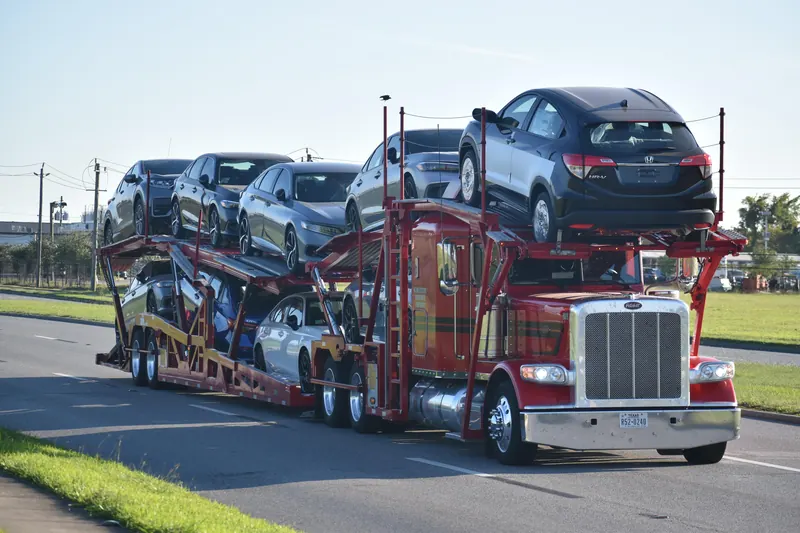
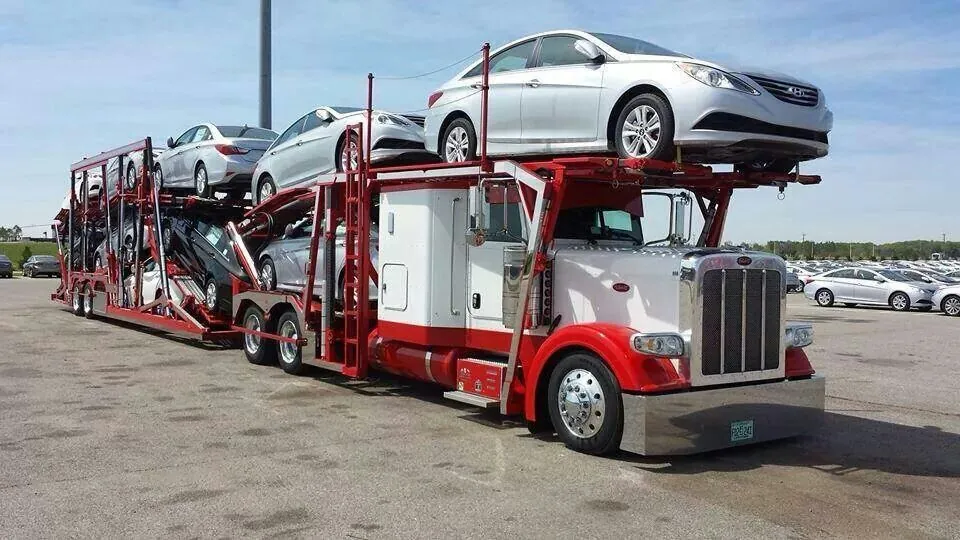
Open Carrier Transport
Our most popular and affordable way to ship: your vehicle travels on a professional open auto carrier.
Learn more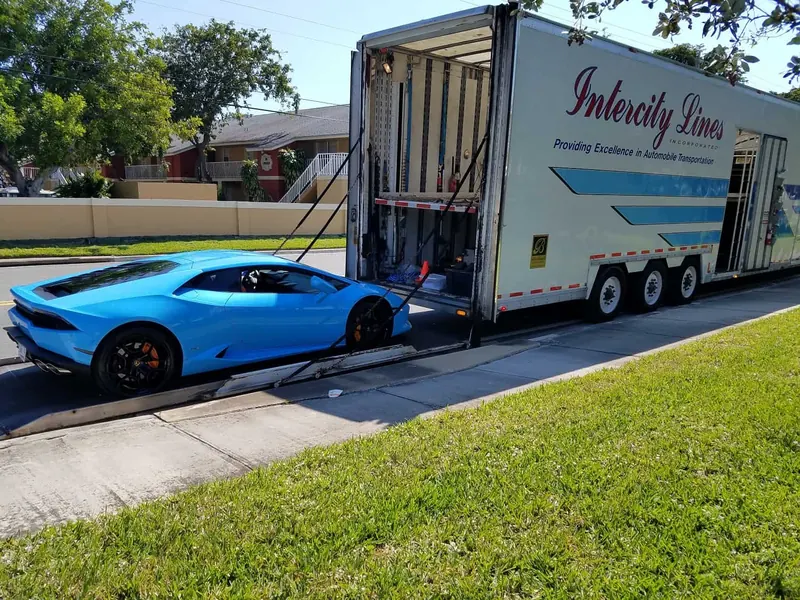
Enclosed Auto Transport
Fully covered protection from weather and road debris, ideal for luxury, exotic and classic cars.
Learn more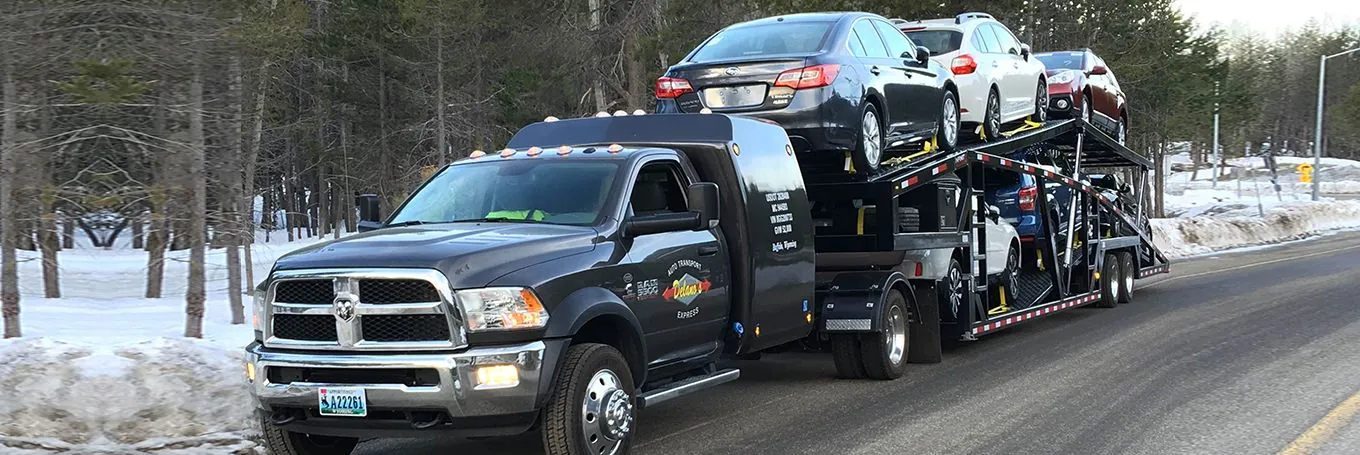
Snowbird Auto Transport
Seasonal North–South shipping timed around your winter move to and from the Sun Belt.
Learn more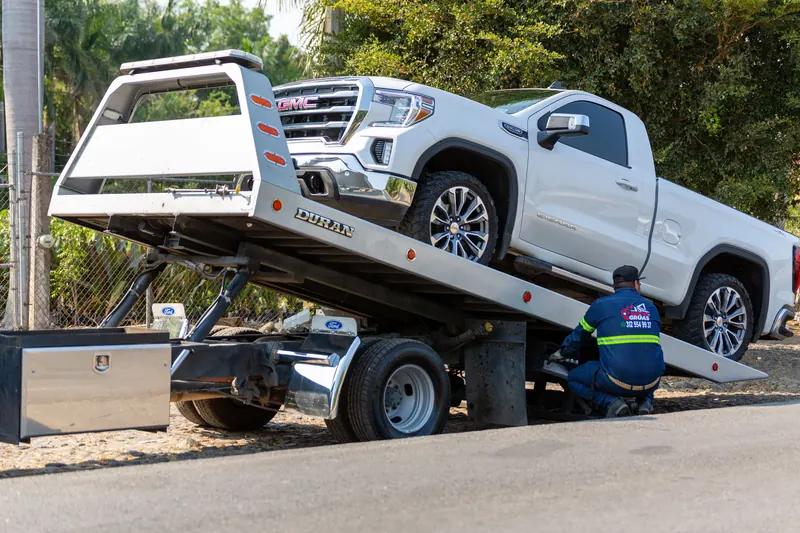
Door-to-Door Service
We pick up and deliver as close to your address as safely possible, on both ends of the move.
Learn more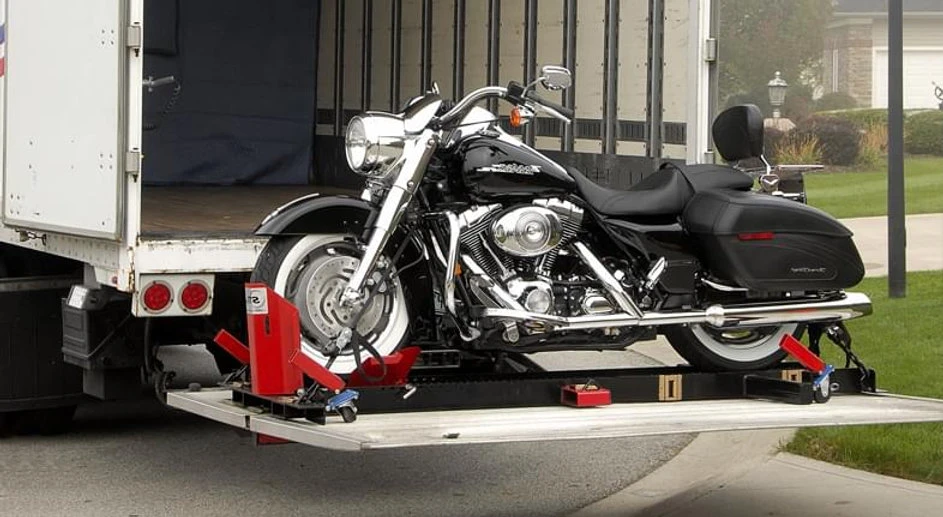
Motorcycle Shipping
Specialized crating, soft-strapping and secure handling for bikes of every make and model.
Learn more
Luxury & Exotic Transport
White-glove, climate-controlled enclosed shipping with extra care for high-value vehicles.
Learn moreWhere we pick up and deliver
We collect anywhere in Florida and deliver anywhere in New York. These are the areas we serve most often at each end.
Pickup in Florida
Delivery in New York
Auto transport at each end of your route
Other routes we run regularly
Florida to New York car shipping FAQs
Ship your car from Florida to New York
Get a free, all-inclusive quote for the Florida to New York route today.