
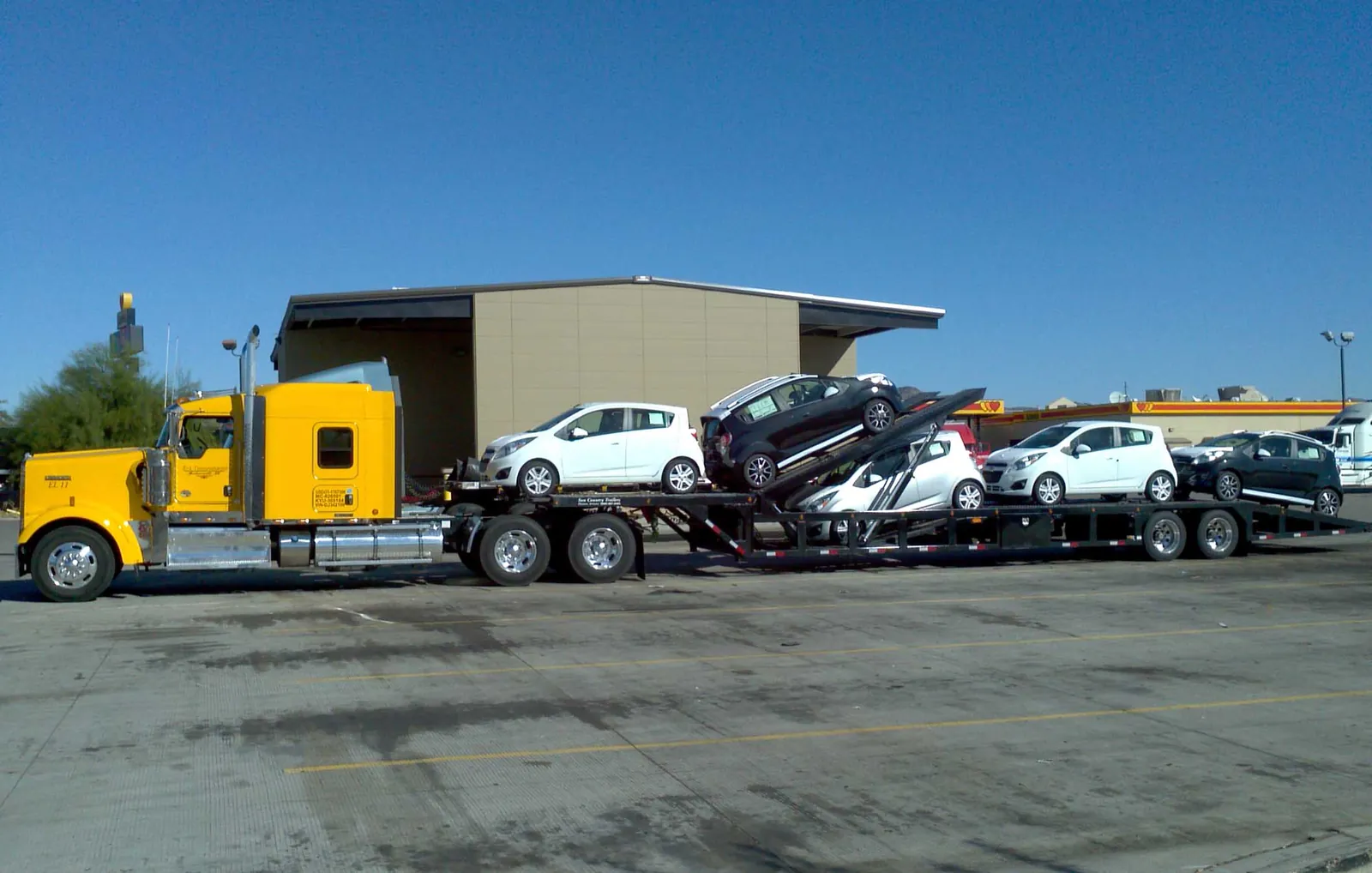
California to Florida Auto Transport
Reliable, insured, door-to-door car shipping from California to Florida. About 4–7 days in transit once loaded, plus a 2–5 business day pickup window.
The California to Florida corridor is a genuine coast-to-coast move, and Neptune Auto Transport handles it door to door on open or enclosed carriers.
The California to Florida route at a glance
California to Florida is roughly 2,730 miles by road, most of it along Interstate 10. One of the longest domestic lanes we run, this is a true coast-to-coast haul across the southern United States through Arizona, Texas and the Gulf states. Because of the distance, the cost per mile is low even though the total is high. This is a long southern lane, so your vehicle may be matched to a carrier already running it, though availability and pricing vary with the season, your dates and both end points.
Shipping a car from California to Florida
Whether you are relocating, buying or selling a vehicle across state lines, or sending a car to family, we handle the entire California to Florida journey door-to-door. You hand over the keys at the California end and receive your vehicle at the Florida end, with no terminals and no hassle.
California to Florida Shipping Insights
The figures below come from Neptune Auto Transport's own completed California to Florida shipments. This is the longest of our high-volume lanes, and the data shows a route that behaves differently from the shorter Texas runs.
What customers ship on this route
| Vehicle type | Share of historical shipments |
|---|---|
| Cars and sedans | 67% |
| SUVs and crossovers | 22% |
| Pickup trucks | 6% |
| Vans and minivans | 3% |
| Motorcycles | 1% |
| Trailers | 1% |
This lane carries the highest proportion of standard cars and sedans of any route we track, and correspondingly fewer trucks. Coast to coast distance is the likely reason: the longer the haul, the more owners weigh the cost of moving a large vehicle against driving it. Open transport remains the default, and enclosed is available where the vehicle warrants it.
Where vehicles are collected and delivered
| Pickup area | Share of historical pickups |
|---|---|
| Greater Los Angeles | 30% |
| Bay Area | 25% |
| Orange County | 13% |
| San Diego County | 11% |
| Inland Empire | 10% |
| Other areas | 11% |
| Delivery area | Share of historical deliveries |
|---|---|
| South Florida | 39% |
| Tampa Bay and the Gulf Coast | 15% |
| Jacksonville and Northeast Florida | 15% |
| Greater Orlando | 15% |
| Southwest Florida | 5% |
| Other areas | 11% |
Florida is the most evenly split destination of any lane we run. South Florida leads, but Tampa Bay, Jacksonville and Greater Orlando each take a comparable share, so no single metro dominates the way Houston does on the Texas lanes. Jacksonville is the surprise: it sits furthest from the southern approach yet holds its own, which reflects genuine relocation demand rather than through traffic. On the California side, San Diego County and Orange County together supply nearly a quarter of pickups, a noticeably larger share than they contribute to the Texas lane.
Historical transit times on this lane
Based on Neptune Auto Transport's historical shipment data for this lane, the median loaded transit time was 5 days, and approximately nine out of ten completed shipments arrived within 4 to 7 days after pickup. Actual transit times vary with the specific origin and destination, carrier availability, weather, traffic and access at the delivery address, so these figures describe past shipments and are not a guaranteed delivery time.
How these figures were calculated
These insights are based on aggregated Neptune Auto Transport shipment records for vehicles collected between June 2022 and August 2026. Percentages describe the share of shipments in each group, are rounded to the nearest whole number, and may not total exactly 100. Pickup and delivery areas are grouped by postal region. Transit figures use only shipments with a confirmed pickup and delivery date, and are measured from the day a carrier collects the vehicle to the day it is delivered, so they exclude the pickup window that comes first.
Everything here is aggregated: no individual shipment, customer, address or price is shown or implied. Historical results are provided for information only and do not guarantee future transit times, pricing or service availability.
How long does the California to Florida route take?
Two separate figures decide when your car arrives. Once it is loaded, budget roughly 4–7 days in transit: a driver covers about 400 miles on a typical day, because federal hours-of-service rules cap driving time and a loaded carrier is slower than a car, so 2,700 miles is around 7 days of driving, with the balance covering the other vehicles on the truck and their delivery order. Before any of that, a standard pickup window of 2–5 business days runs from booking to collection.
Your delivery date is the pickup date plus the transit days, which is why we quote the two separately. The transit clock starts when the car is loaded, not when you book, so a collection at the later end of its window, or late in the day, moves the arrival with it. Weather and where your vehicle sits in the truck's drop order can shift it further, so we give a delivery window rather than a fixed date. If your dates are firm, ask about expedited service to tighten the pickup end.
Open or enclosed transport for this route
For most vehicles making this trip, an open carrier is the practical choice, lower cost and a larger pool of available trucks. Over 2,400-plus miles a car will pick up road grime, which a wash takes care of on arrival.
Enclosed transport makes more sense on a haul this long if the vehicle is a classic, a luxury or exotic car, freshly restored, or low enough to need lift-gate loading. Salt air at the Florida end is another reason owners of high-value cars sometimes prefer it. Enclosed trailers are fewer in number, so book further ahead.
Why people ship cars from California to Florida
Coast to coast is the longest domestic move most people make, and driving it means roughly five days behind the wheel plus fuel and lodging. The common reasons for shipping instead:
- Permanent relocation. Households moving between two of the largest states in the country, often shipping one car while driving the other, or shipping both and flying.
- Seasonal moves. Florida draws seasonal residents each fall, with vehicles returning north or west in spring. See snowbird auto transport.
- Remote purchases. Buying a specific vehicle at the other end of the country and having it delivered rather than flying out to drive it home.
- Collector vehicles. Cars moving to or from shows and collections, where owners would rather not add 2,500 miles of wear.
How much does it cost to ship a car from California to Florida?
On a lane this long, distance dominates the price, but several other factors move it. Vehicle size and weight matter, a full-size truck or SUV takes more deck space than a sedan. Whether the vehicle runs affects which carriers can take it, since a non-runner needs a winch. Open versus enclosed is usually the single largest choice you control.
Timing is heavily seasonal here. Southbound demand into Florida rises through the fall as seasonal residents arrive, and northbound rises in spring. Booking inside those peaks with fixed dates gives you the fewest options; a week or two of lead time and a two or three day pickup range generally helps.
Treat any transit estimate as an estimate. Hurricane season runs from June through November and can close roads or delay deliveries at the Florida end, and a driver's existing delivery order affects where your vehicle sits in the sequence.
How the route is typically planned
The practical advantage of this lane is that it stays south. Interstate 10 runs essentially the full width of the country from the Los Angeles area to Jacksonville, which keeps carriers clear of the mountain passes and winter closures that affect northern coast-to-coast routes. From Jacksonville, vehicles heading to Miami and the southeast coast typically continue on I-95, while Tampa, Orlando and the Gulf side are reached via I-75 and connecting highways.
Carriers vary the details, and a truck may pick up or drop other vehicles along the way through Arizona, Texas and the Gulf states. That is normal for long-haul auto transport and is part of why a coast-to-coast move is measured in days on the road rather than a fixed arrival time. The main seasonal caution is at the destination end, where tropical weather between June and November occasionally disrupts schedules.
Pickup and delivery at each end
Door-to-door service means the carrier comes as close to your address as it can safely and legally get. Where the street will not allow a full-size truck, the driver confirms a nearby meeting point with you in advance.
Pickup in California
We collect across the state. See California auto transport. Hillside and dense blocks in Los Angeles, the steep streets of San Francisco and the canal streets around Long Beach are the usual cases for a meeting point; San Diego and inland suburban addresses are often simpler.
Delivery in Florida
We deliver statewide. See Florida auto transport. Jacksonville sits at the end of I-10, while Orlando, Tampa, Miami and Fort Lauderdale are reached on connecting interstates. Gated communities and condo developments are very common in Florida and often restrict large vehicles, so confirm access rules ahead of delivery day. The reverse direction is covered on our Florida to California page.
Nationwide transport for every kind of vehicle
Whatever you drive and wherever it needs to go, Neptune has a shipping solution built for it. Explore our most-requested services.
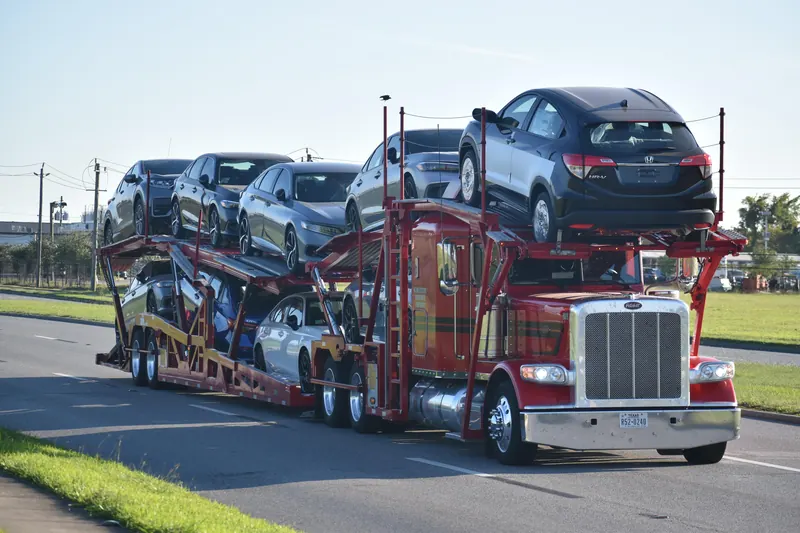
Open Carrier Transport
Our most popular and affordable way to ship: your vehicle travels on a professional open auto carrier.
Learn more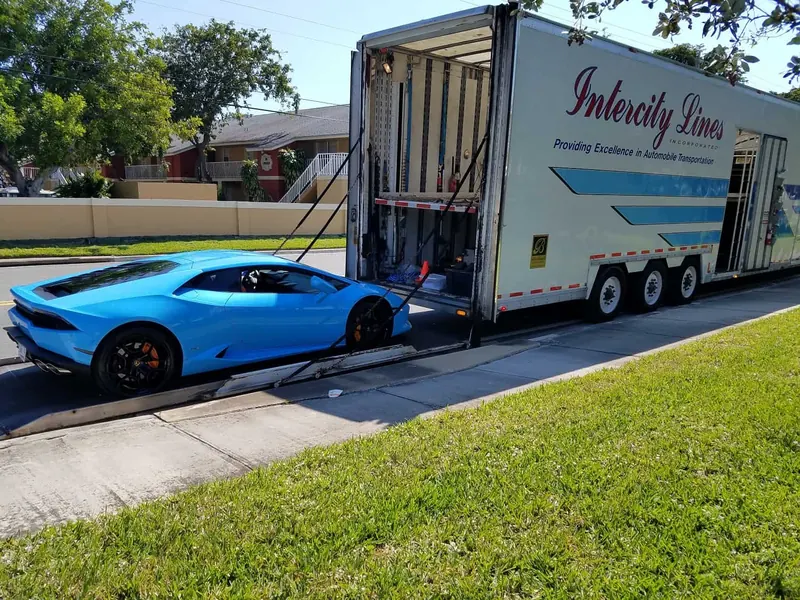
Enclosed Auto Transport
Fully covered protection from weather and road debris, ideal for luxury, exotic and classic cars.
Learn more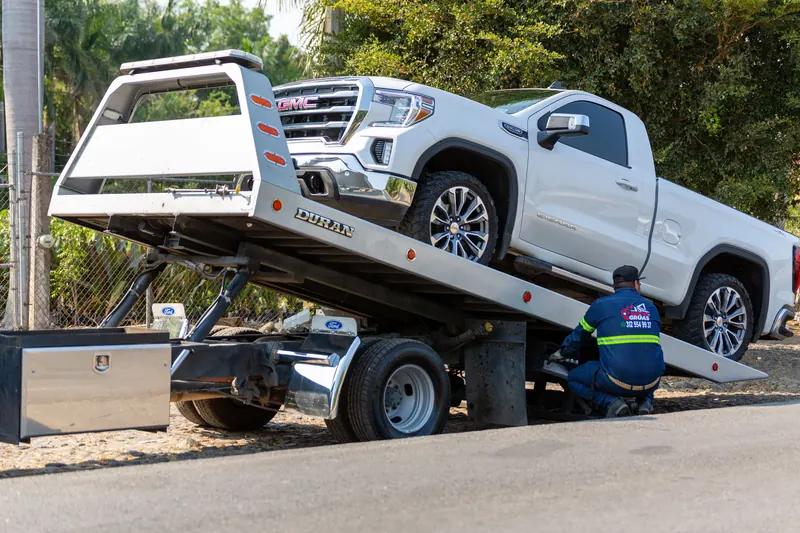
Door-to-Door Service
We pick up and deliver as close to your address as safely possible, on both ends of the move.
Learn more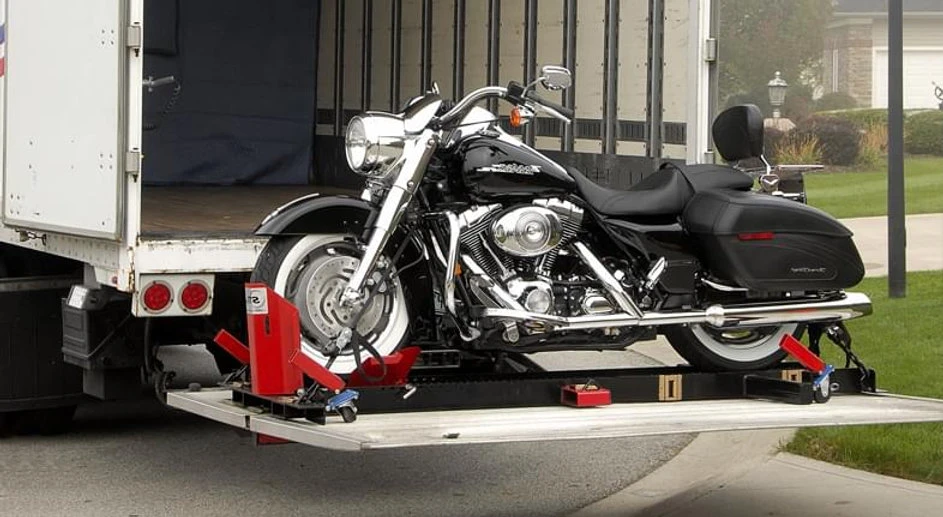
Motorcycle Shipping
Specialized crating, soft-strapping and secure handling for bikes of every make and model.
Learn more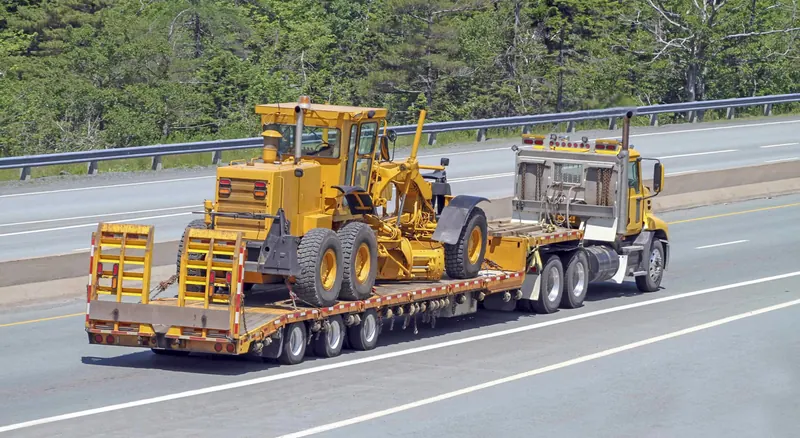
Heavy Equipment Hauling
Flatbed and lowboy transport for construction machinery, tractors and oversized loads.
Learn more
Luxury & Exotic Transport
White-glove, climate-controlled enclosed shipping with extra care for high-value vehicles.
Learn moreAuto transport at each end of your route
Other routes we run regularly
California to Florida shipping FAQs
Ship from California to Florida
Get a free, all-inclusive quote for the California to Florida route today.