
New Mexico to Texas Auto Transport
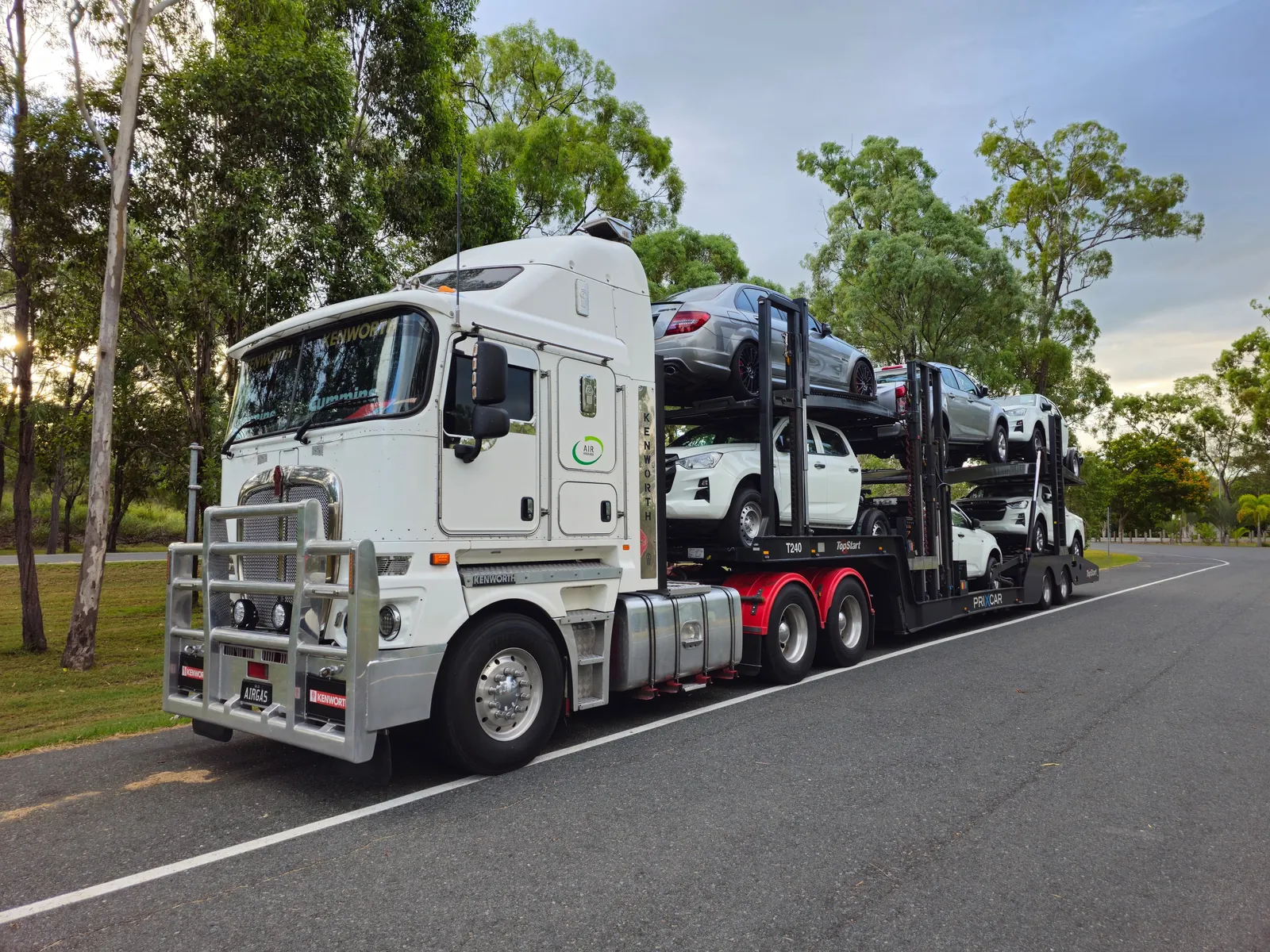
Door-to-door car shipping from New Mexico to Texas on open and enclosed carriers, the busiest lane out of the state and one that runs all year.
Neptune Auto Transport arranges car shipping from New Mexico to Texas door to door, on open and enclosed carriers, with the assigned carrier’s cargo insurance verified before loading and one all-inclusive price agreed up front. This is the highest-volume direction out of New Mexico, and the first thing worth settling is which of three very different roads your vehicle will actually take.
Three roads out of New Mexico, not one
Most state-to-state lanes have a single obvious corridor. This one has three, and which applies to you depends entirely on where in New Mexico the car is starting.
- I-10 through El Paso. From Las Cruces, Deming, Lordsburg or anywhere in the southern third of the state, the road is I-10 east, and El Paso is 45 miles from Las Cruces. From there it is either I-20 northeast toward Midland, Odessa, Abilene and the Dallas-Fort Worth metroplex, or I-10 continuing through Van Horn and Fort Stockton to San Antonio and Houston. This is the busiest of the three and the easiest to get dispatched.
- US 285 and US 62/180 into the Permian. From Roswell, Artesia, Carlsbad, Hobbs or Lovington, the natural direction is east into West Texas, not west toward Albuquerque. Hobbs to Midland is only about 110 miles. Carlsbad to Midland is roughly 150. For the southeast corner of New Mexico, Texas is the near market and the rest of its own state is the far one.
- I-40 through Amarillo. From Albuquerque, Santa Fe, Santa Rosa, Tucumcari or Gallup, the road east is I-40 to Amarillo, then US 287 southeast through Wichita Falls into Fort Worth and Dallas. Clovis and Portales sit off I-40 to the south and usually connect through Amarillo or Lubbock, which is why the eastern plains price and schedule more like Texas panhandle moves than New Mexico ones.
The New Mexico to Texas route at a glance
Distances are approximate driving miles. Transit figures are corridor planning windows once your vehicle is loaded, based on standard carrier scheduling. They are not measured Neptune averages and they are not guaranteed delivery dates, and they do not include the dispatch window before pickup.
| Route | Distance | Estimated Transit |
|---|---|---|
| Las Cruces → El Paso | ~45 mi | 1 day |
| Albuquerque → El Paso | ~265 mi | 1–2 days |
| Albuquerque → Amarillo | ~285 mi | 1–2 days |
| Albuquerque → Lubbock | ~320 mi | 1–3 days |
| Hobbs → Dallas | ~415 mi | 1–3 days |
| Las Cruces → San Antonio | ~570 mi | 2–3 days |
| Albuquerque → Fort Worth | ~615 mi | 2–4 days |
| Las Cruces → Dallas | ~640 mi | 2–4 days |
| Albuquerque → Dallas | ~650 mi | 2–4 days |
| Albuquerque → Austin | ~700 mi | 2–4 days |
| Las Cruces → Houston | ~750 mi | 2–4 days |
| Albuquerque → Houston | ~880 mi | 3–5 days |
Why this lane runs
New Mexico to Texas is not a seasonal corridor. It carries traffic in every month, and the reasons are structural rather than weather-driven.
The Permian Basin crosses the state line. Lea and Eddy counties sit over the New Mexico side of the same oil field as Midland and Odessa. The workforce moves with drilling activity rather than with the calendar, and it moves east and west across that line constantly. Work trucks and personal vehicles both.
Military transfers. New Mexico hosts Kirtland, Holloman, Cannon and White Sands Missile Range. Texas hosts Fort Bliss in El Paso, Fort Cavazos, Lackland and Randolph around San Antonio, Dyess at Abilene and Sheppard at Wichita Falls. Military PCS vehicle transport between the two runs all year on orders that rarely suit a convenient pickup date.
Corporate relocation. Dallas-Fort Worth, Houston and Austin absorb people from across the Southwest, and New Mexico is a steady contributor. These moves cluster around start dates rather than seasons.
Universities. Texas students at the University of New Mexico and New Mexico State go home in May and return in August, and the flow reverses in the other direction at the same times. College student car shipping is the busiest single fortnight on this lane.
Dealer and auction volume. Dallas and Houston are among the largest wholesale auction markets in the country, and New Mexico dealers buy into them. Dealer and auction transport moves single units and small batches on this corridor most weeks.
The New Mexico end decides your pickup window
Getting a truck to Texas is almost never the problem on this lane. Getting it to your New Mexico address sometimes is, and that is what sets your schedule.
Pickups in Las Cruces, Deming and the I-10 towns are the quickest in the state, because the same trucks are working the El Paso market. Albuquerque and Rio Rancho are next, at the I-25 and I-40 crossing. Santa Fe is straightforward to reach on I-25 but can be awkward at the actual address, since the older streets will not take a full-size carrier and a nearby meet gets arranged instead.
The southeast corner is a special case worth understanding. Roswell, Carlsbad and Hobbs are off the interstate system, but they connect east into Texas rather than west into New Mexico, so a Texas-bound shipment from there is often easier to place than a California-bound one. Farmington and Gallup are the opposite: a Texas run from the northwest has to come down US 550 or across I-40 first, and a wider pickup window makes a real difference.
The Texas end is straightforward
Delivery is the easy half. El Paso sits directly on I-10. Amarillo and Lubbock are on the panhandle roads the I-40 traffic already uses. Dallas-Fort Worth, Houston, Austin and San Antonio are all major metros with dense carrier coverage and plenty of staging room. Midland and Odessa are on I-20 with constant oilfield freight moving through.
The places that need a little more notice are rural Hill Country addresses west of Austin and San Antonio, deep East Texas, and gated communities anywhere in the DFW suburbs. In all of those the answer is the same as anywhere else: the driver arranges a short meet at a large lot on a main road, at no extra cost. Texas auto transport has the statewide detail.
Weather on this corridor
Two things actually stop trucks here, and neither is what people expect from a desert route.
Spring dust storms on I-10 between Lordsburg and Las Cruces close the highway outright, most often between March and May. A loaded car carrier is a very large sail, and drivers wait them out rather than run them. Winter is the other one, and it is the I-40 and panhandle side rather than the south: ice storms around Tucumcari and Amarillo can shut that corridor for a day at a time. Gulf hurricane season, roughly June through November, occasionally affects the Houston end.
Open or enclosed on this lane
Open carrier transport is what most customers book and what runs this corridor in volume. For a standard daily driver it is the sensible default.
Enclosed transport is easier to arrange on this lane than on most New Mexico routes, because Dallas and Houston have real enclosed carrier density and those trucks need westbound loads. If you are shipping a classic, an exotic or a high-value vehicle, this is one of the better New Mexico corridors to do it on. Open vs enclosed auto transport covers the trade-off, and the return direction is on our Texas to New Mexico auto transport page.
Nationwide transport for every kind of vehicle
Whatever you drive and wherever it needs to go, Neptune has a shipping solution built for it. Explore our most-requested services.
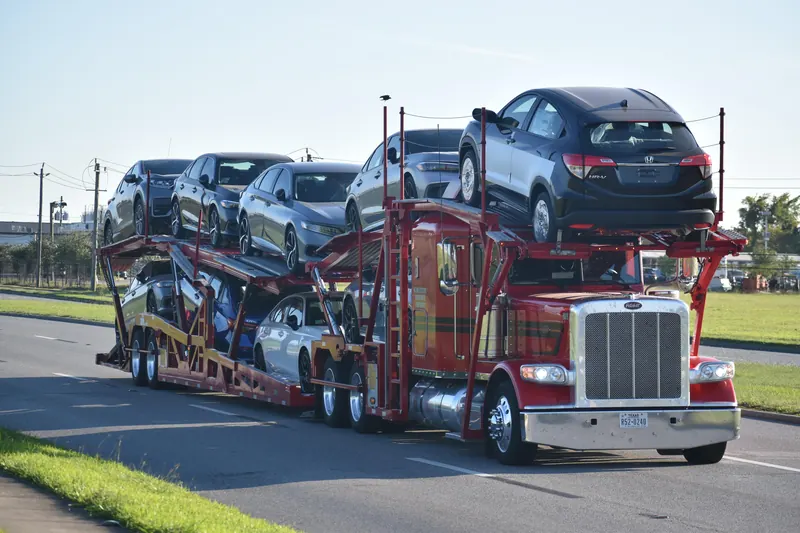
Open Carrier Transport
Our most popular and affordable way to ship: your vehicle travels on a professional open auto carrier.
Learn more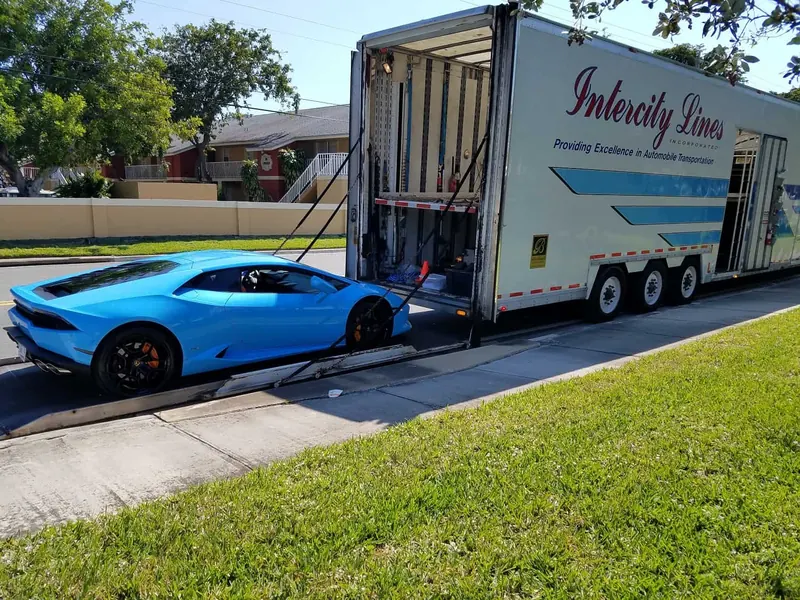
Enclosed Auto Transport
Fully covered protection from weather and road debris, ideal for luxury, exotic and classic cars.
Learn more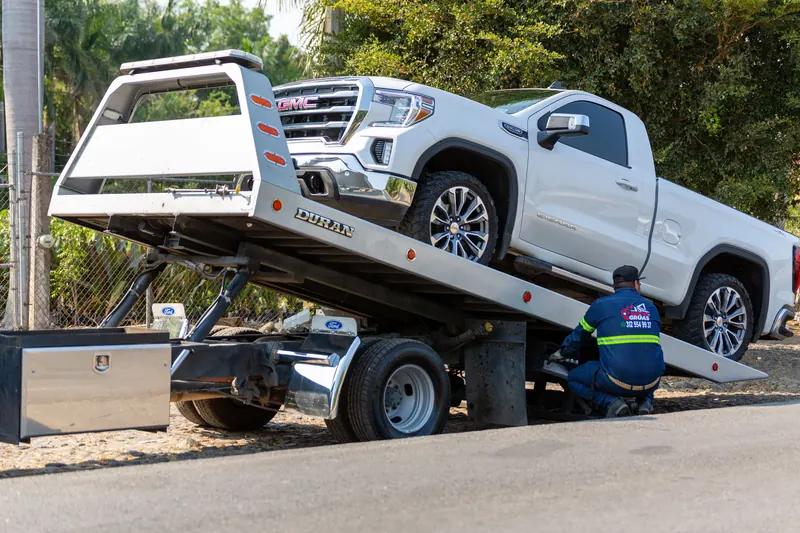
Door-to-Door Service
We pick up and deliver as close to your address as safely possible, on both ends of the move.
Learn more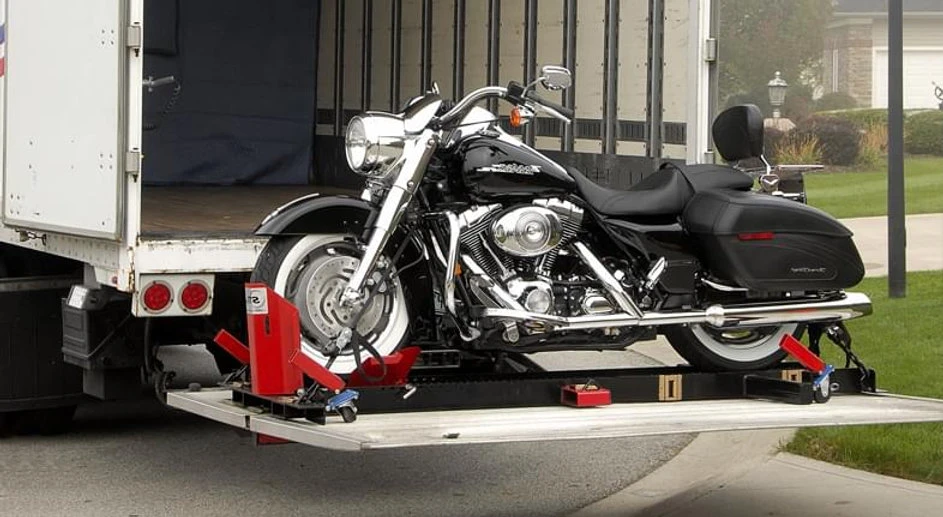
Motorcycle Shipping
Specialized crating, soft-strapping and secure handling for bikes of every make and model.
Learn more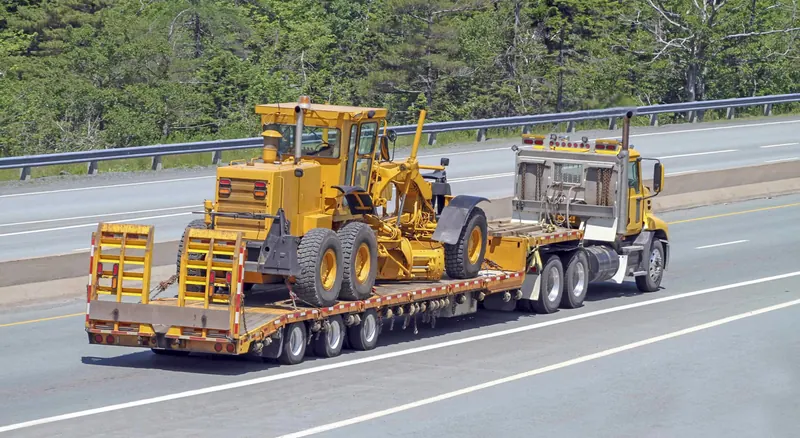
Heavy Equipment Hauling
Flatbed and lowboy transport for construction machinery, tractors and oversized loads.
Learn more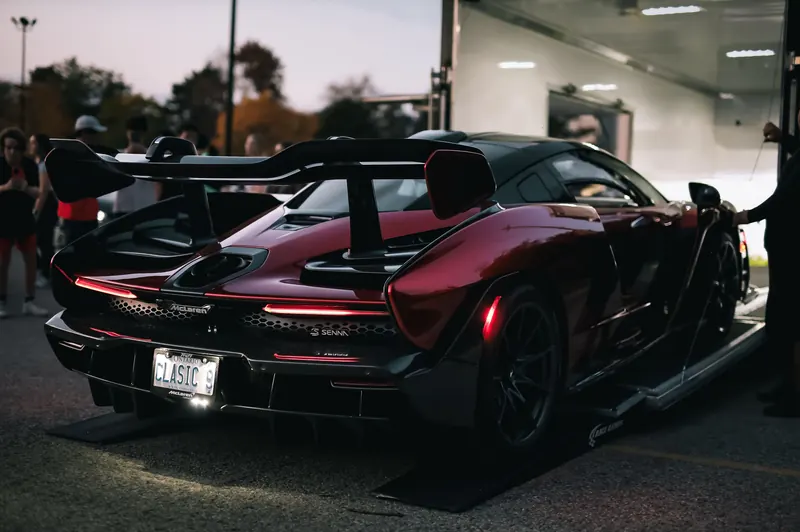
Luxury & Exotic Transport
White-glove, climate-controlled enclosed shipping with extra care for high-value vehicles.
Learn moreAuto transport at each end of your route
Pickup detail for the New Mexico end and delivery detail for the Texas end, including the cities we cover on each side.
Cities we collect from in New Mexico
Cities we deliver to in Texas
Other routes we run regularly
New Mexico to Texas shipping FAQs
Ship your car from New Mexico to Texas
Get a free, all-inclusive quote for the New Mexico to Texas route.