
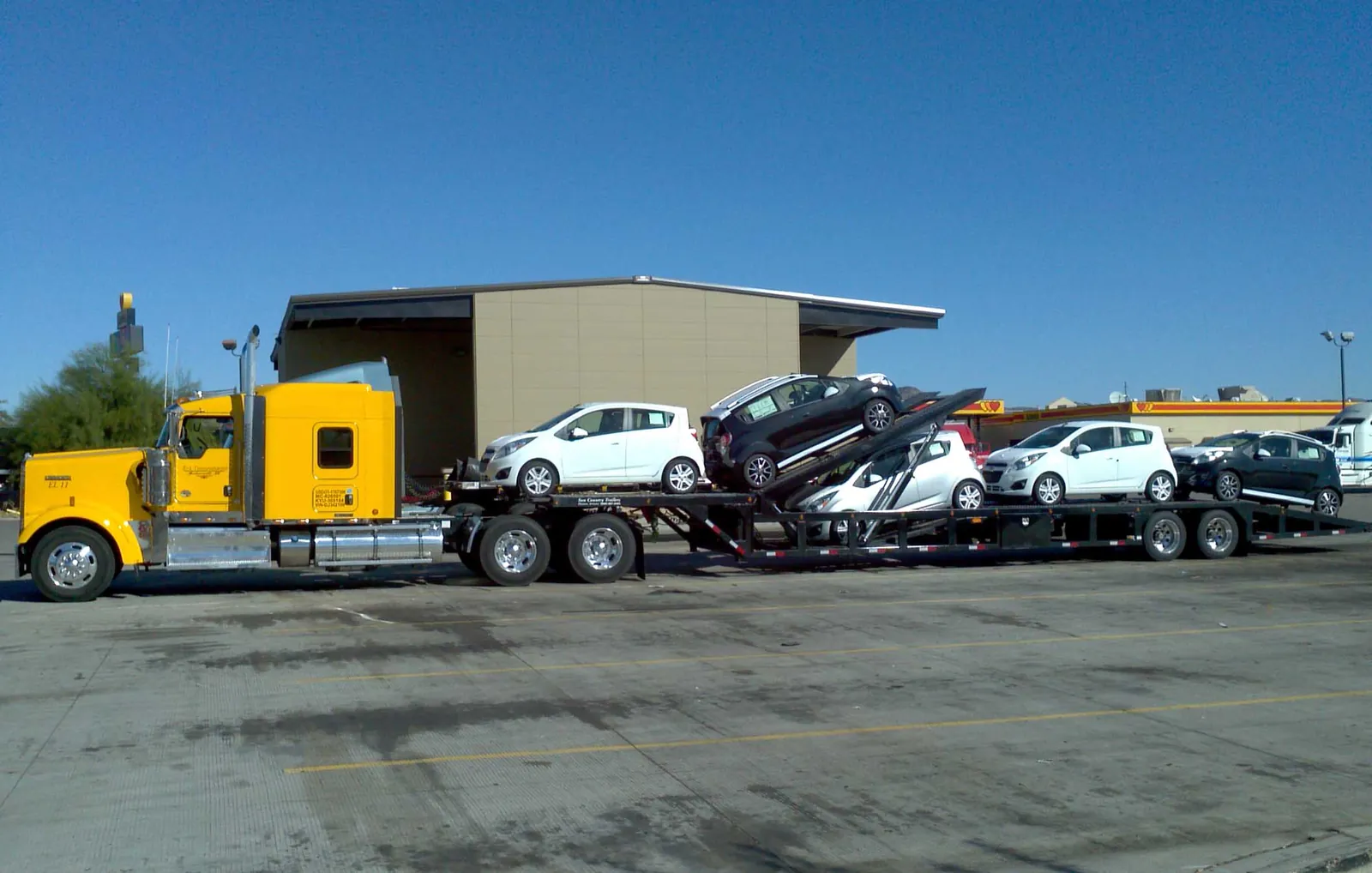
Santa Fe, NM Car Shipping & Auto Transport
Door-to-door car shipping to and from Santa Fe on open and enclosed carriers, with a nearby meet arranged wherever the old streets will not take a full-size truck.
Santa Fe sits at roughly 7,000 feet on streets that were laid out four centuries before anyone imagined a 75-foot car carrier, and those two facts shape almost every pickup here. Neptune Auto Transport arranges Santa Fe car shipping and auto transport door to door, on open and enclosed carriers, between Santa Fe and the other 47 contiguous states, with the assigned carrier’s cargo insurance verified before loading and one all-inclusive price agreed up front.
Getting a carrier into Santa Fe
Interstate 25 runs along the south and west edge of the city rather than through it, and that is the road every carrier uses. From I-25 the practical ways in are NM 599, the relief route that loops around the west side and is the only genuinely truck-friendly approach to the north end of town, Cerrillos Road, which carries most of the commercial traffic, St. Francis Drive, which becomes US 84 and 285 heading north, and Old Pecos Trail into the southeast quadrant.
North of the city, US 84 and 285 run to Española, with the turn for Los Alamos on NM 502. South, I-25 drops through La Cienega and on toward Albuquerque, about 65 miles away. The Turquoise Trail on NM 14 is the scenic route between the two, and no carrier uses it. Santa Fe Regional Airport handles limited service, so most people arriving here fly into the Albuquerque Sunport, which is one of the more common reasons a car gets shipped ahead rather than driven.
The practical consequence for scheduling is that trucks come to Santa Fe on I-25, and I-25 is a corridor with real traffic. Pickup windows here are shorter than most of northern New Mexico. Getting the truck to the actual address is the part that takes planning.
Neighborhoods and carrier access
Santa Fe splits cleanly into places a full-size carrier can reach and places it cannot, and knowing which one you are in before you book saves a rescheduled pickup.
Straightforward. The Cerrillos Road corridor, Airport Road, Rodeo Road, Zafarano and the newer subdivisions on the south and southwest sides are wide, commercial and easy. Large parking lots along Cerrillos and around Santa Fe Place give a driver somewhere to stage. Most doorstep pickups in the city happen in this half.
Not straightforward. Downtown, the Plaza, Canyon Road and the east side are the oldest part of the city: narrow, partly one-way, walled on both sides, and in places still unpaved. A 75-foot truck cannot turn around, let alone load. The same applies to the lanes off Acequia Madre and Camino del Monte Sol. Expect to meet the driver on a main road, which is normal here and costs nothing extra.
Long private drives. Eldorado, roughly 15 miles southeast off US 285, along with Tesuque, Las Campanas, La Tierra and Sierra del Norte, all have gates, dirt or gravel driveways and turnarounds a car hauler will not fit. Tell your specialist at quote time if your driveway is unpaved or longer than a couple of hundred feet, and the driver will plan a meet point rather than discover the problem on arrival.
Not a carrier road. Hyde Park Road up to the ski basin is a sustained climb of switchbacks. Nothing loaded goes up it.
What moves cars in and out of Santa Fe
Santa Fe generates a different mix of shipments from anywhere else in New Mexico, and it is worth understanding because it changes what equipment is available and when.
- State government. Santa Fe is the capital, and the Roundhouse and the state agencies around it bring people in on their own hiring cycle rather than a seasonal one.
- Los Alamos National Laboratory. The lab is about 35 miles northwest, and a large share of its workforce lives in Santa Fe, Pojoaque and White Rock rather than on the hill. Relocations into those communities are a steady source of inbound vehicles.
- The art market. Santa Fe supports one of the largest art markets in the country, concentrated on Canyon Road and around the Plaza. Indian Market in August, Spanish Market in July and the opera season through midsummer bring in dealers, collectors and their vehicles, and collector cars move with them.
- Part-time residents. A meaningful part of the housing stock here is second homes. Cars get shipped in for the summer and out again in the fall, which is the reverse of the usual Sunbelt pattern and puts the local peak at a different time from Las Cruces or Phoenix.
- Ski season. Ski Santa Fe up Hyde Park Road and the Taos and Angel Fire areas north of here pull traffic in from December through March.
- Colleges. St. John’s College, the Institute of American Indian Arts and Santa Fe Community College are small compared with a state flagship, but they still put student car shipping on the calendar in August and May.
Open or enclosed from Santa Fe
Open carrier transport is the right answer for most vehicles leaving or entering Santa Fe, and it is the equipment that actually runs I-25 in volume. If your car is a daily driver, open transport handles the trip the same way driving it would.
Santa Fe does book a higher share of enclosed transport than the rest of New Mexico, because of the collector and gallery market and the number of high-value vehicles in the county. If you are shipping a classic, an exotic, a low-clearance car or something with fresh paint, enclosed is the sensible choice, and our classic car transport and luxury and exotic transport pages cover how those moves are handled.
The scheduling caveat matters more here than the price does. Enclosed trailers are a small fraction of the national fleet and a smaller fraction of what crosses northern New Mexico, so an enclosed pickup in Santa Fe usually needs a week or more of notice, and considerably more if it also has to come up a private drive. Book early rather than paying for expedited service to fix a late booking. Open vs enclosed auto transport works through the trade-off in full.
Santa Fe routes and how long they take
Distances below are approximate driving miles and the day ranges are corridor planning windows once your vehicle is loaded, based on standard carrier scheduling. They are not measured Neptune averages and they are not guaranteed delivery dates. Add a dispatch window before pickup, which on the I-25 corridor usually runs a few days.
| Route | Distance | Estimated Transit |
|---|---|---|
| Santa Fe → Denver, CO | ~390 mi | 1–3 days |
| Santa Fe → Phoenix, AZ | ~480 mi | 2–3 days |
| Santa Fe → Dallas, TX | ~640 mi | 2–4 days |
| Santa Fe → Los Angeles, CA | ~850 mi | 3–5 days |
| Santa Fe → Chicago, IL | ~1,290 mi | 4–6 days |
| Santa Fe → New York, NY | ~1,940 mi | 6–9 days |
Denver is the shortest of the busy lanes, straight up I-25, and the one thing worth knowing about it is Raton Pass. The pass tops 7,800 feet at the Colorado line and goes under high-profile vehicle restrictions before it closes outright in a winter storm, which can hold a northbound carrier for a day or two in January and February. Westbound moves generally drop to Albuquerque first and pick up I-40. Eastbound runs I-25 south then across, or I-40 through Santa Rosa and Amarillo; see New Mexico to Texas auto transport for that corridor in full. The New Mexico auto transport page has the full corridor detail, and long hauls are handled as cross-country transport.
How a Santa Fe pickup actually works
Send the pickup and delivery ZIP codes, the vehicle year, make and model, whether it runs, and your earliest available date through the quote form. A specialist prices the actual corridor and calls you back; there is no instant calculator, and nothing is collected until a specific carrier has accepted the shipment.
Once a truck is assigned, we verify its operating authority, safety rating and current cargo insurance certificate before it is confirmed. The driver calls ahead, usually the day before and again when close. If your address is one of the ones described above that will not take a full-size truck, this is when the meet point gets agreed, normally a large lot on Cerrillos Road or another main arterial near you.
At the truck, walk the vehicle with the driver and sign the bill of lading, which records its condition at loading. Photograph it yourself first. At delivery, inspect it against that same document in daylight before you sign, because the signed delivery inspection is what any claim rests on. How to prepare your car for shipping covers the rest of the checklist.
Nationwide transport for every kind of vehicle
Whatever you drive and wherever it needs to go, Neptune has a shipping solution built for it. Explore our most-requested services.
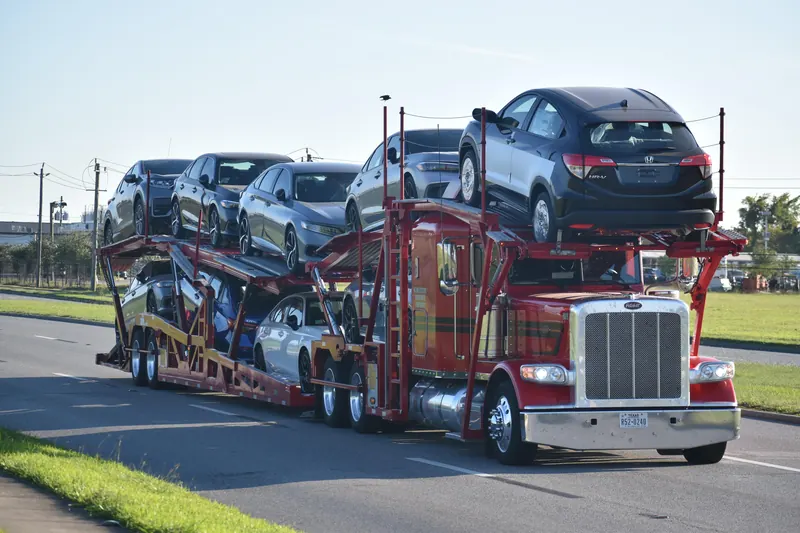
Open Carrier Transport
Our most popular and affordable way to ship: your vehicle travels on a professional open auto carrier.
Learn more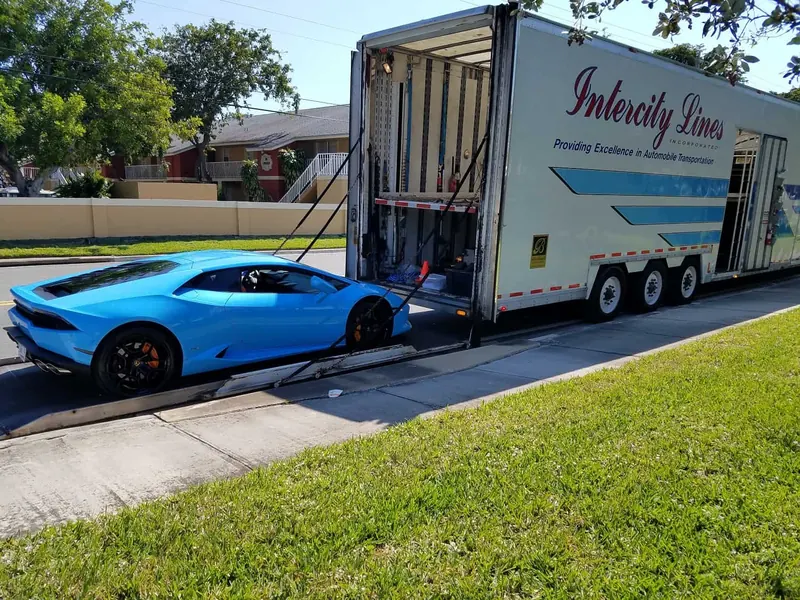
Enclosed Auto Transport
Fully covered protection from weather and road debris, ideal for luxury, exotic and classic cars.
Learn more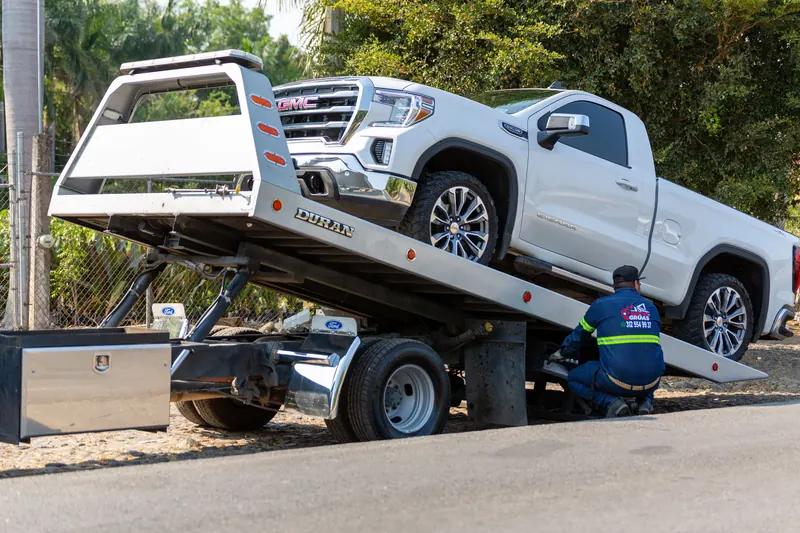
Door-to-Door Service
We pick up and deliver as close to your address as safely possible, on both ends of the move.
Learn more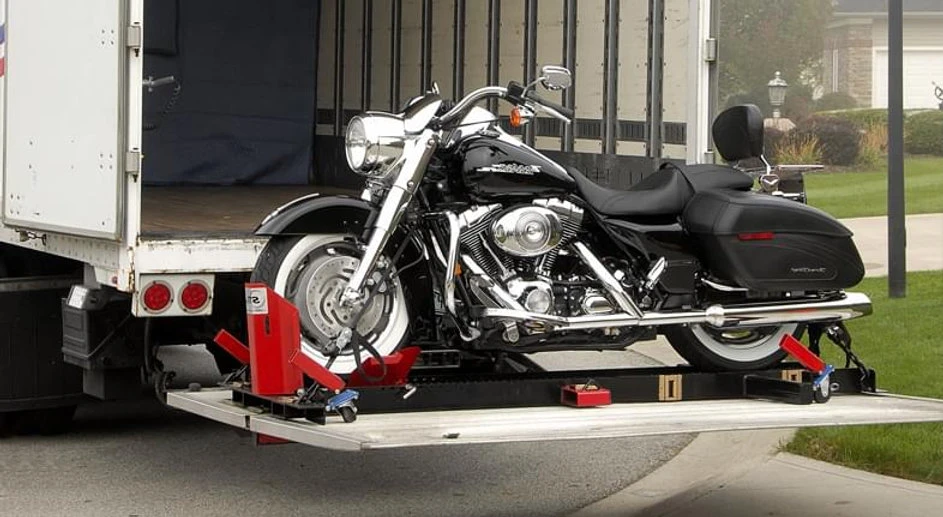
Motorcycle Shipping
Specialized crating, soft-strapping and secure handling for bikes of every make and model.
Learn more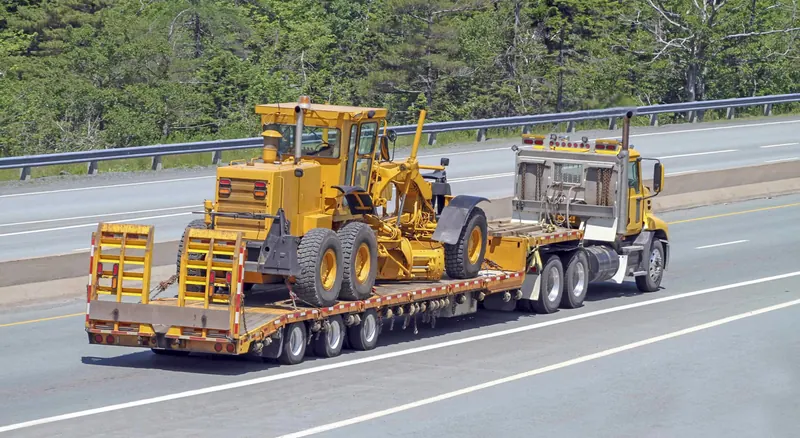
Heavy Equipment Hauling
Flatbed and lowboy transport for construction machinery, tractors and oversized loads.
Learn more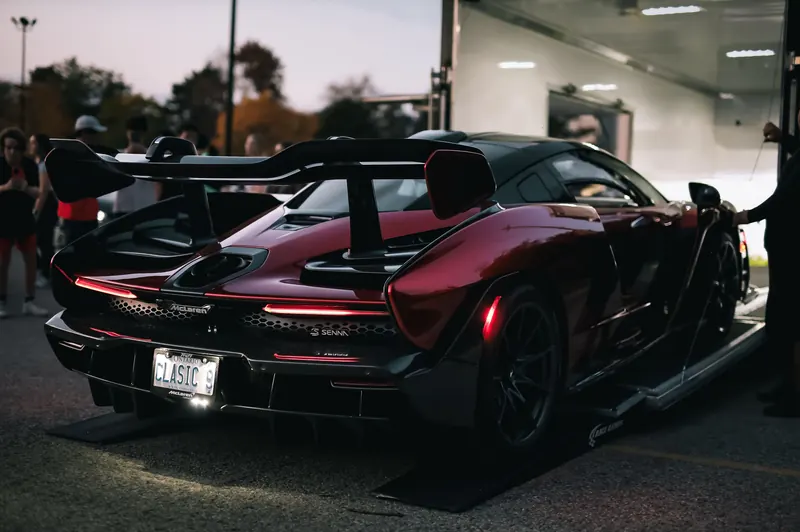
Luxury & Exotic Transport
White-glove, climate-controlled enclosed shipping with extra care for high-value vehicles.
Learn moreCar shipping throughout New Mexico
Santa Fe is one of many New Mexico communities we cover. The statewide page has the regional detail, the corridor routes and the cost factors that apply across the whole state.
Other New Mexico cities we serve
Santa Fe sits about 65 miles up I-25 from the state’s largest market, and a carrier working one of the two almost always passes the other. Albuquerque car shipping covers the metro at the I-25 and I-40 crossing, and Las Cruces auto transport covers the southern end of the same interstate, 285 miles down the road.
Routes from Santa Fe
New Mexico to Texas is the busiest lane out of the state and runs year-round in both directions. The statewide page covers the Arizona, Colorado, California, Midwest and East Coast corridors in the same detail.
Rio Rancho, Roswell, Farmington, Clovis, Hobbs, Alamogordo, Carlsbad, Gallup, Los Alamos, Taos, Socorro and the smaller communities across the state are covered from the same carrier network. The New Mexico auto transport page breaks the state down region by region and covers the corridors, the cost factors and the transit windows that apply to each.
Santa Fe car shipping FAQs
Ship your car to or from Santa Fe
Get a free, all-inclusive Santa Fe car shipping quote.