
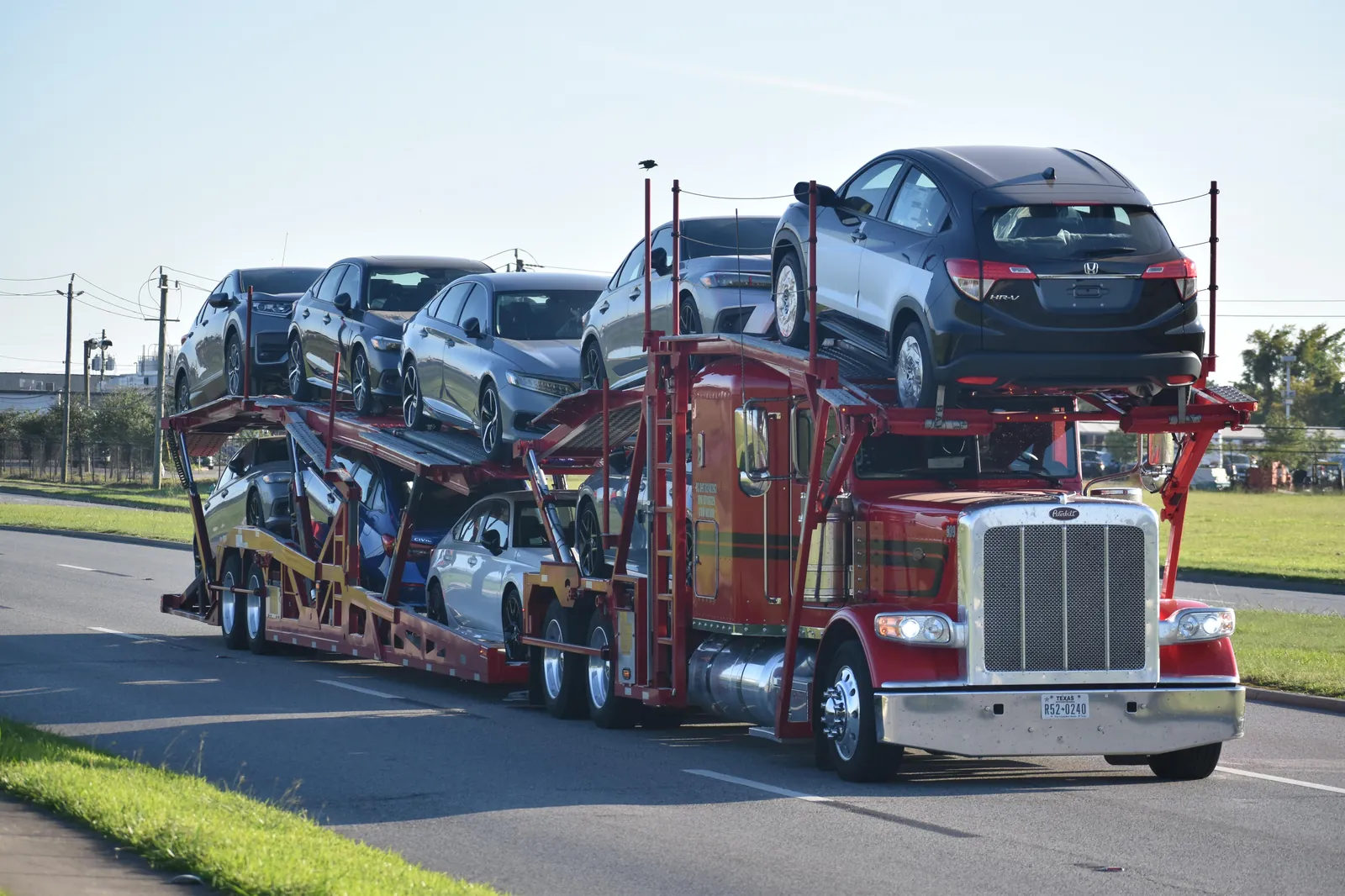
Texas to California Auto Transport
Reliable, insured, door-to-door car shipping from Texas to California. About 2–4 days in transit once loaded, plus a 2–5 business day pickup window.
The Texas to California corridor is a well-traveled westbound corridor, and Neptune Auto Transport arranges door-to-door vehicle shipping along it year round.
The Texas to California route at a glance
Texas to California is roughly 1,440 miles by road, most of it along Interstate 20 and Interstate 10. Heading west from the Dallas and Houston metros, this lane crosses West Texas and the desert Southwest through El Paso and Phoenix into California. It is a major freight corridor, so carriers are readily available. There is a reasonable pool of carriers working this corridor in both directions, though what is available on your particular dates, for your vehicle and at your exact addresses, still varies.
Shipping a car from Texas to California
Whether you are relocating, buying or selling a vehicle across state lines, or sending a car to family, we handle the entire Texas to California journey door-to-door. You hand over the keys at the Texas end and receive your vehicle at the California end, with no terminals and no hassle.
Texas to California Shipping Insights
The figures below come from Neptune Auto Transport's own completed Texas to California shipments. Westbound is not simply the eastbound lane reversed, and the data shows exactly where the two differ.
What customers ship on this route
| Vehicle type | Share of historical shipments |
|---|---|
| Cars and sedans | 60% |
| SUVs and crossovers | 32% |
| Pickup trucks | 7% |
| Trailers | 1% |
Cars and SUVs carry the lane, with pickups a steady minority. Most vehicles travel on open carriers; enclosed transport is the usual choice for low-clearance, restored or high-value vehicles.
Where vehicles are collected and delivered
| Pickup area | Share of historical pickups |
|---|---|
| Dallas-Fort Worth | 40% |
| Houston Metro | 35% |
| Austin Metro | 7% |
| San Antonio Metro | 7% |
| West Texas and the Panhandle | 3% |
| Other areas | 8% |
| Delivery area | Share of historical deliveries |
|---|---|
| Greater Los Angeles | 38% |
| Bay Area | 20% |
| San Diego County | 13% |
| Orange County | 7% |
| Inland Empire | 7% |
| Other areas | 15% |
The clearest finding is an asymmetry. San Diego County receives a substantially larger share of westbound deliveries than it contributes to eastbound pickups, so demand into San Diego is real in a way the reverse direction does not show. Dallas-Fort Worth edges Houston as the leading origin, the mirror of what we see arriving from California, and Greater Los Angeles takes close to four in ten deliveries. This is why we price and schedule the two directions separately rather than quoting one as the reverse of the other.
Historical transit times on this lane
Based on Neptune Auto Transport's historical shipment data for this lane, the median loaded transit time was 3 days, and approximately eight out of ten completed shipments arrived within 2 to 4 days after pickup. Actual transit times vary with the specific origin and destination, carrier availability, weather, traffic and access at the delivery address, so these figures describe past shipments and are not a guaranteed delivery time.
How these figures were calculated
These insights are based on aggregated Neptune Auto Transport shipment records for vehicles collected between June 2022 and August 2026. Percentages describe the share of shipments in each group, are rounded to the nearest whole number, and may not total exactly 100. Pickup and delivery areas are grouped by postal region. Transit figures use only shipments with a confirmed pickup and delivery date, and are measured from the day a carrier collects the vehicle to the day it is delivered, so they exclude the pickup window that comes first.
Everything here is aggregated: no individual shipment, customer, address or price is shown or implied. Historical results are provided for information only and do not guarantee future transit times, pricing or service availability.
How long does the Texas to California route take?
Two separate figures decide when your car arrives. Once it is loaded, budget roughly 2–4 days in transit: a driver covers about 400 miles on a typical day, because federal hours-of-service rules cap driving time and a loaded carrier is slower than a car, so 1,440 miles is around 4 days of driving, with the balance covering the other vehicles on the truck and their delivery order. Before any of that, a standard pickup window of 2–5 business days runs from booking to collection.
Your delivery date is the pickup date plus the transit days, which is why we quote the two separately. The transit clock starts when the car is loaded, not when you book, so a collection at the later end of its window, or late in the day, moves the arrival with it. Weather and where your vehicle sits in the truck's drop order can shift it further, so we give a delivery window rather than a fixed date. If your dates are firm, ask about expedited service to tighten the pickup end.
Open or enclosed transport for this route
An open carrier is the standard and more economical choice westbound. The vehicle crosses a long stretch of desert, so expect dust on arrival, cosmetic, and a wash handles it.
Enclosed transport is worth pricing for classic cars, luxury and exotic vehicles, recent restoration work and low-clearance cars needing lift-gate loading. Enclosed capacity is thinner than open, so allow more lead time if you choose it.
Why people ship cars from Texas to California
Westbound moves on this corridor have a different mix of reasons from the eastbound direction.
- Job relocation. Moves into the Los Angeles basin, San Diego and the Bay Area, often with a household shipping one vehicle and driving another.
- Returning residents and family moves. Vehicles going back to California after a period away, or being sent to family members there.
- Remote purchases. Trucks and SUVs are well represented in the Texas market, and buyers in California frequently have them delivered rather than flying out to drive them back.
- Military moves. Both states have major installations, and reporting dates rarely align with carrier schedules. See military vehicle transport.
How much does it cost to ship a car from Texas to California?
Vehicle size is worth flagging on this lane in particular: full-size pickups and large SUVs are common on westbound Texas loads, and they take more deck space and weight allowance than a sedan, which is reflected in the quote. Running condition matters too, since a non-runner needs a carrier with a winch.
The other levers are the ones you control, open or enclosed service, and how flexible you can be on the pickup date. Access at both ends contributes as well, and the California end is often the more constrained of the two.
Timing is an estimate. Summer heat across the desert Southwest shapes how drivers schedule their days, and carrier routing plus the existing delivery order on the truck determine where your vehicle sits in the sequence. We quote a window rather than a guaranteed arrival date.
Direction matters on this corridor, and not symmetrically. Across the same twelve months, the median westbound tariff into California ran below the median eastbound into Texas. Carrier supply differs by direction, so a quote in one direction is not the other one reversed.
What customers actually paid
These are tariffs from Neptune's own Texas to California shipments, not estimates. Cars and SUVs picked up in the twelve months to 25 August 2026, 25 shipments:
| Measure | All-inclusive tariff |
|---|---|
| Most shipments fell between | $750 and $1,350 |
| Median | $950 |
Read these as history, not as a quote. They cover cars and SUVs only; pickups, vans and oversized loads sit higher. They mix open and enclosed transport, because our dispatch records carry no transport-type field, and enclosed sits at the top of the range. They also predate your dates. A specialist prices the actual corridor, your actual vehicle and your actual dates, and the figure you are given is all-inclusive. Our cost calculator shows how this lane compares with the rest of the country. Request a free quote, or see how much it costs to ship a car for the wider picture.
How the route is typically planned
Carriers leaving the Dallas–Fort Worth area generally run west on Interstate 20 until it meets Interstate 10 in West Texas, while trucks starting in Houston, Austin or San Antonio usually pick up I-10 directly. From there the lane runs through El Paso, Las Cruces, Tucson and Phoenix before dropping into Southern California.
Vehicles bound for Northern California continue north after that, typically up Interstate 5 through the Central Valley toward Sacramento and the Bay Area, which adds several hundred miles beyond a Los Angeles delivery. Routing varies with what else is loaded and with conditions, but the corridor's character is consistent: long desert stretches, real summer heat and relatively few weather closures outside occasional winter storms in the high country of New Mexico and West Texas.
Pickup and delivery at each end
Door-to-door means the driver gets as close to your address as is safe and legal. Where a street cannot take a full-size carrier, the driver confirms a nearby meeting point with you before arrival.
Pickup in Texas
We collect statewide. See Texas auto transport. Dallas, Fort Worth, Houston, Austin and San Antonio sit on the main corridors, and El Paso is directly on the westbound line. Gated and HOA-managed neighborhoods are common in Texas suburbs and may require advance notice at the gate.
Delivery in California
We deliver across the state. See California auto transport. Vehicles arriving on I-10 reach Los Angeles, Long Beach and the Inland Empire first, with San Diego a short leg south. California delivery is where access most often needs planning: hillside streets, permit-only parking and low-clearance garages are common, and a meeting point on a wider nearby street is routine rather than exceptional. The eastbound direction is covered on our California to Texas page.
Nationwide transport for every kind of vehicle
Whatever you drive and wherever it needs to go, Neptune has a shipping solution built for it. Explore our most-requested services.
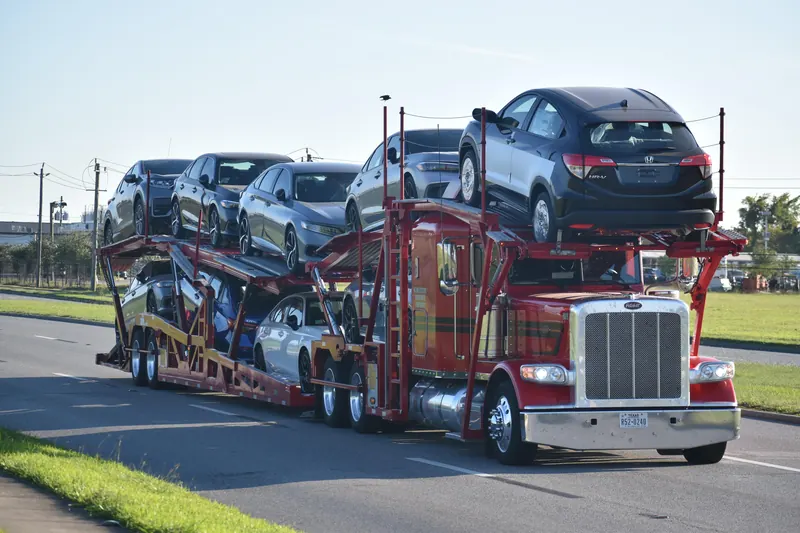
Open Carrier Transport
Our most popular and affordable way to ship: your vehicle travels on a professional open auto carrier.
Learn more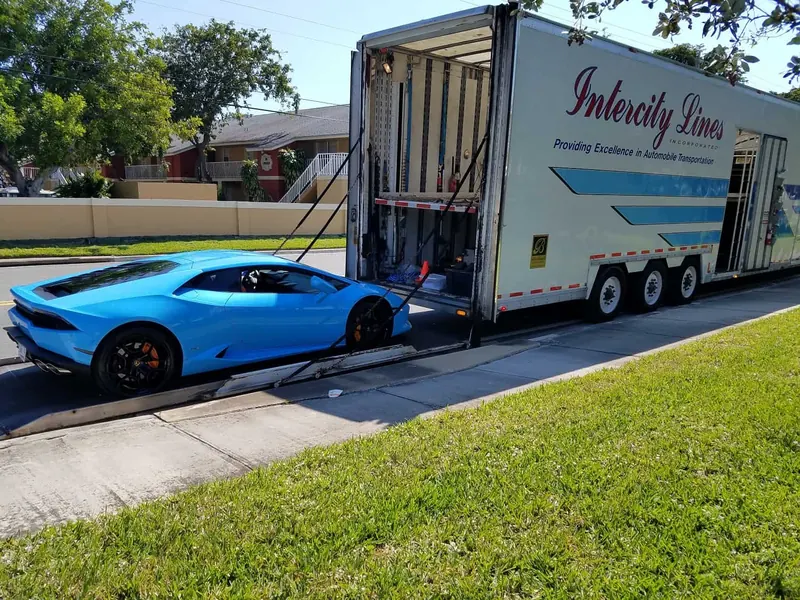
Enclosed Auto Transport
Fully covered protection from weather and road debris, ideal for luxury, exotic and classic cars.
Learn more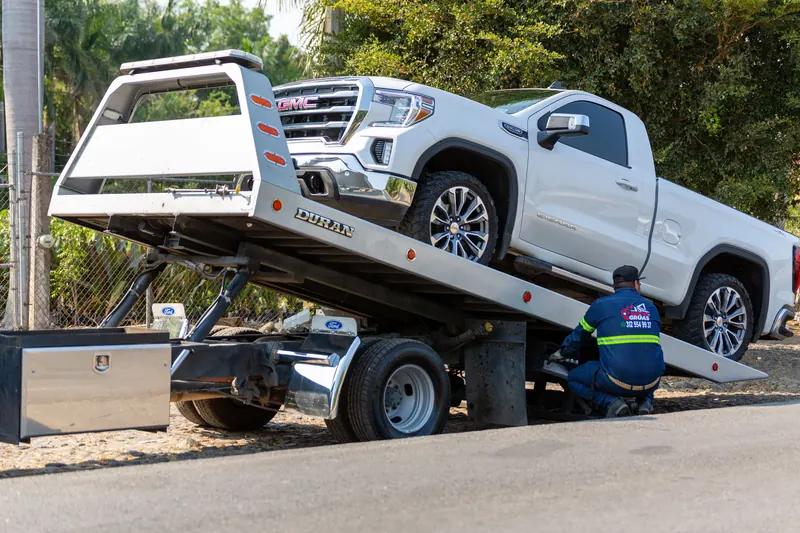
Door-to-Door Service
We pick up and deliver as close to your address as safely possible, on both ends of the move.
Learn more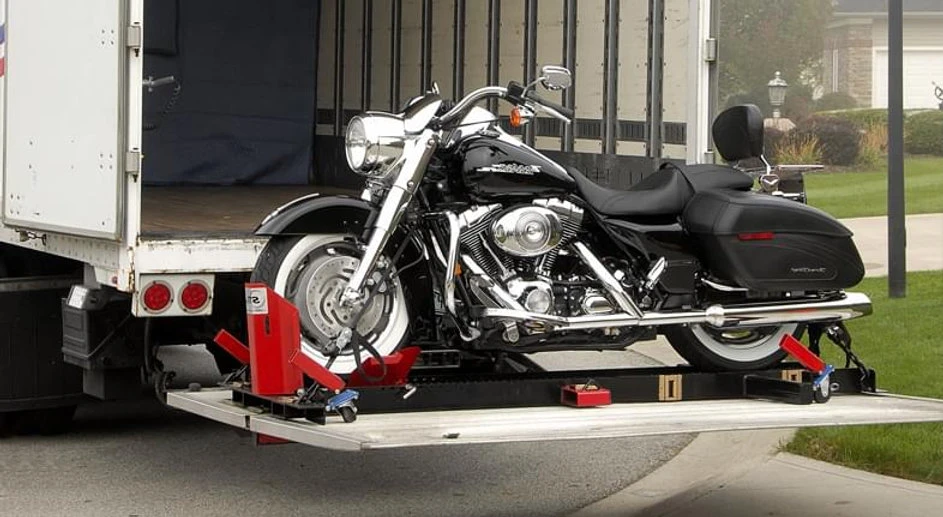
Motorcycle Shipping
Specialized crating, soft-strapping and secure handling for bikes of every make and model.
Learn more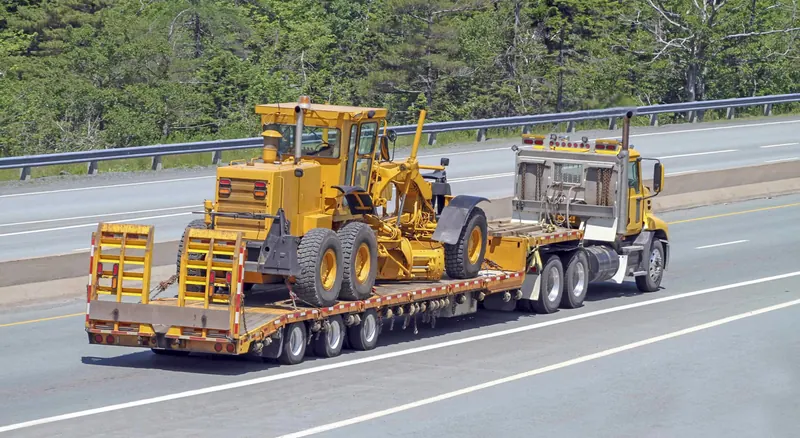
Heavy Equipment Hauling
Flatbed and lowboy transport for construction machinery, tractors and oversized loads.
Learn more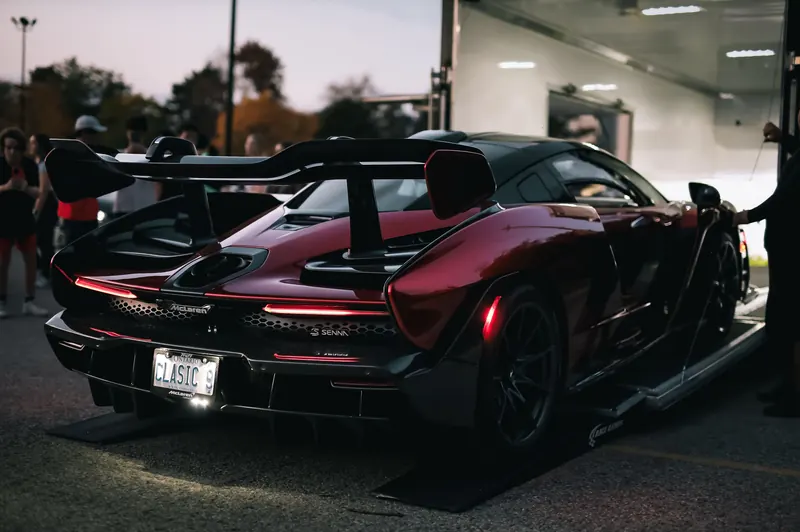
Luxury & Exotic Transport
White-glove, climate-controlled enclosed shipping with extra care for high-value vehicles.
Learn moreAuto transport at each end of your route
Other routes we run regularly
Texas to California shipping FAQs
Ship from Texas to California
Get a free, all-inclusive quote for the Texas to California route today.