
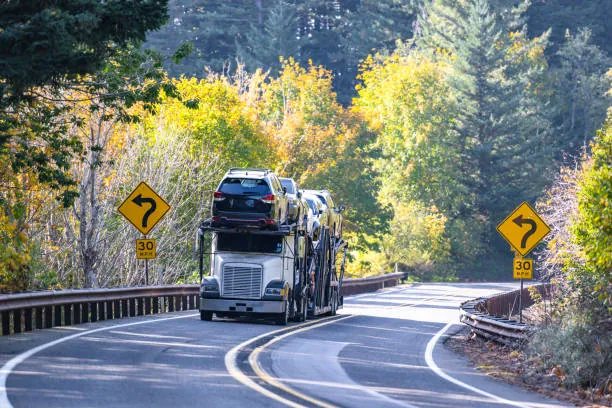
How to plan a coast-to-coast vehicle shipment around your move, with realistic timelines and money-saving tips.
Why ship instead of drive across the country
A cross-country drive sounds romantic until day three of five, when you are paying for hotels, eating at truck stops and adding two or three thousand miles to the odometer. Shipping lets you fly and arrive to a car that is already there, and it keeps the wear, the fuel and the risk off your own vehicle.
There is a second argument people miss. Long routes are where shipping is most efficient: the loading, inspection and paperwork are the same whether a car travels 400 miles or 2,800, so that fixed effort is spread across far more miles. The per-mile figure on a coast-to-coast move is the lowest of any lane we run.
How long a coast-to-coast shipment actually takes
Two separate numbers decide when your car arrives, and quoting them together is how timelines get missed.
First, a pickup window of two to five business days from booking to collection. Your vehicle is being fitted into a route a carrier is already running, and that is the window in which they reach you.
Then the transit itself. A loaded carrier covers roughly 400 miles on a typical day, because federal hours-of-service rules cap driving time and a full trailer is slower than a car. A 2,800 mile run is therefore around seven days of driving, with the balance covering the other vehicles on the truck and the order they come off in. Your delivery date is the pickup date plus the transit days, not the booking date plus the transit days.
Build a buffer. Do not schedule the car to arrive the same hour your flight lands.
The three corridors, and why the route matters
Coast-to-coast traffic runs on three main roads, and which one your vehicle takes changes the timing more than the distance suggests.
- I-80, the northern route. The most direct line between the Northeast and Northern California, and the one most affected by weather. From roughly December through February the mountain passes reduce how many carriers will commit to a firm date.
- I-40, the middle route. The classic east-west run, generally open year round and the most consistent choice for a winter move.
- I-10, the southern route. The desert corridor between the Southeast and Southern California. Reliable in winter; in high summer, heat shapes how drivers schedule the last leg.
You do not choose the corridor, the carrier does, based on the whole load. But knowing which one your lane sits on explains why a January quote and a June quote for the same route are not the same number.
Open or enclosed for the long haul
Most standard vehicles ship open, even coast to coast, and that is the sensible default. Open carriers are the same equipment dealers use to move new inventory, and there are far more of them, which means shorter pickup windows and better pricing.
Enclosed is worth considering on a long trip for luxury, exotic, classic or collector vehicles, because the exposure is cumulative: 2,800 miles of road spray and grit is a different proposition from 300. Enclosed costs meaningfully more, because the trailer holds fewer vehicles, the equipment is scarcer and the insurance requirements are higher.
What a cross-country move costs
Distance sets the floor, and after that the same factors apply as on any lane: vehicle size and weight, whether it runs, open or enclosed, how flexible your dates are, and the season. For real figures rather than an industry average, our car shipping cost guide publishes bands from Neptune's own dispatch records, including how an interstate move compares with a local one.
Your vehicle travels under the assigned carrier's cargo insurance, and we confirm that coverage before the vehicle is loaded.
Planning and saving on a long-distance move
- Book one to two weeks ahead. On a long route you are choosing from the carriers already heading that way. Booking for tomorrow means asking someone to build a trip around you.
- Keep the pickup window flexible. Two or three days of give consistently prices better than a single fixed date, on every lane we run.
- Give an accessible address. A full-size carrier is around 75 feet long. Where it cannot safely reach the door, the driver arranges a meeting point nearby at no extra charge, but an easy address is quicker to serve.
- Disclose everything at booking. A non-running vehicle, a lowered suspension or a roof rack all change which trailers can take it, and a surprise at pickup costs you the window.
- Ship in the shoulder seasons where you can. Late spring and early autumn avoid both the winter passes and the summer peak.
Tell Neptune your route and dates and we will handle the thousands of miles so you do not have to.