
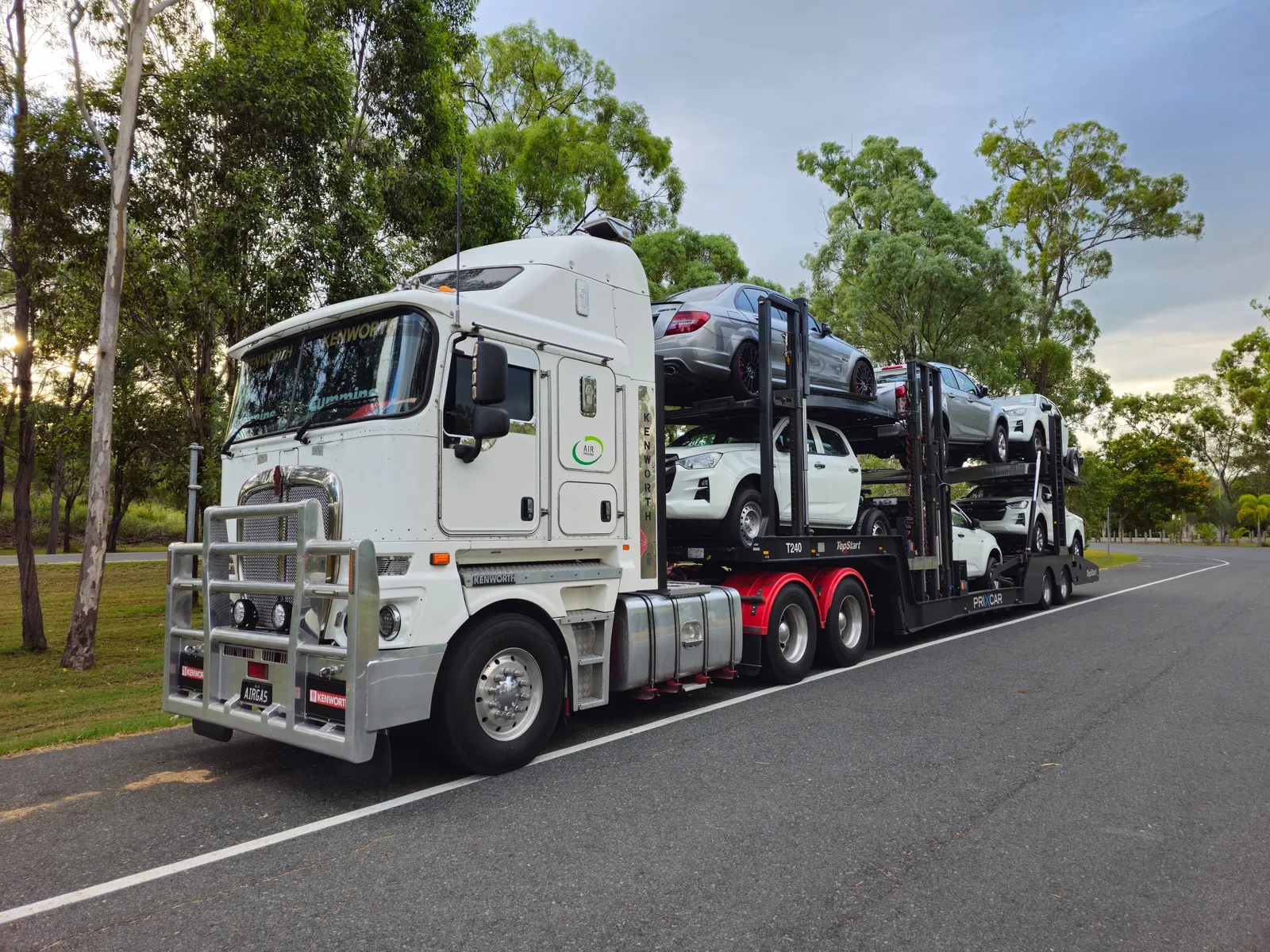
Virginia to North Carolina Auto Transport
Door-to-door car shipping from Virginia into North Carolina, the shortest of the busy Virginia lanes and the one where flexibility pays most.
Virginia to North Carolina is a short-haul move, and short hauls behave differently from long ones in ways worth understanding before you book. Neptune arranges door-to-door transport on this lane with open and enclosed carriers, the assigned carrier’s cargo insurance verified before loading, and one all-inclusive price agreed up front.
Three corridors, depending on where you start
Eastern Virginia feeds south on I-95 through Emporia toward Rocky Mount and Raleigh. Central Virginia uses I-85 from Petersburg toward Durham and Charlotte. Southwest Virginia drops down I-77 from the Wytheville area straight into Charlotte. Richmond to Raleigh is roughly 170 miles, Virginia Beach to Charlotte about 320, and Roanoke to Greensboro around 150.
All three are easy roads. The complication is not the driving, it is the economics.
Why short hauls are priced differently
A carrier earns by filling a trailer and keeping it moving. A 170-mile move occupies a slot that could otherwise hold a 1,000-mile move, so short runs carry a higher cost per mile than long ones. That is not a surcharge, it is how the industry works, and every honest broker will tell you the same thing.
What follows from it is practical: drivers strongly prefer to fold a Virginia to North Carolina move into a longer run heading further south, rather than making a dedicated trip. Giving a pickup window of several days rather than one fixed date is the single most effective thing you can do for both price and speed on this lane. It is more effective here than on any long-distance route.
Who ships on this route
- Relocations to the Research Triangle and Charlotte. Raleigh, Durham, Chapel Hill and Charlotte draw steadily from Virginia for work, and the flow runs year-round.
- Retirement and coastal moves. The North Carolina coast and the Sandhills attract Virginia retirees, often with a second vehicle to move.
- University moves. Duke, UNC, NC State and Wake Forest pull students from Virginia every August, with the reverse in May.
- Military transfers. Fort Liberty and Camp Lejeune connect to Virginia’s installations regularly, and PCS timing does not follow the moving season.
Pickup in Virginia, delivery in North Carolina
On the Virginia side, Richmond is the most convenient origin because I-95 and I-85 both start their southbound run there. Hampton Roads pickups from Norfolk, Chesapeake or Virginia Beach route down US-17 or I-664 and are straightforward. Roanoke feeds the I-77 corridor toward Charlotte.
See North Carolina auto transport for the destination side and Virginia auto transport for the origin.
Open or enclosed on this route
Open carrier transport is almost always the right call here. On a short lane the price gap between open and enclosed is proportionally larger, and the exposure is smaller simply because the vehicle is on the road for less time. Enclosed auto transport still makes sense for a genuinely high-value or low-clearance car, but expect a longer wait for dispatch, since enclosed operators particularly prefer long runs.
Nationwide transport for every kind of vehicle
Whatever you drive and wherever it needs to go, Neptune has a shipping solution built for it. Explore our most-requested services.
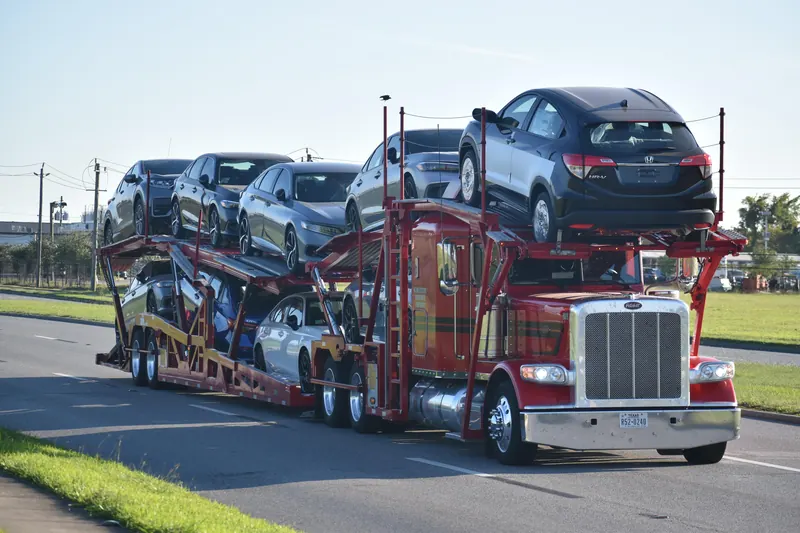
Open Carrier Transport
Our most popular and affordable way to ship: your vehicle travels on a professional open auto carrier.
Learn more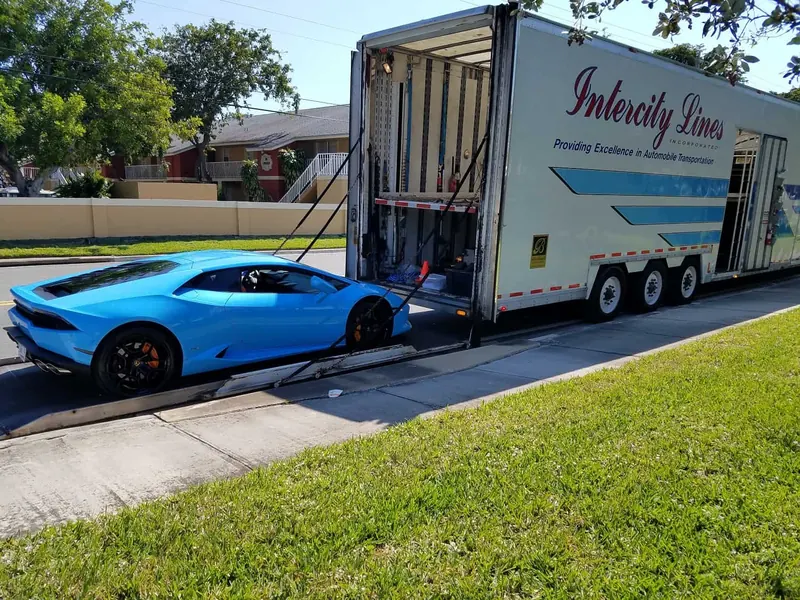
Enclosed Auto Transport
Fully covered protection from weather and road debris, ideal for luxury, exotic and classic cars.
Learn more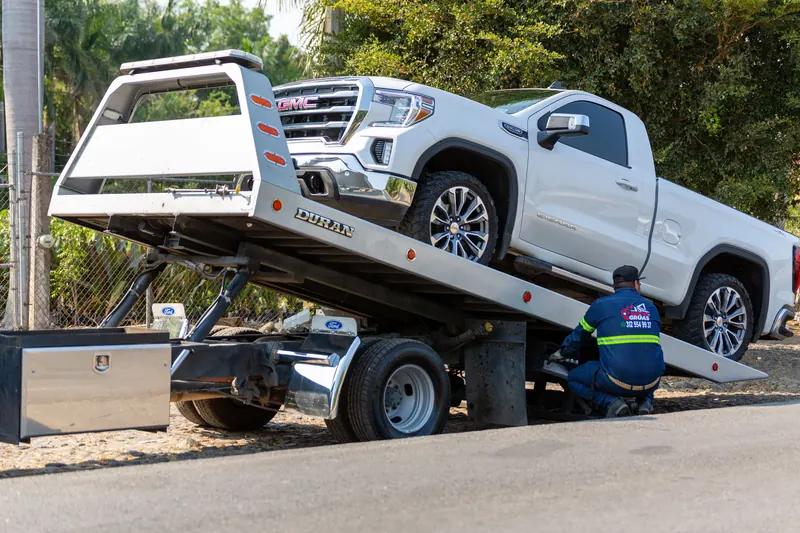
Door-to-Door Service
We pick up and deliver as close to your address as safely possible, on both ends of the move.
Learn more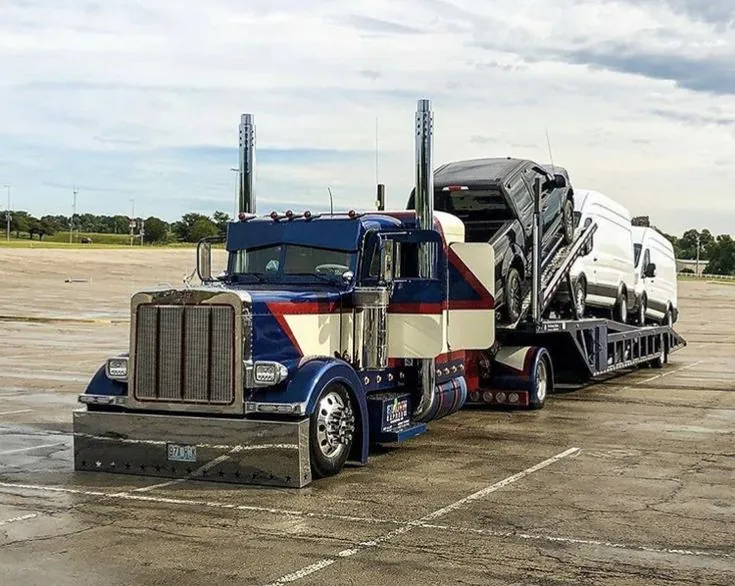
Military Vehicle Transport
PCS-friendly scheduling and relocation discounts for service members moving to or from Virginia's bases.
Learn moreExpedited Auto Transport
Priority dispatch and rush pickups when your timeline is tight, typically assigned in 24–72 hours.
Learn more
Luxury & Exotic Transport
White-glove, climate-controlled enclosed shipping with extra care for high-value vehicles.
Learn moreAuto transport at each end of your route
We cover the origin and the destination statewide, plus the city markets along this corridor.
Virginia to North Carolina shipping FAQs
Ship your car from Virginia to North Carolina
Get a free, all-inclusive quote for the Virginia to North Carolina route.