
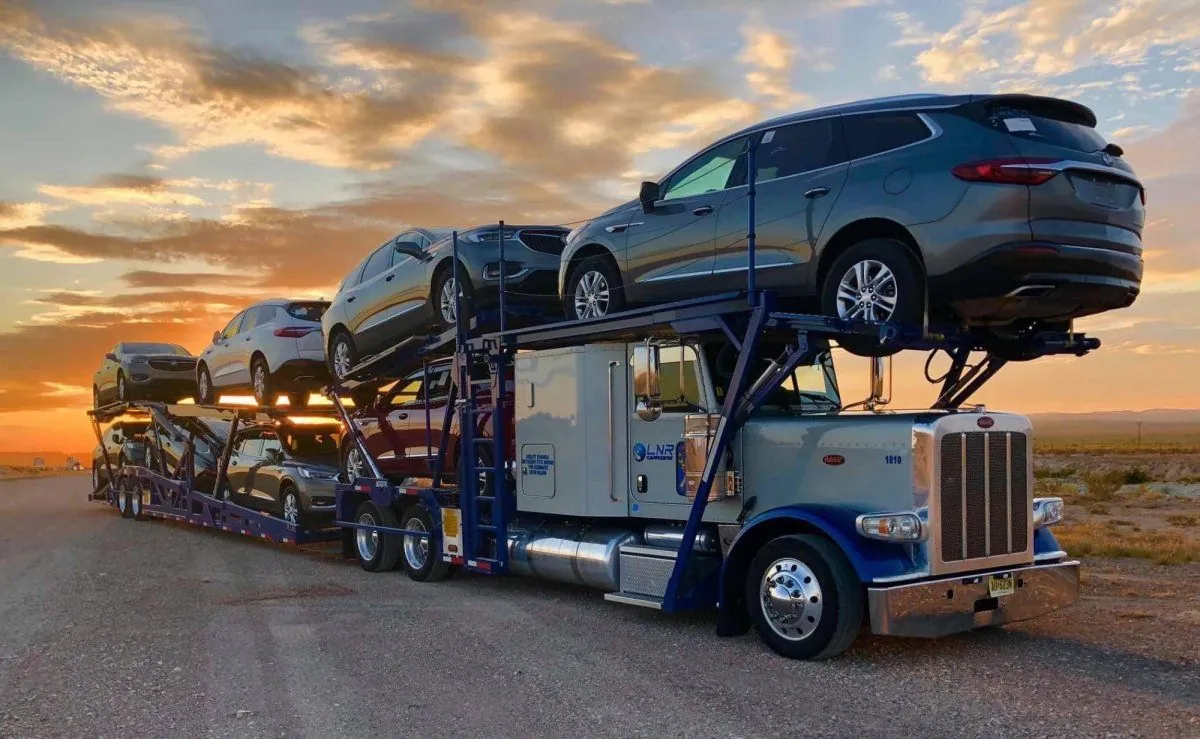
Boston, MA Auto Transport
Door-to-door car shipping to and from Boston on open and enclosed carriers, carrier insured, connecting every neighborhood in the city with all 48 contiguous states.
Neptune Auto Transport arranges Boston auto transport and car shipping to and from every neighborhood in the city, door to door, on open and enclosed carriers. We move cars, trucks, SUVs and motorcycles between Boston and the other 47 contiguous states, with the assigned carrier’s cargo insurance verified before loading and one all-inclusive price agreed up front. Boston is the hardest city in New England to bring a 75-foot truck into, and understanding why is most of what you need to know before booking a pickup here.
Auto transport in Boston
At the metro level Boston is superbly served. Interstate 90 and Interstate 93 meet downtown, the city anchors the northern end of the I-95 corridor, and more carrier traffic passes through here than anywhere else in New England. At the individual address level it is a different story, because most of the street plan predates the automobile by two centuries. That gap between metro access and address access is the thing worth understanding, and it is why a Boston pickup is usually arranged rather than simply scheduled.
Two local rules catch people out repeatedly. Storrow Drive, Soldiers Field Road and Memorial Drive across the river are parkways closed to commercial vehicles, with overpasses low enough that trucks hit them every year. A car carrier is not permitted on any of them, so a driver heading for the Back Bay or the Fenway comes in on surface streets no matter what a mapping app suggests. Separately, the O’Neill Tunnel on I-93 and the Ted Williams Tunnel on I-90 carry height and hazardous-materials restrictions, so a tall enclosed trailer is often routed around downtown rather than through it. Neither rule is a problem. Both are reasons the driver’s approach and proposed meeting point may not look like the route you expected.
Neighborhoods and where loading actually happens
- Beacon Hill, the North End and Charlestown. The oldest streets in the city: narrow, one-way, frequently on a grade, and parked solid on both sides. A full-size carrier does not enter these blocks. Expect to meet the driver on Cambridge Street, Causeway Street, Commercial Street or a similar arterial a few minutes’ walk away.
- Back Bay and the South End. Brownstone rows with alley access behind and resident permit parking in front. Loading normally happens on a wide cross street or on Massachusetts Avenue or Columbus Avenue rather than at the door.
- The Seaport and the South Boston waterfront. Recent construction with wide streets, generous curb cuts and large surface lots. This is the easiest part of central Boston for a carrier to work in.
- Allston, Brighton, the Fenway and Mission Hill. Dense student housing on permit-parked streets. Manageable most of the year and close to impossible in the last days of August, for reasons covered below.
- Dorchester, Roxbury, Jamaica Plain, Roslindale, West Roxbury and Hyde Park. Three-deckers and single-family homes with real driveways and wider streets. These are by a distance the easiest Boston addresses to serve, and a true doorstep pickup is often possible.
- East Boston and the Logan Airport area. Convenient if you are flying in or out around the shipment, with better truck access than the older neighborhoods across the harbor.
Two more things shape a Boston pickup. A truck holding curb space on a city street is subject to street-occupancy rules, and during a declared snow emergency the curb lane is cleared entirely and parked cars are towed. Neither stops your shipment: the driver simply uses an accessible spot nearby instead, and there is no extra charge for it. That short meet is how door-to-door auto transport works in any city where a full-size truck cannot legally stop.
September 1, and why it can move your pickup date
An unusually large share of Boston-area leases begin and end on September 1, which turns the last days of August into a citywide moving day. Allston, Brighton, the Fenway, Mission Hill and the inner suburbs fill with rental trucks competing for the same curb space, and the streets that are merely tight in June become unworkable. If you need a car collected in one of those neighborhoods between roughly August 28 and September 2, book two to three weeks out and plan on a meeting point outside the neighborhood. Any other week of the year, this simply is not a factor.
Who ships cars in and out of Boston
Students drive a great deal of it. Boston University, Northeastern, Boston College, Emerson, Suffolk, Berklee, Simmons, Wentworth and UMass Boston all draw heavily from out of state, and vehicles arrive in the weeks before classes start and leave again in May. College student car shipping is built around that calendar, and our student moving guide covers what schools will and will not permit on campus.
The Longwood Medical Area runs on a different clock. Teaching hospitals and medical schools start their academic year on July 1, so residents and fellows arrive and depart at the beginning of July rather than in September. If you are matching into or out of a Boston hospital, that is a much quieter shipping week than the undergraduate rush, and it is worth using.
The rest is relocations, vehicles bought from out-of-state sellers or at auction, and seasonal moves. Boston winters send a steady flow of cars south each fall and bring them back in spring, which is what snowbird auto transport and our Massachusetts to Florida route cover. If you bought the car online, shipping a car you bought online walks through the handover.
How car shipping to or from Boston works
You request a quote with both ZIP codes, the vehicle and a rough date, and a specialist calls you back with one all-inclusive price. Once you accept, we dispatch into our vetted carrier network. A reservation fee is collected only after a driver has actually been assigned, and the balance is paid to the driver at delivery. At pickup you and the driver walk the vehicle and sign a bill of lading recording its condition, and you do the same at delivery. In Boston, expect a call ahead to agree exactly where the handover will happen, because in this city that detail matters more than the street address does.
Open or enclosed from Boston
Open carrier transport is the sensible default for a daily driver. Enclosed auto transport suits the vehicles kept in Back Bay, Beacon Hill and the Seaport, and it earns its premium a second time in winter, when the salt and brine that keep the roads open are hard on paint and undercarriages. The trade-off is access: an enclosed trailer is taller and longer, so the list of workable loading spots in the old neighborhoods is shorter and lead times run longer. Open versus enclosed sets out the rest of the comparison.
Nationwide transport for every kind of vehicle
Whatever you drive and wherever it needs to go, Neptune has a shipping solution built for it. Explore our most-requested services.
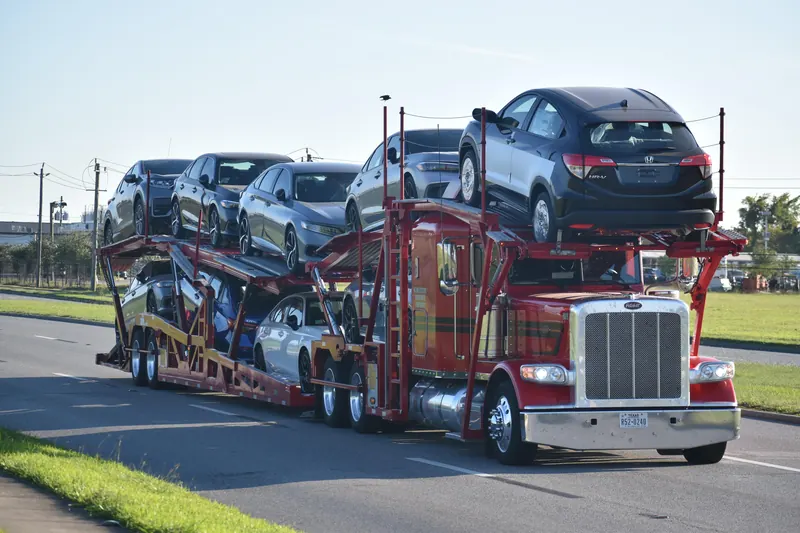
Open Carrier Transport
Our most popular and affordable way to ship: your vehicle travels on a professional open auto carrier.
Learn more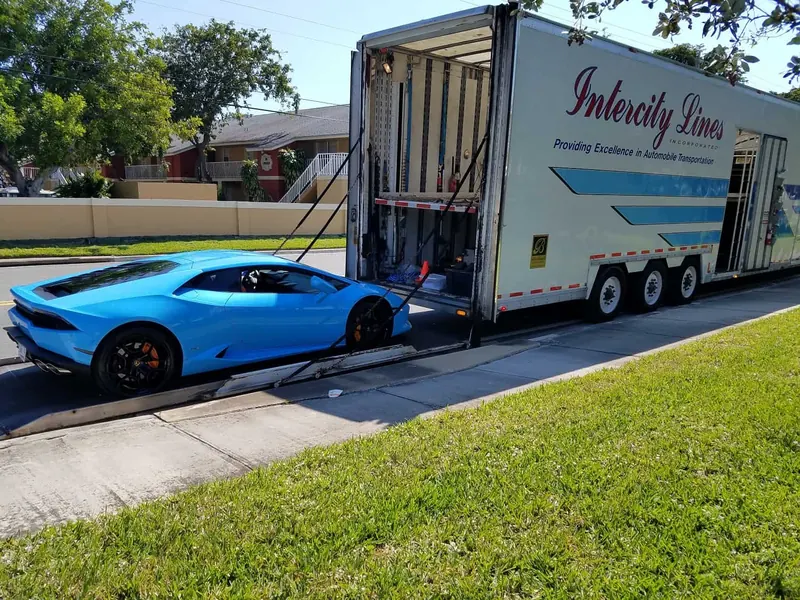
Enclosed Auto Transport
Fully covered protection from weather and road debris, ideal for luxury, exotic and classic cars.
Learn more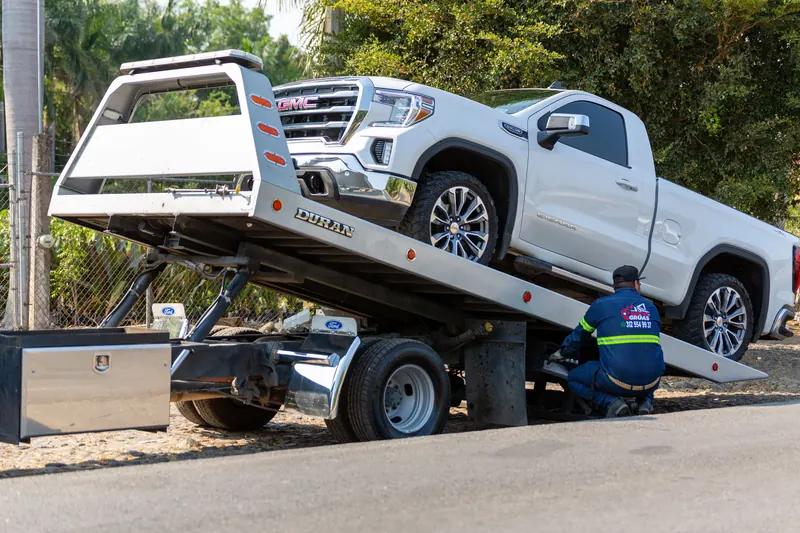
Door-to-Door Service
We pick up and deliver as close to your address as safely possible, on both ends of the move.
Learn more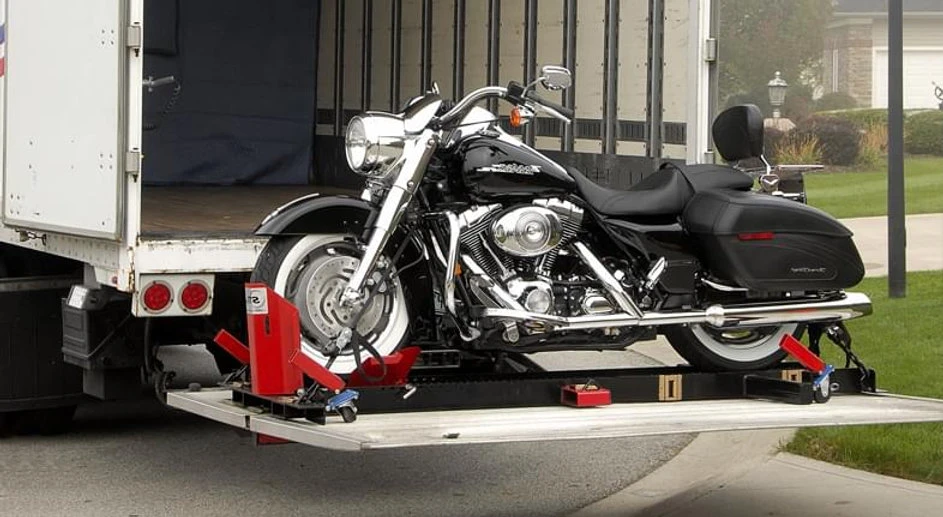
Motorcycle Shipping
Specialized crating, soft-strapping and secure handling for bikes of every make and model.
Learn more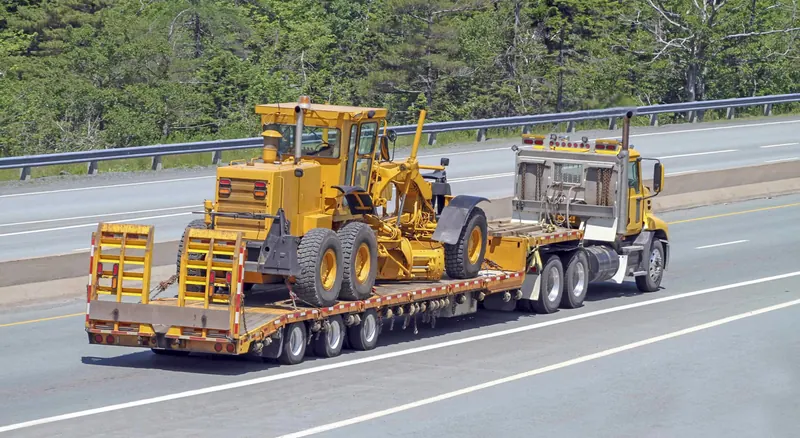
Heavy Equipment Hauling
Flatbed and lowboy transport for construction machinery, tractors and oversized loads.
Learn more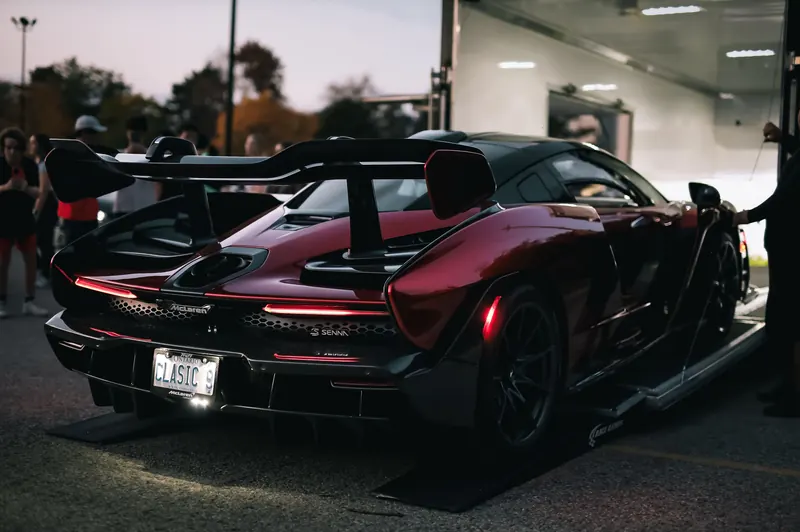
Luxury & Exotic Transport
White-glove, climate-controlled enclosed shipping with extra care for high-value vehicles.
Learn moreCar shipping throughout Massachusetts
Boston is one of many Massachusetts communities we cover. The statewide page has the regional detail, the corridor routes and the cost factors that apply across the whole state.
Other Massachusetts cities we serve
Boston shares its carrier network with Cambridge auto transport across the river and with Worcester car shipping an hour west on the Mass Pike. Quincy vehicle shipping covers the South Shore immediately south, and a driver working eastern Massachusetts will often cover more than one of them on the same run.
Routes from Boston
Massachusetts to Florida is the seasonal lane most Boston customers ask about. The statewide page covers the New York, Mid-Atlantic, Carolinas, Midwest and West Coast lanes in the same detail.
Boston car shipping FAQs
Ship your car to or from Boston
Get a free Boston, MA auto transport quote.