
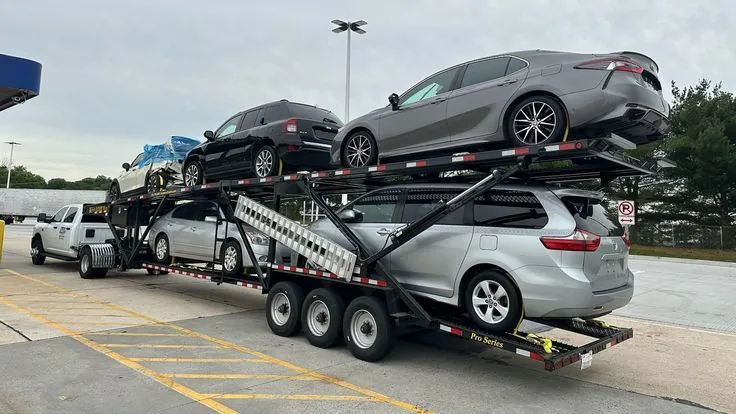
California to Illinois Auto Transport
Reliable, insured, door-to-door car shipping from California to Illinois. About 5–8 days in transit once loaded, plus a 2–5 business day pickup window.
Neptune Auto Transport handles door-to-door California to Illinois auto transport on open and enclosed carriers, carrier insured, connecting every part of California with Chicago and the rest of the state.
The California to Illinois route at a glance
This is a long eastbound haul of roughly 2,000 miles, three or four days of driving before fuel and overnight stops are counted. Carriers leaving Northern California generally run east on Interstate 80, while trucks starting in Southern California often take a more southerly line before turning north-east toward the Midwest.
A driver on a run this long usually carries several vehicles with a set delivery order, which is why transit is measured in days on the road rather than hours, and why a fixed arrival date is not something an honest carrier will promise.
Shipping a car from California to Illinois
Relocations, vehicles bought remotely, students heading to Midwest campuses and cars being sent to family all travel this corridor. We manage the whole move door to door, with one all-inclusive price agreed before anything is dispatched.
How long does the California to Illinois route take?
Two separate figures decide when your car arrives. Once it is loaded, budget roughly 5–8 days in transit: a driver covers about 400 miles on a typical day, because federal hours-of-service rules cap driving time and a loaded carrier is slower than a car, so 2,000 miles is around 5 days of driving, with the balance covering the other vehicles on the truck and their delivery order. Before any of that, a standard pickup window of 2–5 business days runs from booking to collection.
Your delivery date is the pickup date plus the transit days, which is why we quote the two separately. The transit clock starts when the car is loaded, not when you book, so a collection at the later end of its window, or late in the day, moves the arrival with it. Weather and where your vehicle sits in the truck's drop order can shift it further, so we give a delivery window rather than a fixed date. If your dates are firm, ask about expedited service to tighten the pickup end.
Open or enclosed transport for this route
An open carrier handles most vehicles eastbound and is the more economical choice. Arriving in a Midwest winter, a vehicle on an open trailer will have been exposed to road spray and salt from the traffic around it, so a wash including the underside is worth planning after a winter delivery.
Enclosed transport is the answer for collector and show cars, high-value or exotic machinery, anything recently repainted, and vehicles too low to climb a ramp. See classic car transport and luxury and exotic transport. It also takes the road-salt problem off the table completely. Enclosed trailers are fewer in number, so allow extra lead time. Long moves like this are covered by our cross-country auto transport service.
Why people ship cars from California to Illinois
Eastbound moves on this corridor cover a different mix of reasons from the westbound direction.
- Relocation. Job and household moves from California metros to the Chicago area, commonly shipping one vehicle and flying rather than driving 2,000 miles.
- Returning home and family moves. Vehicles going back to the Midwest after a period on the coast, or being sent to family members there.
- Remote purchases. California's large used-vehicle market draws Midwest buyers, particularly for cars that have avoided road salt, and delivery beats a one-way flight and a long drive.
- Students. Term-time vehicle moves to campuses around the state, which our college student car shipping service covers.
How much does it cost to ship a car from California to Illinois?
Distance leads on a haul this long, followed by vehicle size and weight, running condition and the open-versus-enclosed decision. Pickup-date flexibility is the variable most within your control and usually worth more than people expect.
Season is unusually influential eastbound. A January delivery into Chicago can meet weather at the Sierra crossing, across Wyoming and at the destination itself, three separate places a schedule can slip. A June move carries almost none of that but falls in the busiest moving season of the year.
Access shapes the rest. California hillside and dense city streets are the common constraint at pickup; in Chicago, narrow residential blocks, permit parking and winter snow banks are the equivalent at delivery. Every transit figure we give is an estimate, and we quote a window rather than a guaranteed date.
How the route is typically planned
There is no single road. Carriers collecting in Northern California commonly run east on Interstate 80, crossing the Sierra at Donner Pass before continuing through Nevada, Utah, Wyoming, Nebraska and Iowa toward Chicago. Donner Pass carries chain controls and occasional closures in winter storms, and the Wyoming stretch of I-80 is well known for wind and closures of its own.
From Southern California, dispatchers often prefer a more southerly line, east on Interstate 40 or Interstate 70 through the Southwest and Midwest before turning north-east, which avoids the highest northern passes and is more common in winter. Which line your vehicle takes depends on the origin, the season and the rest of the load, so it is not fixed weeks in advance.
Pickup and delivery at each end
Door-to-door means the driver gets as close to your address as is safe and legal, confirming a nearby meeting point with you where a street will not take a full-size carrier.
Pickup in California
We collect statewide. See California auto transport. Hillside streets in Los Angeles and the steep, narrow blocks of San Francisco most often need a meeting point, while Sacramento, Oakland and San Diego addresses are frequently workable at the curb.
Delivery in Illinois
We deliver across the state. See Illinois auto transport. Chicago is the main destination, and its dense neighborhoods, permit parking and narrow residential streets mean a meeting point is often the practical option, particularly in winter when snow reduces the usable width of a street. Naperville, Aurora and Springfield are generally more straightforward for a large truck. The westbound direction is on our Illinois to California page.
Nationwide transport for every kind of vehicle
Whatever you drive and wherever it needs to go, Neptune has a shipping solution built for it. Explore our most-requested services.
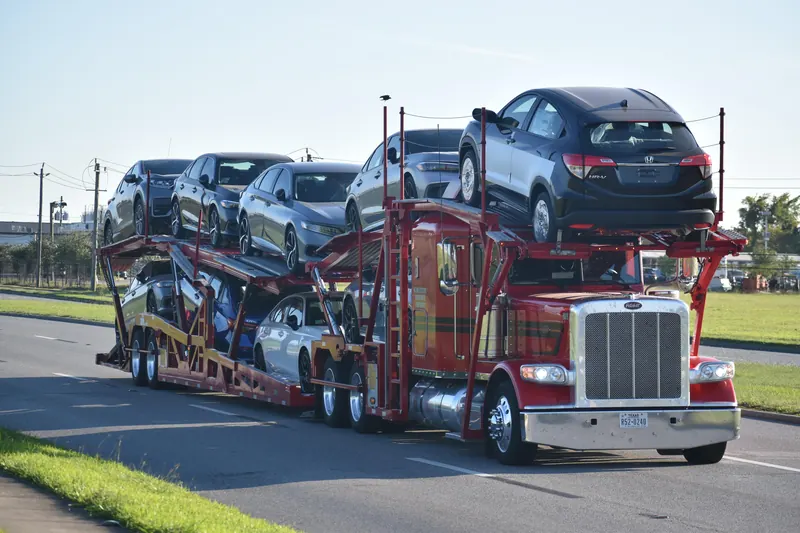
Open Carrier Transport
Our most popular and affordable way to ship: your vehicle travels on a professional open auto carrier.
Learn more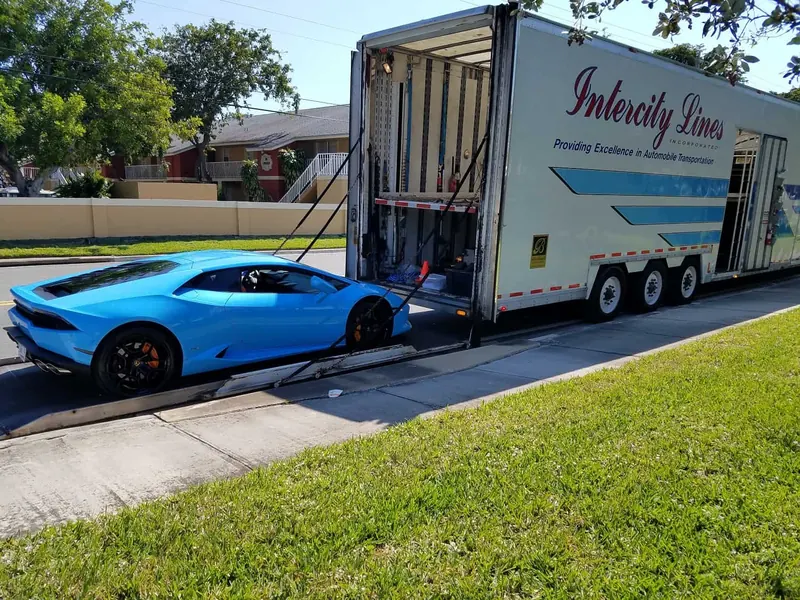
Enclosed Auto Transport
Fully covered protection from weather and road debris, ideal for luxury, exotic and classic cars.
Learn more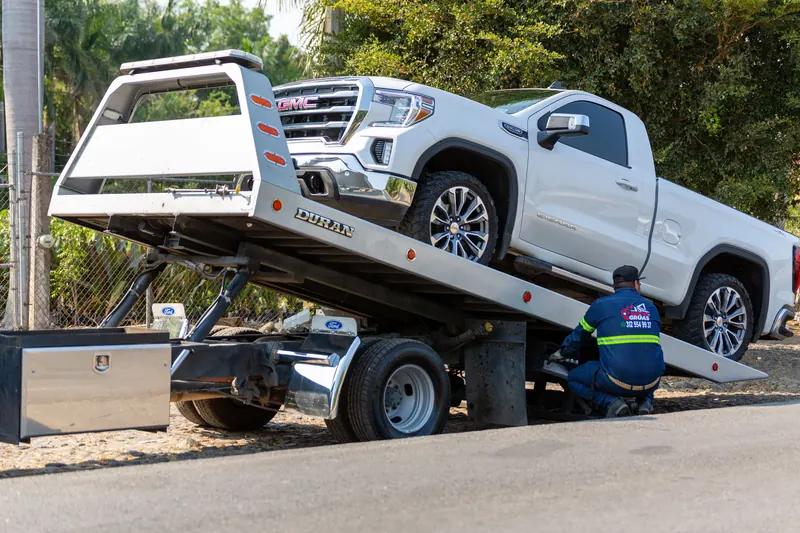
Door-to-Door Service
We pick up and deliver as close to your address as safely possible, on both ends of the move.
Learn more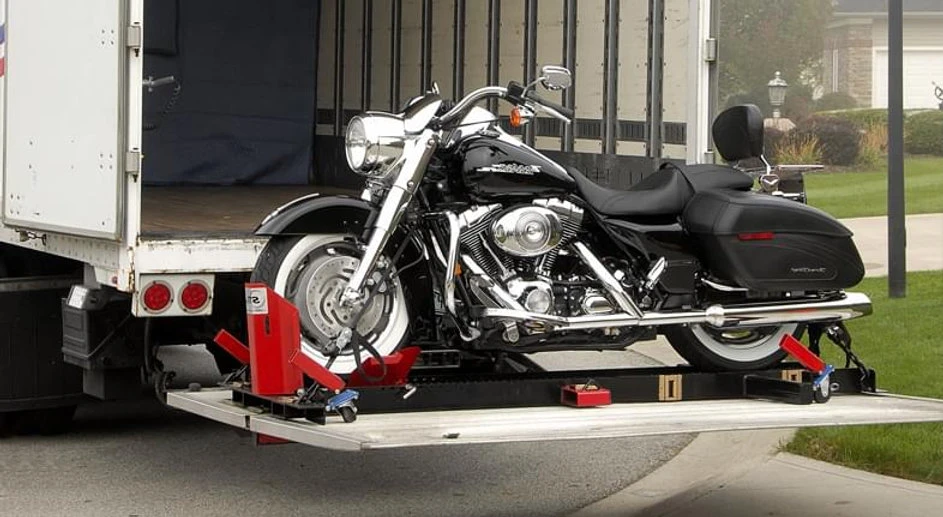
Motorcycle Shipping
Specialized crating, soft-strapping and secure handling for bikes of every make and model.
Learn more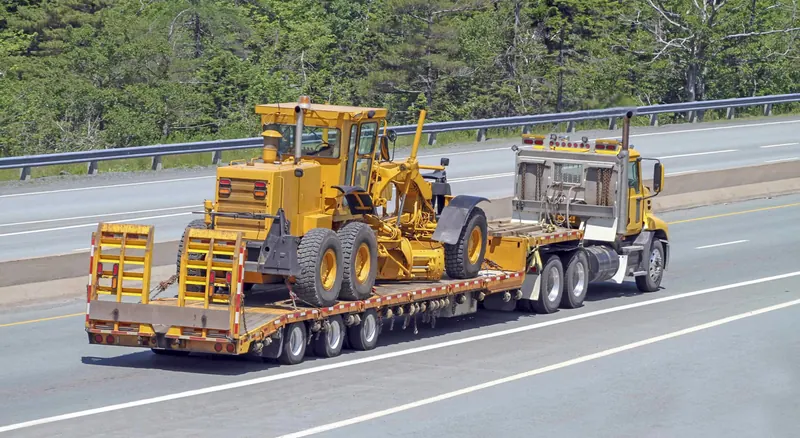
Heavy Equipment Hauling
Flatbed and lowboy transport for construction machinery, tractors and oversized loads.
Learn more
Luxury & Exotic Transport
White-glove, climate-controlled enclosed shipping with extra care for high-value vehicles.
Learn moreAuto transport at each end of your route
Other routes we run regularly
California to Illinois shipping FAQs
Ship from California to Illinois
Get a free, all-inclusive quote for the California to Illinois route today.