
Washington to California Auto Transport
Reliable, insured, door-to-door car shipping from Washington to California. About 3–5 days in transit once loaded, plus a 2–5 business day pickup window.
The Washington to California corridor runs the length of the West Coast southbound, and Neptune Auto Transport arranges door-to-door vehicle shipping along it.
The Washington to California route at a glance
Washington to California is roughly 1,135 miles by road, most of it along Interstate 5. The full length of the West Coast on I-5, from the Seattle area down through Oregon into California. Carrier availability is strong in both directions along this corridor. Vehicles on this lane are often placed with carriers already working the West Coast corridor, though availability and pricing vary with your dates, the vehicle and how far each address sits from Interstate 5.
Shipping a car from Washington to California
Whether you are relocating, buying or selling a vehicle across state lines, or sending a car to family, we handle the entire Washington to California journey door-to-door. You hand over the keys at the Washington end and receive your vehicle at the California end, with no terminals and no hassle.
How long does the Washington to California route take?
Two separate figures decide when your car arrives. Once it is loaded, budget roughly 3–5 days in transit: a driver covers about 400 miles on a typical day, because federal hours-of-service rules cap driving time and a loaded carrier is slower than a car, so 1,135 miles is around 3 days of driving, with the balance covering the other vehicles on the truck and their delivery order. Before any of that, a standard pickup window of 2–5 business days runs from booking to collection.
Your delivery date is the pickup date plus the transit days, which is why we quote the two separately. The transit clock starts when the car is loaded, not when you book, so a collection at the later end of its window, or late in the day, moves the arrival with it. Weather and where your vehicle sits in the truck's drop order can shift it further, so we give a delivery window rather than a fixed date. If your dates are firm, ask about expedited service to tighten the pickup end.
Open or enclosed transport for this route
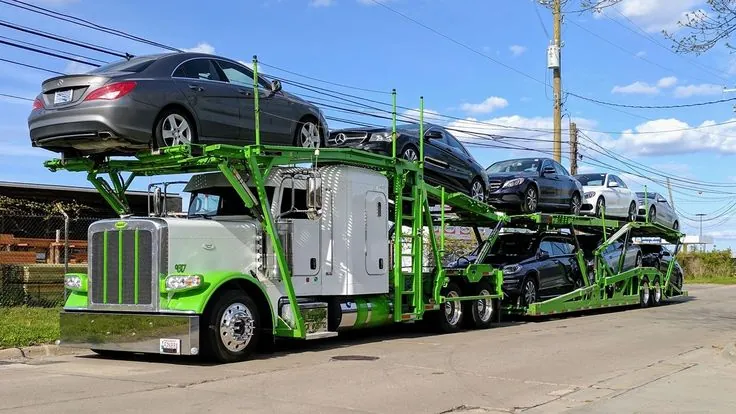
Most vehicles travel this lane on an open carrier, the more affordable option with the widest availability. Leaving the Pacific Northwest in the wet season, a car will usually pick up road spray and arrive needing a wash.
Enclosed transport suits classic cars, luxury and exotic vehicles, recent restorations and low-clearance cars that need lift-gate loading, and it removes the weather variable across a long wet-season run. There are fewer enclosed trailers, so book further ahead.
Why people ship cars from Washington to California
At roughly 800 to 1,100 miles depending on the end points, this is far enough that driving becomes a two-day commitment with an overnight stop.
- Relocation. Job and household moves from the Seattle and Tacoma areas toward California metros, often shipping one vehicle and driving another.
- Seasonal moves. Vehicles heading to warmer parts of California for the winter and back in spring.
- Remote purchases. Cars bought from Washington sellers and delivered south without a long one-way drive.
- Military moves. Both states have significant installations, and reporting dates rarely match carrier availability. See military vehicle transport.
How much does it cost to ship a car from Washington to California?
Where the vehicle starts is a bigger factor here than on many lanes. Seattle and Tacoma sit on the I-5 corridor; Spokane is several hundred miles east beyond the Cascades and effectively adds a separate leg before the southbound run begins. That difference shows up in both price and timing.
Beyond that, the standard variables apply: vehicle size and weight, running condition, open or enclosed service, and pickup-date flexibility. Your California destination matters too, since a San Diego delivery is most of the length of the state further on than a Bay Area one.
Timing is an estimate. Winter conditions at the Siskiyou Summit and in the Cascade passes, plus the delivery order already set on the truck, all affect the actual arrival day.
How the route is typically planned
Carriers generally run south on Interstate 5 from the Seattle–Tacoma area, through Oregon and into California. The elevation point worth knowing is the Siskiyou Summit near the Oregon–California border, which is subject to chain controls and occasional closures in winter storms, the most common cause of a delayed winter delivery on this corridor.
From there the corridor continues through Northern California, with Bay Area and Sacramento destinations reached first and Southern California addresses requiring the length of the Central Valley beyond that. Vehicles starting in Spokane usually travel west or south-west first to join the main corridor, which is why an eastern Washington pickup is quoted differently from a Seattle one.
Pickup and delivery at each end
Door-to-door means as close to your address as the carrier can safely and legally get, with a nearby meeting point confirmed by the driver where a street will not allow it.
Pickup in Washington
We collect across the state. See Washington auto transport. Seattle and Tacoma sit on the I-5 corridor, though Seattle's older, hillier neighborhoods sometimes call for a nearby meeting point. Spokane is east of the Cascades and is quoted as a separate leg.
Delivery in California
We deliver statewide. See California auto transport. Southbound arrivals reach Sacramento, Oakland and San Francisco first, with Los Angeles and San Diego further south again. San Francisco's steep, narrow streets and Los Angeles hillside blocks are the addresses most likely to need a meeting point. The northbound direction is on our California to Washington page.
Nationwide transport for every kind of vehicle
Whatever you drive and wherever it needs to go, Neptune has a shipping solution built for it. Explore our most-requested services.
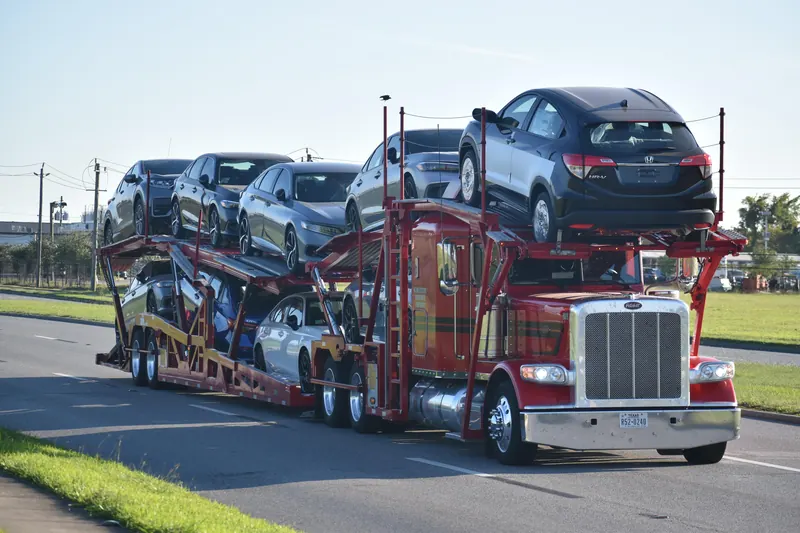
Open Carrier Transport
Our most popular and affordable way to ship: your vehicle travels on a professional open auto carrier.
Learn more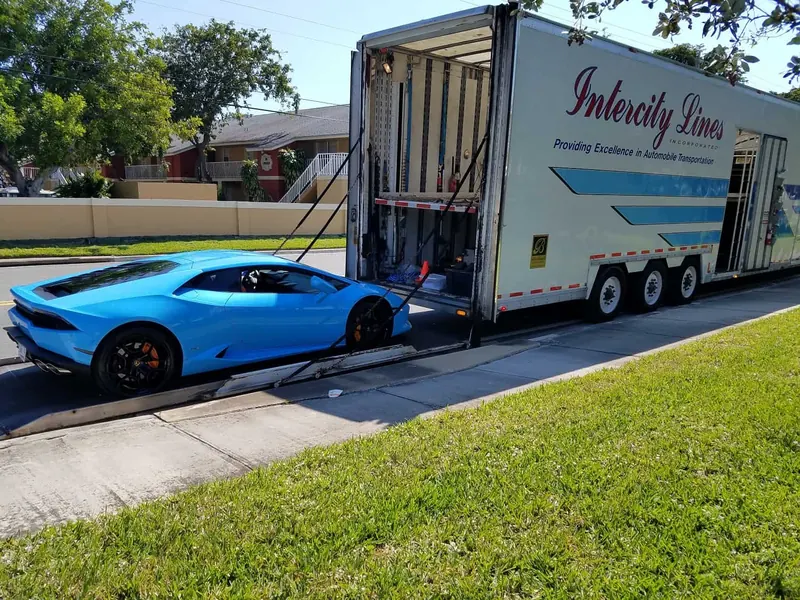
Enclosed Auto Transport
Fully covered protection from weather and road debris, ideal for luxury, exotic and classic cars.
Learn more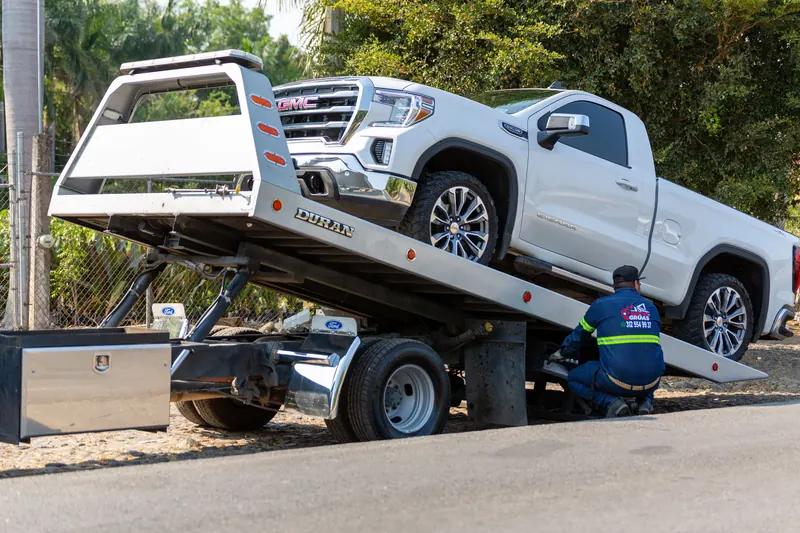
Door-to-Door Service
We pick up and deliver as close to your address as safely possible, on both ends of the move.
Learn more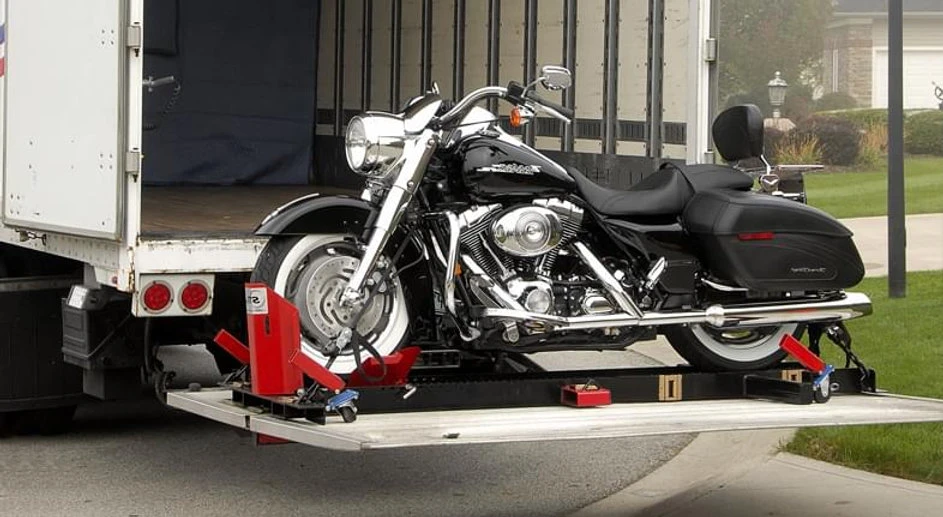
Motorcycle Shipping
Specialized crating, soft-strapping and secure handling for bikes of every make and model.
Learn more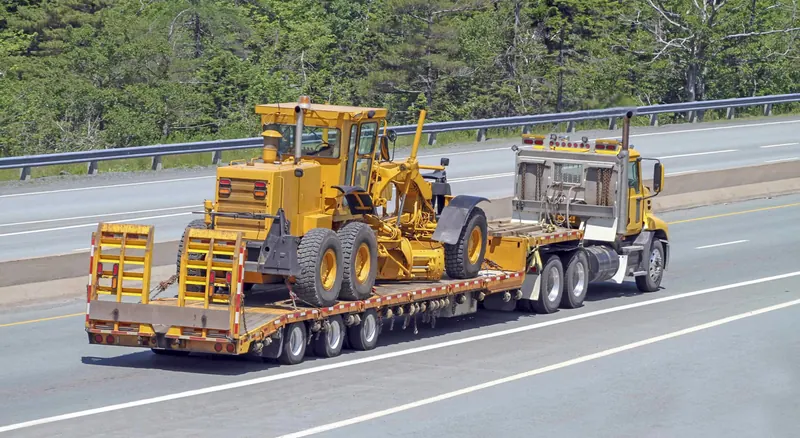
Heavy Equipment Hauling
Flatbed and lowboy transport for construction machinery, tractors and oversized loads.
Learn more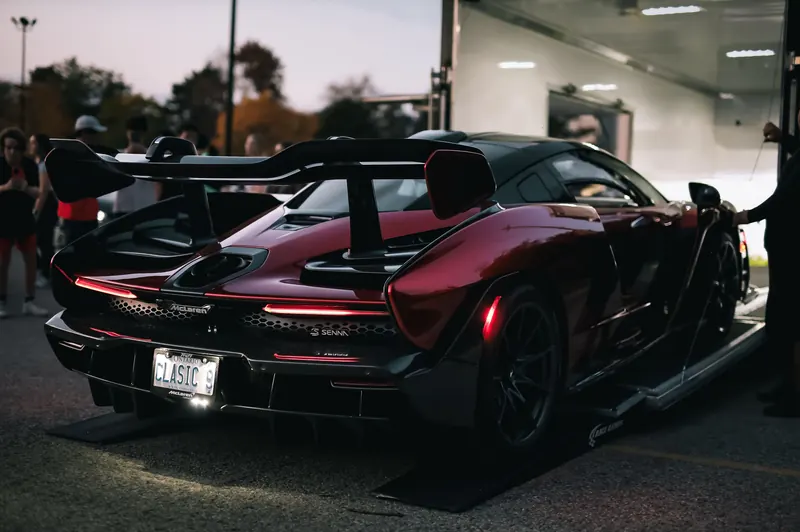
Luxury & Exotic Transport
White-glove, climate-controlled enclosed shipping with extra care for high-value vehicles.
Learn moreAuto transport at each end of your route
Other routes we run regularly
Washington to California shipping FAQs
Ship from Washington to California
Get a free, all-inclusive quote for the Washington to California route today.