
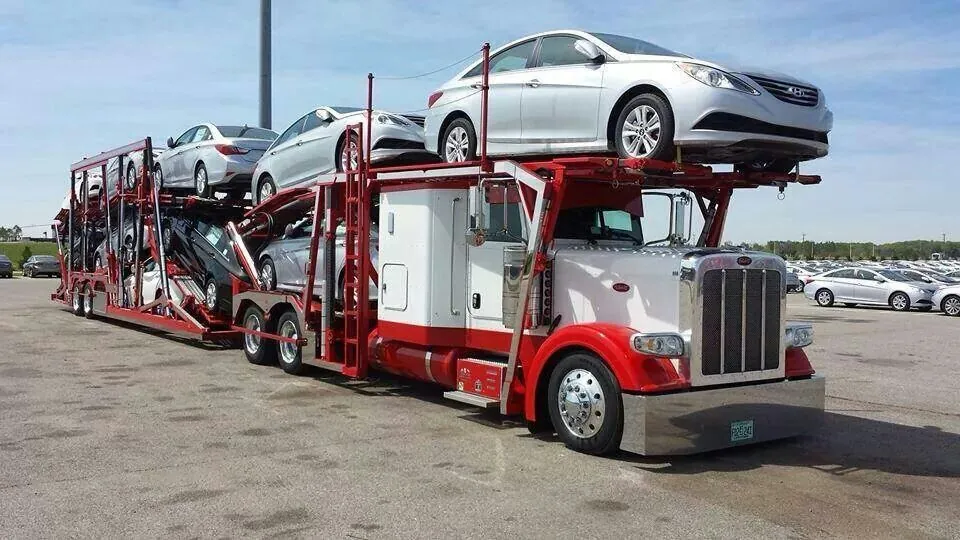
Texas Auto Transport — Ship Your Car To or From Texas
Door-to-door Texas car shipping you can trust — fast, fully insured, and affordably priced. Serving Dallas, Houston, Austin, San Antonio, and every community across the Lone Star State with nationwide coverage.
Texas is one of the busiest auto transport markets in the United States — and it is easy to see why. With over 30 million residents spread across 268,000 square miles, a booming economy, and some of the country's fastest-growing metro areas, the Lone Star State generates immense demand for vehicle shipping year-round. Whether you are relocating to Dallas for a corporate job, shipping a car home to Houston after an out-of-state purchase, moving a student vehicle to UT Austin or Texas A&M, or heading south for the winter, Neptune Auto Transport makes Texas car shipping straightforward, safe, and fairly priced.
Why Texas is a high-volume auto transport state
Texas is not just big — it is geographically central and economically dynamic. Several factors combine to make Texas auto transport one of the most active segments in the industry:
- Massive population centers. The Texas Triangle — anchored by Dallas-Fort Worth, Houston, San Antonio, and Austin — is home to roughly 70% of the state's population. The Dallas-Fort Worth metroplex alone has over 8 million residents, making it the fourth-largest metropolitan area in the country. Houston is not far behind at over 7 million. This concentration creates constant demand for car shipping between Texas cities and destinations nationwide.
- Strategic interstate network. Texas sits at the crossroads of several major interstate highways. I-10 runs east-west from Florida to California straight through Houston and San Antonio. I-35 connects the Mexican border through San Antonio, Austin, and Dallas-Fort Worth all the way to Minnesota. I-20 spans from West Texas to South Carolina. I-45 links Houston to Dallas. This dense highway network means carriers have direct, efficient routes to and from virtually every part of the country.
- Snowbird migration. Each fall, thousands of Texans — particularly retirees and seasonal residents — ship vehicles south to the Rio Grande Valley and coastal areas, or east to Florida. Each spring, the flow reverses. This predictable seasonal pattern keeps the Texas vehicle transport market active and competitively priced in both directions.
- Military relocations. Texas is home to 15 active-duty military installations, including Fort Cavazos (formerly Fort Hood), Joint Base San Antonio, Fort Bliss in El Paso, and Naval Air Station Corpus Christi. PCS moves into and out of Texas are frequent, and service members rely on Texas car movers to handle their vehicle logistics.
- College student moves. Texas is home to some of the largest universities in the nation. UT Austin enrolls over 52,000 students, Texas A&M over 74,000, and the University of Houston, Texas Tech, Baylor, and Rice collectively bring in tens of thousands more each year — many from out of state. Every August and December, students and families need reliable car transport to Texas campuses and back home again.
- Corporate relocations. Texas has become a magnet for corporate headquarters and tech-sector expansion. Companies relocating to Dallas, Austin, or Houston routinely move entire workforces, and employee vehicle shipping is a core part of those transitions.
- Vehicle purchases. Texas has a robust automotive market — everything from new-car dealerships to classic and collector auctions. Buyers across the country purchase vehicles in Texas and need them shipped, just as Texans frequently buy vehicles from out-of-state dealers and private sellers.
Why ship a car to or from Texas instead of driving?
Texas is enormous. Driving from Beaumont to El Paso takes over 12 hours — and that is without leaving the state. When the trip is cross-country, the numbers get even more sobering:
- Driving distance and fatigue. Dallas to Los Angeles is roughly 1,400 miles. Houston to Chicago is over 1,100. Austin to Seattle pushes 2,100. That is multiple days behind the wheel, often through remote stretches of highway. Professional Texas car shipping eliminates the exhaustion and risk.
- Fuel, hotels, and meals. A cross-country drive easily adds up to $400–$700 in gas alone, plus hotels, food, and tolls. When you factor in the value of your time, shipping often costs less than driving — especially for solo trips.
- Vehicle wear and tear. Adding 1,000–2,000 miles to your odometer means another oil change, accelerated tire wear, and depreciation. Letting a carrier handle the mileage preserves your vehicle's condition and resale value.
- Moving convenience. If you are already flying to your new home, coordinating a family, packing a house, and starting a new job, the last thing you need is a multi-day road trip. Door-to-door car shipping in Texas lets you focus on your move while your vehicle arrives on its own schedule.
- Safety. Long-haul driving on unfamiliar interstates, especially through winter weather or summer heat, carries real risk. Trained professional carriers move vehicles every day on these exact routes with safety protocols you cannot replicate as an individual driver.
Texas auto transport services
Neptune Auto Transport offers a full range of Texas car transport services tailored to your vehicle, budget, and timeline. Every shipment comes with door-to-door convenience, verified cargo insurance, and transparent all-inclusive pricing — no bait-and-switch and no hidden fees.
Open carrier transport — the smart, affordable choice
Open carrier transport is the most popular way to ship a vehicle to or from Texas — and for the vast majority of cars, trucks, and SUVs, it is the right choice. Your vehicle travels on a multi-car open-air hauler, the same kind dealerships use to move new inventory. Open carriers are plentiful on every major Texas interstate, which means faster pickup windows and competitive pricing.
Best for: Everyday sedans, SUVs, pickup trucks, and crossovers. Ideal for relocation moves, dealer-to-buyer deliveries, and seasonal snowbird shipping.
Pricing: Open transport typically costs 30–50% less than enclosed. Texas-to-California open carrier shipments generally range from $700–$1,100 depending on the city pair, vehicle size, and season.
Transit time: Most open-carrier Texas shipments are picked up within 2–5 business days and delivered within 5–10 days cross-country. Regional moves within Texas or to neighboring states may complete in 1–4 days.
Enclosed auto transport — maximum protection for high-value vehicles
For vehicles requiring complete protection from weather, road debris, and prying eyes, enclosed auto transport is the gold standard. Your vehicle travels inside a fully covered trailer, shielded from every element. Enclosed carriers typically haul one to six vehicles at a time, with soft straps, hydraulic lift gates, and climate-controlled options available.
Best for: Luxury vehicles, exotic sports cars, classic and collector automobiles, concours-level restorations, high-value auction purchases, and any vehicle where a flawless finish on arrival is essential.
Pricing: Enclosed Texas car shipping generally adds 30–50% to the open-carrier rate. Expect approximately $1,200–$1,800 for a Texas-to-California enclosed shipment, with variations based on vehicle value and specific routing.
Transit time: Enclosed carriers are less numerous than open ones, so pickup windows may be slightly longer — typically 5–10 business days to dispatch. Transit time once loaded is comparable to open transport.
Door-to-door car shipping
Door-to-door transport means exactly what it sounds like: we pick up your vehicle as close to your Texas address as a full-size carrier can safely navigate, and deliver it to the corresponding address at your destination. No driving to a terminal, no storage fees, no extra steps. If a carrier cannot reach your exact street — common in dense urban neighborhoods or narrow rural roads — the driver will arrange a nearby meeting point at a safe, accessible location.
Expedited auto transport — when timing is tight
Sometimes you need your vehicle picked up now. Expedited auto transport gives your shipment priority placement with the first available carrier. Instead of waiting 3–7 days for a standard pickup, expedited shipments are typically assigned within 24–72 hours. This premium service is ideal for last-minute relocations, time-sensitive vehicle purchases, or any situation where a delay would disrupt your plans.
Motorcycle shipping
Texas is prime motorcycle country, and we ship bikes of every make and model. Motorcycle shipping uses specialized soft-strapping, wheel chocks, and — for enclosed shipments — fully crated transport. Whether you ride a Harley, a Ducati, or a vintage Honda, your bike gets the same careful handling.
Military PCS vehicle transport from Texas bases
Texas has one of the highest concentrations of active-duty military personnel in the country. We support PCS moves to and from every major installation, including Fort Cavazos (Killeen), Joint Base San Antonio (Lackland, Randolph, Fort Sam Houston), Fort Bliss (El Paso), NAS Corpus Christi, Sheppard AFB (Wichita Falls), and Dyess AFB (Abilene). Military vehicle transport includes flexible scheduling, competitive rates, and experience working with service members on tight timelines.
Student vehicle shipping to Texas colleges
Every semester, thousands of students need their cars at campus. We ship vehicles to and from UT Austin, Texas A&M (College Station), Texas Tech (Lubbock), Baylor (Waco), Rice University (Houston), the University of Houston, UT Dallas, and dozens of other Texas colleges. College student car shipping is budget-friendly and designed around academic calendars.
Snowbird auto transport
Texas is both a snowbird origin and destination. Many Texans spend winters in Florida or Arizona, while Northerners come to South Texas and the Gulf Coast to escape the cold. The Texas-to-Florida corridor is one of the busiest seasonal shipping lanes in the country. Snowbird auto transport runs on predictable seasonal schedules, and booking early for the fall and spring peaks ensures the best rates and availability.
Major Texas cities for car shipping
Demand for Texas vehicle shipping concentrates in the state's large metropolitan areas, but we serve every community. Here is how the major city markets break down:
- Dallas auto transport. The Dallas-Fort Worth metroplex is the economic engine of North Texas and the fourth-largest metro in the U.S. I-35, I-20, I-30, and I-45 all converge here, making DFW one of the most carrier-accessible markets in the country. High demand comes from corporate relocations, the booming tech sector, and large-scale residential moves. Dallas-to-California, Dallas-to-Florida, and Dallas-to-Illinois are the most frequent long-haul lanes.
- Houston car shipping. As the largest city in Texas and the energy capital of the world, Houston generates enormous shipping volume. I-10 provides a direct east-west artery, while I-45 connects to Dallas. The Port of Houston adds international vehicle logistics. Houston-to-Florida and Houston-to-California are among the busiest routes we run, with Houston-to-New York also consistently strong.
- Austin auto transport. Austin is one of the fastest-growing cities in America, driven by tech expansion and a steady influx of new residents. I-35 is the primary carrier route. The University of Texas generates seasonal student vehicle demand each fall and spring. Popular routes include Austin-to-California, Austin-to-Colorado, and Austin-to-Illinois.
- San Antonio car shipping. San Antonio sits at the junction of I-10 and I-35, making it a natural logistics hub. Joint Base San Antonio drives steady military PCS shipping. The city's rapid population growth fuels residential moves throughout the year. San Antonio-to-Florida is a heavy snowbird lane; San Antonio-to-Arizona and San Antonio-to-California are also well-traveled.
- Fort Worth auto transport. Fort Worth shares the DFW carrier network and benefits from proximity to major interstates. Distinct from Dallas in its industrial and logistics base, Fort Worth is a key origin for heavy equipment and commercial vehicle transport alongside standard auto shipping.
- El Paso car shipping. El Paso's location at the far western tip of Texas — on I-10 near the New Mexico and Mexico borders — makes it a unique shipping market. Distance to other Texas metros is substantial (El Paso to Houston is over 740 miles), so regional carriers and West Coast-bound routes dominate. El Paso-to-California and El Paso-to-Arizona are the primary lanes.
- Mid-size cities. Corpus Christi (Gulf Coast port), Lubbock (Texas Tech, agriculture), Amarillo (I-40 corridor, Panhandle hub), Plano and Irving (DFW suburbs), Arlington (entertainment and sports), McAllen and Brownsville (Rio Grande Valley) — all generate consistent Texas car transport demand and are fully served by our carrier network. Waco, home to Baylor University and situated on I-35 between Dallas and Austin, sees regular student and residential moves.
Popular interstate routes for Texas auto transport
These are the lanes we run most frequently — high-volume routes where carrier availability is strongest and pricing tends to be most competitive:
- Texas to California. One of the busiest car shipping corridors in the country. Dallas to Los Angeles (1,440 miles, 3–5 days), Houston to Los Angeles (1,550 miles, 4–6 days), Austin to San Francisco (1,750 miles, 5–7 days). Driven by relocations, tech-sector moves, and vehicle purchases in both directions. Texas to California auto transport runs daily.
- California to Texas. The reverse lane is equally active. California-to-Texas moves have surged as businesses and families relocate to the Lone Star State. Los Angeles to Dallas, San Francisco to Austin, and San Diego to Houston are the top city pairs. Transit times mirror the eastbound direction: 3–6 days depending on the endpoints. California to Texas car shipping is a core route.
- Texas to Florida. The primary snowbird and vacation-home corridor. Houston to Miami (1,190 miles, 3–5 days), Dallas to Orlando (1,080 miles, 3–4 days), San Antonio to Tampa (1,120 miles, 3–5 days). I-10 provides a direct, flat route that carriers prefer. This lane is busiest in October–November and March–April. Texas to Florida auto transport is one of our highest-volume seasonal lanes.
- Florida to Texas. The return leg of the snowbird migration each spring. Miami to Houston, Orlando to Dallas, and Tampa to San Antonio are all heavily traveled. Transit times are nearly identical to the southbound direction. Florida to Texas car shipping sees predictable seasonal spikes.
- Texas to New York. Houston to New York City (1,630 miles, 5–7 days), Dallas to New York (1,550 miles, 5–6 days). Corporate relocations and university moves drive this high-demand lane. The Northeast-to-Texas direction has grown substantially as more companies expand to Texas. Texas to New York auto transport is available year-round.
- New York to Texas. Reverse relocations, seasonal moves, and vehicle purchases. New York City to Dallas, Houston, and Austin are the primary corridors. Expect 5–7 days in transit. New York to Texas car shipping runs on established carrier routes.
- Texas to Illinois. Dallas to Chicago (925 miles, 2–4 days), Houston to Chicago (1,080 miles, 3–5 days). I-35 and I-55 provide direct north-south routing. Strong demand from corporate relocations and university moves.
- Texas to Arizona. Dallas to Phoenix (1,065 miles, 2–4 days), Houston to Phoenix (1,170 miles, 3–5 days). I-10 provides a straight shot. Popular among snowbirds and second-home owners.
- Texas to Colorado. Dallas to Denver (790 miles, 2–3 days), Houston to Denver (1,030 miles, 2–4 days), Austin to Denver (920 miles, 2–3 days). A growing lane driven by tech and energy-sector migration between the two states.
- Texas to Georgia. Houston to Atlanta (795 miles, 2–3 days), Dallas to Atlanta (780 miles, 2–3 days). I-20 provides direct access. Busy lane for corporate relocations and family moves.
- Texas to Washington. Dallas to Seattle (2,100 miles, 5–8 days), Houston to Seattle (2,350 miles, 6–9 days), Austin to Seattle (2,130 miles, 5–8 days). Long-haul lane driven by tech-sector moves between Texas and the Pacific Northwest.
Average Texas car shipping transit times
Transit times vary by distance, route popularity, season, and carrier availability. The table below represents typical door-to-door delivery windows for common Texas routes once the vehicle is loaded:
| Route | Distance | Estimated Transit |
|---|---|---|
| Dallas → Los Angeles | ~1,440 mi | 3–5 days |
| Houston → Miami | ~1,190 mi | 3–5 days |
| Austin → Chicago | ~1,120 mi | 2–4 days |
| San Antonio → Seattle | ~2,120 mi | 6–9 days |
| Dallas → New York City | ~1,550 mi | 5–6 days |
| Houston → Denver | ~1,030 mi | 2–4 days |
| El Paso → San Diego | ~725 mi | 2–3 days |
| Fort Worth → Atlanta | ~820 mi | 2–3 days |
| Houston → Phoenix | ~1,170 mi | 3–5 days |
| Austin → Portland | ~2,060 mi | 6–8 days |
Average Texas car shipping prices
Pricing for Texas auto transport depends on distance, vehicle type, transport method, season, and fuel costs. The ranges below represent realistic all-inclusive estimates for standard sedans on popular routes. Larger vehicles (SUVs, trucks, vans) and expedited service add modest premiums:
| Route | Open Transport | Enclosed Transport |
|---|---|---|
| Dallas → Los Angeles | $800–$1,050 | $1,200–$1,600 |
| Houston → Miami | $750–$1,000 | $1,150–$1,500 |
| Austin → Chicago | $700–$950 | $1,100–$1,400 |
| San Antonio → Phoenix | $650–$900 | $1,000–$1,350 |
| Dallas → New York City | $950–$1,250 | $1,450–$1,850 |
| Houston → Denver | $750–$1,000 | $1,150–$1,500 |
| El Paso → Los Angeles | $550–$800 | $900–$1,200 |
| Fort Worth → Seattle | $1,150–$1,500 | $1,700–$2,200 |
| Austin → Atlanta | $700–$950 | $1,100–$1,400 |
| Houston → Chicago | $800–$1,100 | $1,250–$1,650 |
These are average estimates for a standard sedan. Actual pricing varies with vehicle size, season, fuel costs, and carrier availability. For an exact all-inclusive quote, request a free estimate — it takes under a minute and there is no obligation.
Factors that affect Texas car shipping prices
Understanding what drives the cost helps you make informed decisions and avoid surprises:
- Distance. Longer routes cost more in absolute dollars, but the cost per mile decreases with distance. A 500-mile move within Texas might cost $0.90–$1.20 per mile, while a 1,500-mile cross-country shipment may drop to $0.50–$0.70 per mile.
- Season. Peak seasons — spring (March–May) and fall (September–November) — see higher demand and slightly elevated pricing. Winter (December–February) often brings lower rates and more carrier availability, especially on north-south lanes. Summer is moderately busy.
- Fuel prices. Diesel costs directly impact carrier operating expenses. When fuel rises, shipping rates adjust accordingly across the industry. Our quotes reflect current fuel conditions and are honored for the quoted period.
- Carrier availability. High-traffic routes like Texas-to-California have abundant carriers and competitive rates. Less common routes — say, Amarillo to a small town in Maine — may require more effort to match and thus command a slight premium.
- Vehicle size and weight. Larger vehicles (full-size SUVs, crew-cab trucks, vans) take up more space on the carrier and add weight, increasing the cost. Your quote accounts for your specific vehicle dimensions.
- Vehicle condition. Inoperable vehicles require a winch for loading and unloading, which may add a small surcharge. Always disclose your vehicle's condition when booking.
- Pickup and delivery location. Major metro areas are easier to serve than remote rural addresses. If you are in a small town far from a major interstate, the pickup window may be slightly longer, and pricing may reflect the extra logistics.
- Rush or expedited shipping. Priority dispatch within 24–72 hours adds a premium over standard scheduling. The exact premium depends on route and season.
- Transport type. Enclosed shipping costs 30–50% more than open transport due to equipment exclusivity, lower vehicle capacity per trailer, and higher insurance requirements.
Texas weather and auto transport
Texas weather is famously unpredictable, and it affects vehicle shipping in real, practical ways:
- Summer heat. Texas summers are intense — temperatures routinely exceed 100°F, especially in Dallas, Austin, and San Antonio. This heat does not damage vehicles in transit — carriers operate safely in all normal temperatures — but it can slightly slow loading times as drivers take precautions. The bigger impact is on you: if your car has a weak battery or aging coolant, the heat at pickup or delivery could compound those issues. Make sure your vehicle is in good operating condition before shipping.
- Winter ice storms. Unlike northern states, Texas does not have extensive winter-road-treatment infrastructure. When ice storms hit — as they did during the February 2021 freeze and subsequent winter events — highways can close, and carrier schedules can be delayed by a day or two. These events are infrequent but real. Booking with some buffer in your timeline during winter months is wise.
- Hurricane season. The Texas Gulf Coast — Houston, Corpus Christi, Galveston, and the Golden Triangle — lies in the Atlantic hurricane zone. Hurricane season runs June through November, with peak activity from August to October. Major storms can temporarily disrupt carrier operations along the coast. We monitor weather patterns closely and communicate proactively if a storm threatens your pickup or delivery window.
- Flash flooding. Heavy rainfall in Central and South Texas can cause localized flooding, particularly in low-lying areas. This rarely affects long-haul carriers on interstates but can impact last-mile pickup and delivery on surface streets. Drivers exercise sound judgment and will reschedule if conditions are unsafe.
- Construction and traffic. Texas highways are perpetually under construction — I-35 through Austin, I-10 in Houston, and the DFW interchange network are notorious. Construction delays are generally minor (hours, not days) and carriers build buffer time into their schedules.
- Holiday traffic. Thanksgiving, Christmas, and spring break bring surges in both personal travel and shipping demand. Booking 2–3 weeks ahead of major holidays helps avoid the rush and secures the best rate.
How to prepare your vehicle for Texas auto transport
Proper preparation ensures a smooth pickup, a safe journey, and a hassle-free delivery. Follow this checklist before the carrier arrives:
- Wash your vehicle. A clean exterior makes the pre-loading inspection easier and more accurate. Any existing dents, scratches, or paint imperfections should be clearly visible so they can be noted on the Bill of Lading.
- Document existing condition. Take date-stamped photos of all four sides, the roof, and the interior before the carrier arrives. This is your record in the unlikely event of a dispute.
- Remove all personal belongings. Items inside the vehicle are not covered by carrier cargo insurance, add weight, and can shift during transit. Remove everything — electronics, documents, sunglasses, chargers, and loose change. If you must leave something, limit it to one small bag in the trunk under 100 lbs, and disclose it.
- Check fluid levels and battery. Your vehicle should start, drive, and stop reliably. Check the battery charge, oil, coolant, brake fluid, and tire pressure. A healthy vehicle makes loading, unloading, and the pre-trip inspection seamless.
- Disable toll tags and parking passes. Remove or deactivate any toll transponders (TxTag, EZ TAG, TollTag) to avoid charges during transport.
- Reduce fuel to a quarter tank. A quarter tank is enough for loading and unloading but keeps weight down — carriers charge by weight and space, and extra fuel adds unnecessary poundage.
- Secure or retract loose parts. Fold in side mirrors, retract antennas, and secure any loose trim, spoilers, or aftermarket body kits. If your vehicle has a removable roof panel or T-top, make sure it is locked in place.
- Provide two sets of keys. One for the driver and one for our records. If the vehicle uses a keyless fob with push-button start, ensure the fob battery is fresh.
- Disable the alarm system. An alarm going off mid-transport helps no one. Disable it or provide clear instructions to the driver.
Why choose Neptune Auto Transport for Texas car shipping?
There are many Texas auto transport companies to choose from. Here is what sets Neptune apart:
- Licensed and bonded. We operate under USDOT 3824247 and MC 1384866, fully compliant with Federal Motor Carrier Safety Administration regulations. Every carrier we dispatch is vetted for active authority, insurance, and safety record.
- Fully insured. Every shipment includes verified cargo insurance from the carrier, plus our own contingent cargo policy for additional protection. You are covered from pickup to delivery.
- Door-to-door service. We pick up and deliver as close to your address as possible on both ends. No terminal runs, no storage fees, no unnecessary hassle.
- Nationwide coverage. We ship to and from all 50 states, with particular strength on Texas routes to California, Florida, New York, and Illinois.
- Professional carriers only. We do not broker to anyone with a trailer. Every carrier in our network is thoroughly screened for equipment quality, insurance compliance, and on-time performance.
- Real-time support. From your first quote through delivery, you have a dedicated specialist you can call or email — a real person who knows your shipment and your timeline.
- Competitive, transparent pricing. Your quote is all-inclusive — no hidden fuel surcharges, no last-minute add-ons, no bait-and-switch rates. What we quote is what you pay.
- Proven customer satisfaction. Our customers consistently rate us among the most reliable Texas car movers in the industry. Read our reviews to see what drivers say about their experience.
- Blog and resources. Not sure about the process? Our shipping blog covers everything from how to prepare your car to choosing between open and enclosed transport. Knowledgeable customers make better decisions, and we want you to feel confident every step of the way.
Cities we serve in Texas
We ship to and from communities across Texas, including Houston, San Antonio, Dallas, Austin, Fort Worth, and everywhere in between.
Nationwide transport for every kind of vehicle
Whatever you drive and wherever it needs to go, Neptune has a shipping solution built for it. Explore our most-requested services.
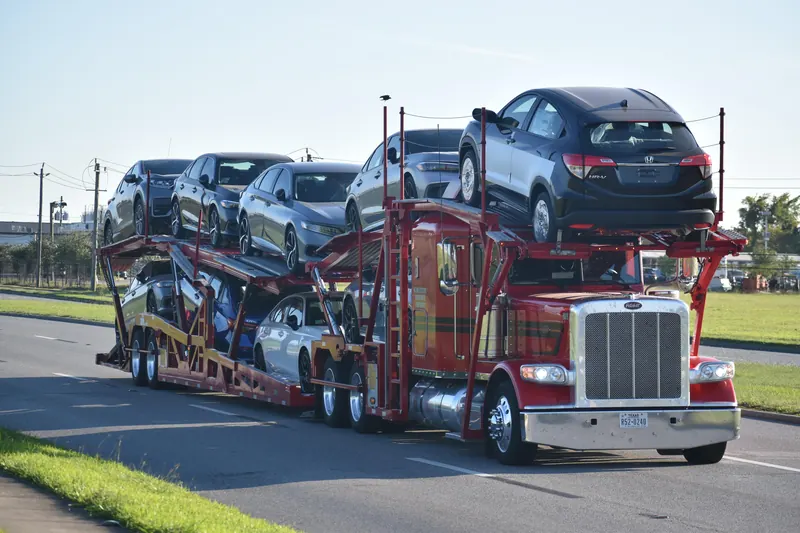
Open Carrier Transport
Our most popular and affordable way to ship — your vehicle travels on a professional open auto carrier.
Learn more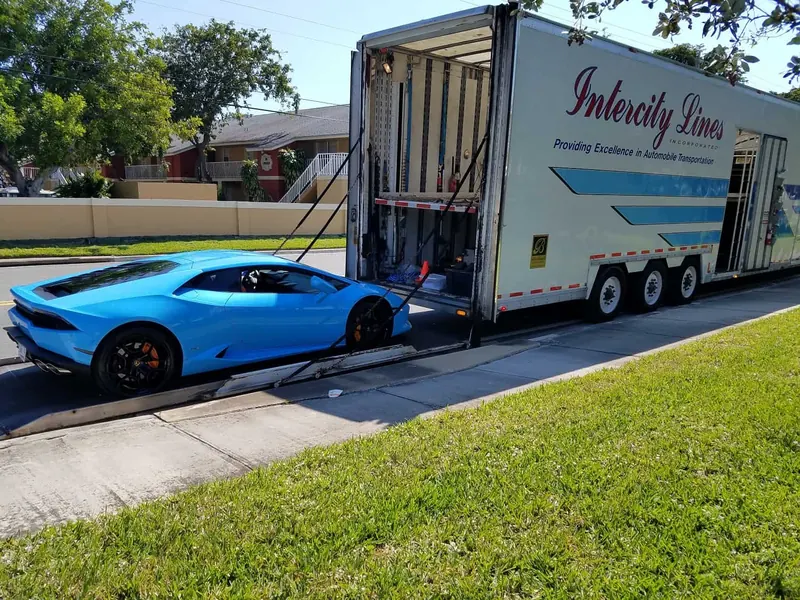
Enclosed Auto Transport
Fully covered protection from weather and road debris — ideal for luxury, exotic and classic cars.
Learn more
Door-to-Door Service
We pick up and deliver as close to your address as safely possible, on both ends of the move.
Learn more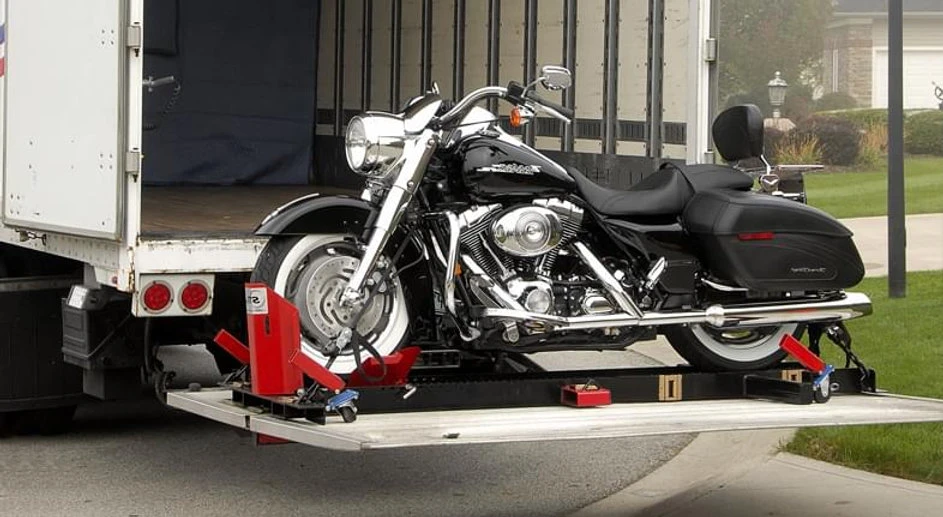
Motorcycle Shipping
Specialized crating, soft-strapping and secure handling for bikes of every make and model.
Learn more
Heavy Equipment Hauling
Flatbed and lowboy transport for construction machinery, tractors and oversized loads.
Learn more
Luxury & Exotic Transport
White-glove, climate-controlled enclosed shipping with extra care for high-value vehicles.
Learn morePopular Texas shipping routes
We run these lanes constantly, which often means better pricing and faster pickups. Browse a route for transit times and details.
We also ship to neighboring states
Texas auto transport — frequently asked questions
Ship your car to or from Texas
Get a free, all-inclusive Texas auto transport quote in minutes.