
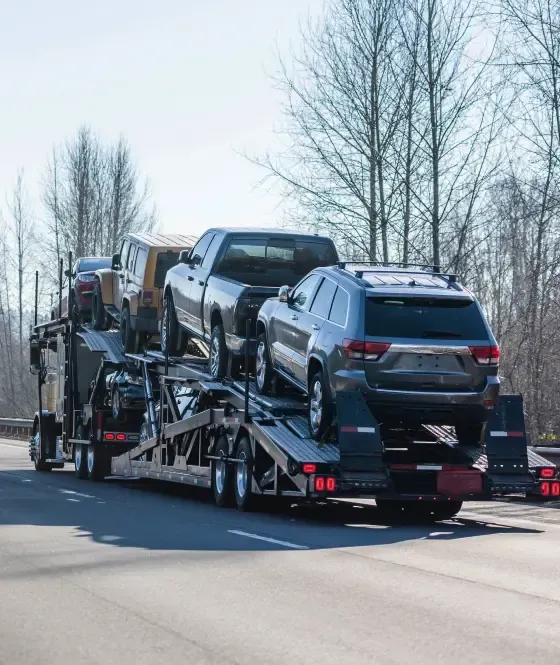
The avoidable missteps that trip up first-time shippers, and the simple habits that keep your shipment smooth.
Mistake 1: chasing the lowest quote
The most common mistake is booking the lowest number without asking why it is the lowest. Auto transport is a bidding market: a broker sets a price, and a carrier decides whether that price is worth a slot on the deck. Quote below what carriers on your lane actually accept and nothing illegal happens, nothing happens at all. The vehicle simply sits unassigned while better-paying loads move.
The cost of that is measured in weeks, not dollars. Aim for a fair market price rather than the lowest bid, and ask what happens if the vehicle does not get picked up in the quoted window. For what real shipments cost, see our car shipping cost guide, which publishes figures from our own dispatch records rather than an industry average.
One practical check: Neptune takes no deposit before a driver is actually booked. If you are asked to pay in full up front to hold a low rate, ask what that money is holding.
Mistake 2: skipping the inspection
Never rush the condition inspection at pickup or at delivery. Walk the vehicle with the driver, make sure every existing mark is written onto the Bill of Lading, and photograph the car yourself in good light before it goes on the truck.
This matters because the Bill of Lading is the document a claim rests on. Your vehicle travels under the assigned carrier's cargo insurance, and if anything needs resolving, the signed condition report at both ends is the evidence. Inspect again at delivery, in daylight if you can, and note anything new before you sign. Neptune can supply the Bill of Lading, the dispatch sheet and the contract to support a claim, but none of that substitutes for two minutes with the driver.
Mistake 3: leaving valuables or a full tank in the car
Carriers move vehicles, not household goods, and they are not licensed or insured to haul your belongings. Anything left inside is outside the carrier's cargo coverage, and a loaded trunk adds weight the driver has to account for across the whole load.
Leave the tank at about a quarter. That is enough to drive on and off the trailer with room to spare, without carrying several hundred pounds of fuel across the country. Take the registration, the garage remote, the toll transponder and anything you would be unhappy to lose.
Mistake 4: forgetting toll tags and alarms
Two small things cause a disproportionate number of problems. A toll transponder left on the windscreen bills you every gantry the truck passes, and a car carrier crosses a great many of them. Remove it or bag it properly.
An aftermarket alarm is worse. A sensitive alarm triggered by road vibration will drain the battery somewhere in the middle of the run, and a vehicle that will not start is a vehicle that cannot be driven off the deck at delivery. Disable the alarm, or tell us about it at booking so the driver knows what to expect.
Mistake 5: not disclosing a non-running or modified vehicle
An inoperable vehicle needs a winch and a driver equipped and willing to use one. A lowered car, an oversized lift, a roof rack or a removed bumper all change which trailers can physically take it.
None of that is a problem when we know in advance. All of it is a problem when the driver arrives to find a car that does not match the order, because the load has been planned around the vehicle described. In the worst case the driver cannot take it, the order goes back out for dispatch, and you lose the pickup window. Tell us at booking, including modifications you think are minor.
Mistake 6: booking at the last minute
A standard pickup window runs two to five business days from booking to collection, and that window exists because your vehicle is being fitted into a route a carrier is already running. Book a week or two ahead and you are choosing from the carriers heading your way. Book for tomorrow and you are asking someone to build a trip around you, which costs more and offers fewer options.
Flexibility is worth more than most people realise. A pickup window with two or three days of give in it consistently prices better than a single fixed date, on every lane we run. If your dates genuinely cannot move, ask about expedited service when you book rather than after.
Mistake 7: going unreachable after booking
Drivers coordinate pickup and delivery by phone, often at short notice and sometimes early in the morning. A missed call is not a small thing on a route with eight other vehicles on it: the driver moves to the next stop and yours slides to the end of the sequence.
Keep your phone on and answer unknown numbers while your vehicle is in transit. If you will genuinely be unreachable, nominate someone who can release or receive the car and give us their details at booking. That one step prevents more delivery delays than any other.
Avoid these seven and your shipment should go smoothly. Neptune helps you sidestep all of them, and a specialist walks the whole process with you from quote to delivery.